


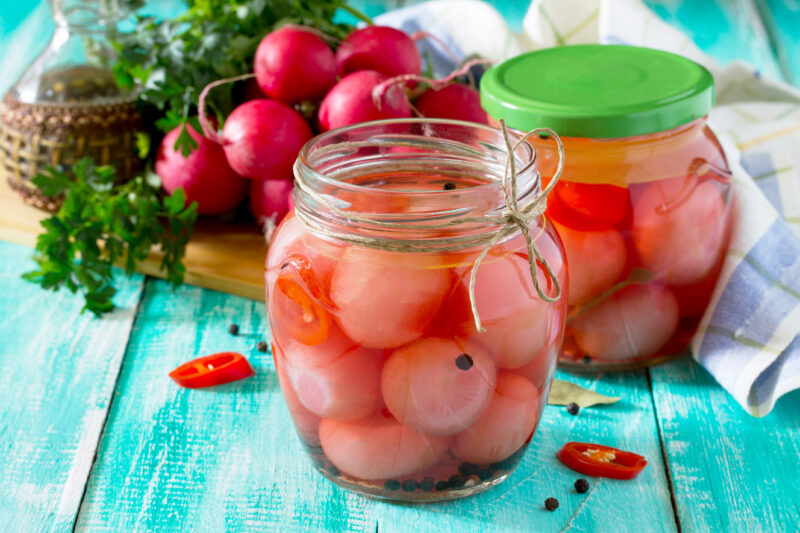
What is Lacto-Fermentation?
Lacto-fermentation is the process that turns cabbage into sauerkraut. It is the secret behind traditional Korean kimchi, as well as classic New York deli cucumber pickles. People have been preserving food through this particular fermentation process for thousands of years. And lacto-fermented foods contain probiotics that have been credited with numerous health benefits to our digestive, cardiovascular, and immune systems.
How does it work?
At its most basic level, lacto-fermentation works because it creates extreme pH environments. Most lacto-fermentation recipes start with a salty (alkaline) brine. During fermentation, the environment shifts and becomes too acidic for any harmful-to-us bacteria to survive. Several salt-tolerant bacteria species within the genus Lactobacillus create the safe food-preserving acidic environment.
These good-guy bacteria exist on the surface of vegetables and fruits. Most fermentation recipes start with covering the ingredients in a salty brine. The salty brine kills off harmful bacteria. But Lactobacillus bacteria are salt tolerant, so they survive.
During the fermentation, the Lactobacillus convert lactose and other sugars in the food into lactic acid. That’s why the process is called lacto-fermentation (not because there’s any dairy involved). The lactic acid creates a low pH (acidic) environment that harmful bacteria cannot survive (and also gives lacto-fermented foods their characteristically tangy taste).
Important Tip: In all of the following recipes it is important to use either filtered or non-chlorinated water because the chlorine added to most tap water can kill off the Lactobacillus the fermentation requires.
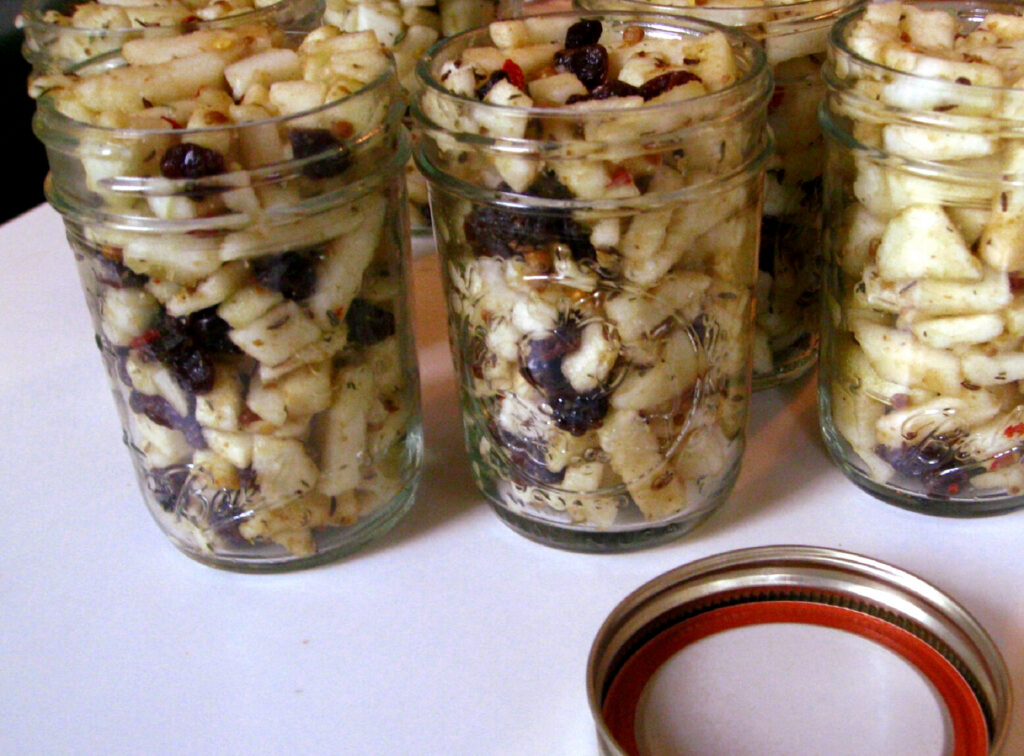
Make this with the firmest apples you can find for a crisp fruit salsa that combines sweet, sour, and salty flavors. It makes a great side dish with curries, but is also terrific served as a salad in combination with lettuce or cucumbers (you won’t need any dressing besides the apple salsa).
Scroll to continue
More Love
MORE: DIY Freezer Jam
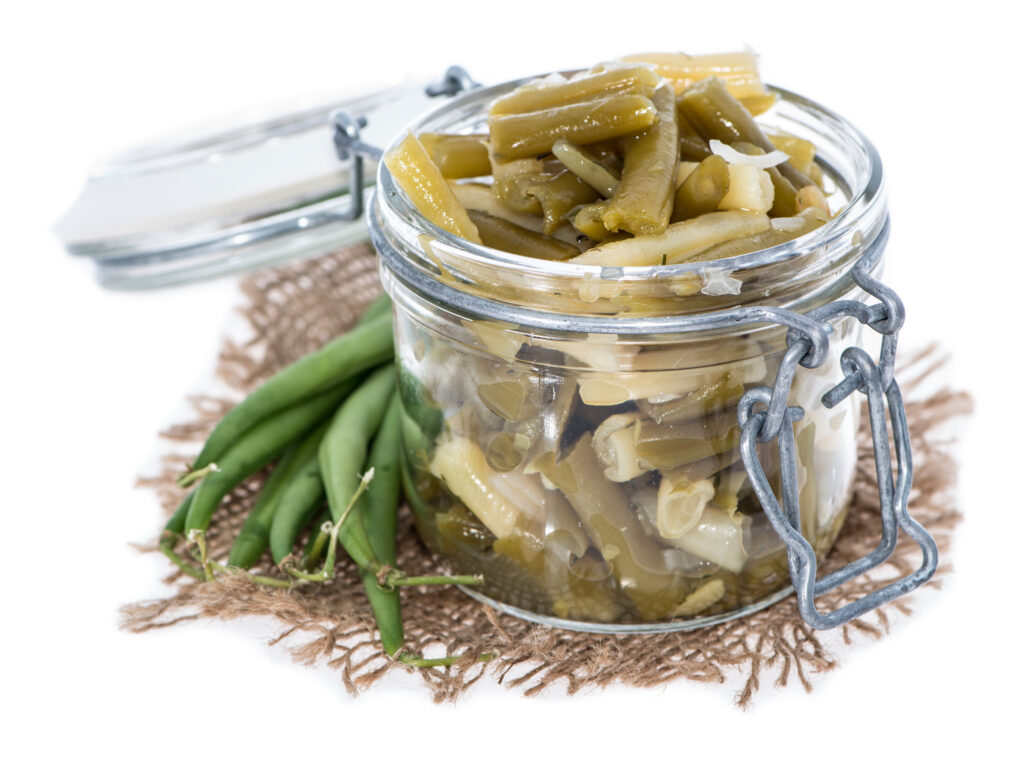
Green beans are one of the most popular vegetables for fermenting. Perhaps it’s because of the light flavor they retain even after months in the crock or jar. Their flavor remains so mild that although you can serve them as a pickle, they are also suitable for use as a vegetable side dish.
MORE: 7 Herb Hacks And Recipes
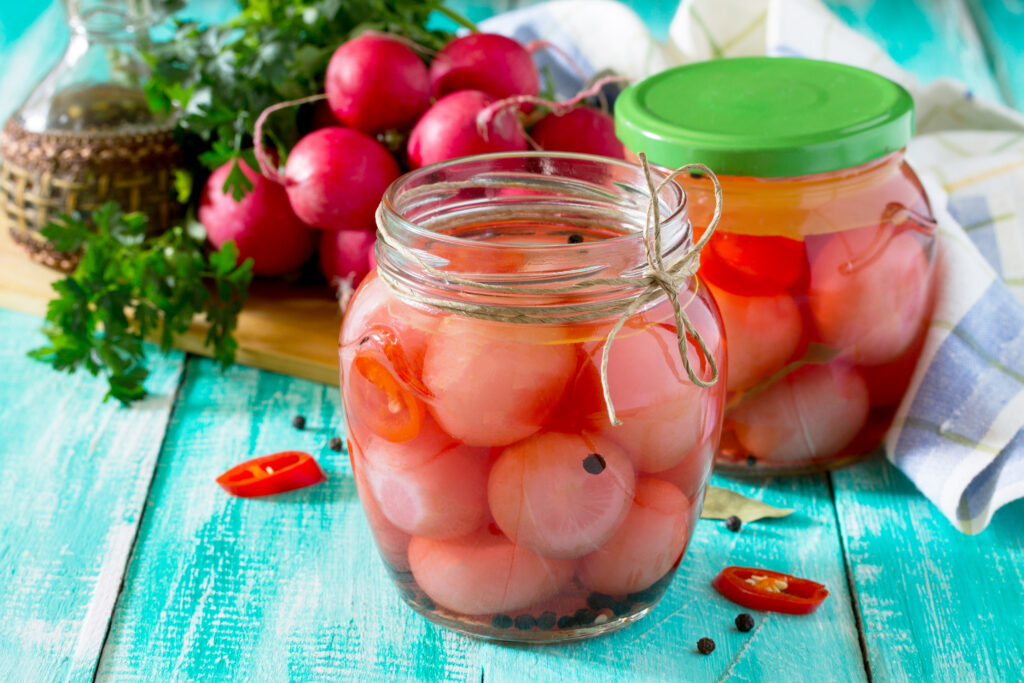
Kimchi is the pungent fermented condiment that is ubiquitous in Korean cuisine. Many ingredients find their way into the traditional Korean kimchi pot, from fiery chile peppers to raw fish (yes, you read that last ingredient correctly). Recipes vary from family to family.
What is consistent is that kimchi is fermented in very much the same way as sauerkraut, and like sauerkraut is made mostly out of cabbage but with the addition of a few radishes and lots of seasonings.
In this recipe I’ve reversed the usual ratio of cabbage to radishes for a crunchier kimchi. I also suggest that instead of the traditional white daikon radish you use red-skinned cherry belles or pink-fleshed watermelon radishes for a more colorful result.
MORE: DIY Make Your Own Seaweed Snacks
Want stories like this delivered right to your inbox? Sign up now for our *free* JOY of KOSHER Newsletter.








Leave a Reply