


Whether you’re a backyard novice or a seasoned pitmaster, mastering the grill is about two things: temperature controland patience. We sat down with Chef Avi Levy to break down everything you need for a legendary summer BBQ.
1. The Great Debate: Gas vs. Charcoal
Charcoal/Wood: Provides the best flavor. Pro Tip: Never use lighter fluid; it ruins the taste. Use a chimney starter with newspaper to get your coals glowing red with a thin layer of white ash.
Gas: Quick, convenient, and easy to control. Use a “smoker box” with hardwood chunks to mimic that authentic smoky flavor.
2. The Golden Rules of Heat
- Create Two Zones: Always have a hot side (for searing) and a cool side (for indirect cooking). This prevents burning and allows thick cuts to cook through without charring.
- Season the Grates: Rub a halved onion dipped in vegetable oil across hot grates. It’s an old Israeli trick that creates a natural non-stick surface.
- No Bonfires: You want glowing coals, not dancing flames. Flames “carbonize” (burn) the meat rather than cooking it.
3. Mastering the Bird: BBQ Chicken
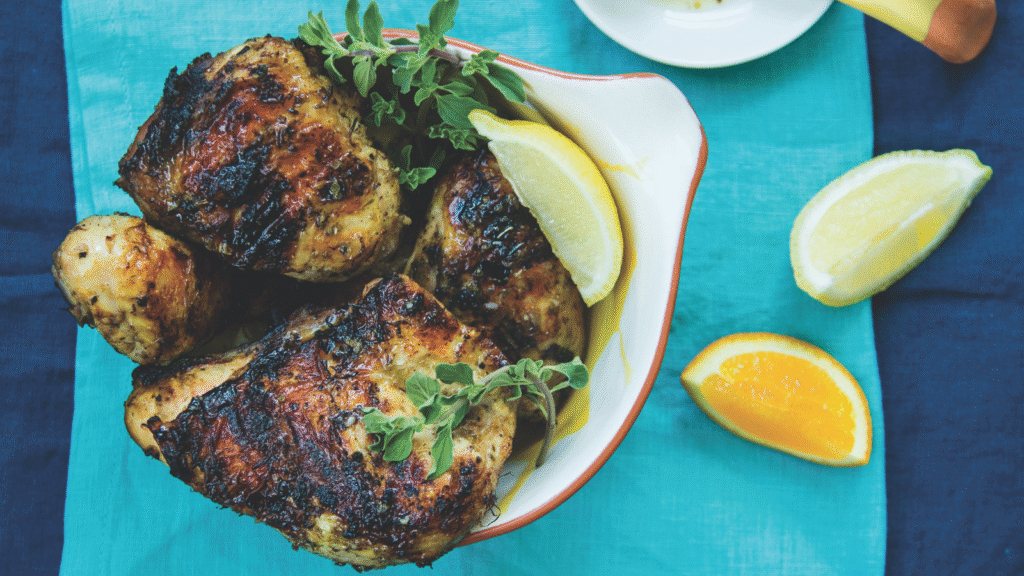
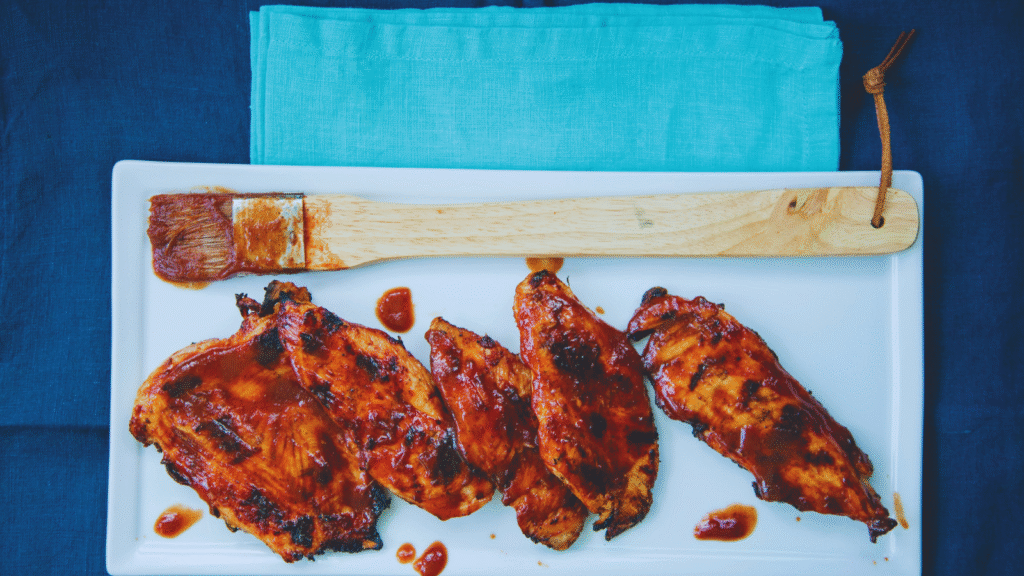
Chicken is notoriously easy to mess up on the grill. Avoid the “burnt outside, raw inside” trap with these tips:
Control Flare-ups: If fat drips and causes a fire, move the meat to the cool side. Don’t douse it with water; it spreads grease and kicks up ash.
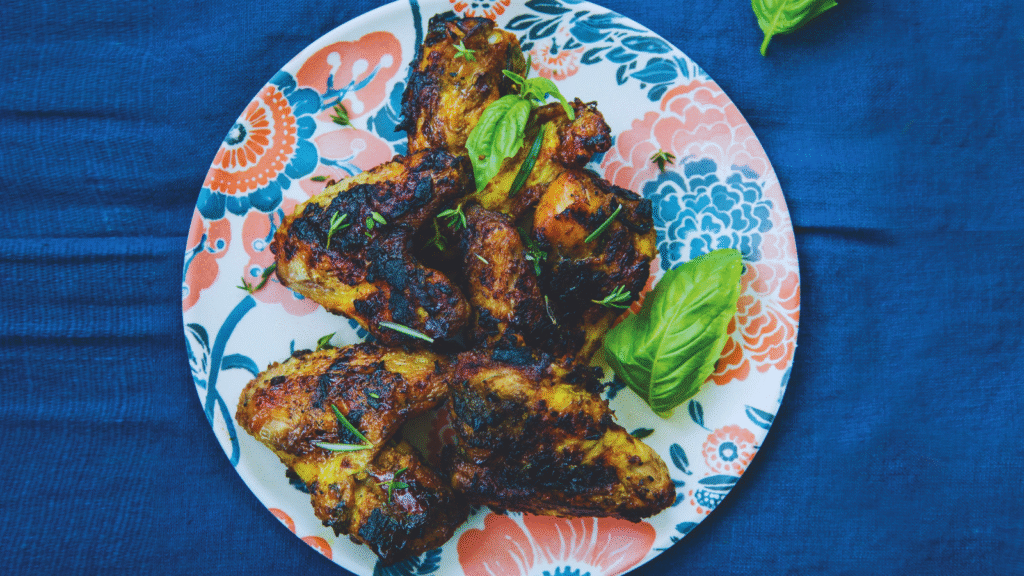
Stagger Your Timing: Put larger pieces (breasts/thighs) on first, followed by legs and wings.
The Magic Number: Use an instant-read thermometer. Poultry is safe and juicy at 165°F.
Scroll to continue
More Love
Try these recipes:
4. Steak Perfection: The “Reverse Sear”
For thick cuts like Rib Eye or London Broil, the traditional “sear first” method can be finicky. Instead, try the Reverse Sear:
- Low & Slow: Cook the steak in a low oven (or on the cool side of the grill) until it’s nearly at your desired temperature.
- The Finish: Move it to the screaming-hot side for 1–2 minutes to get a perfect, thin crust.
- The Rest: Always let steak rest for 15 minutes before slicing. This allows the juices to redistribute so they don’t end up on the cutting board.
5. No Grill? No Problem (Indoor Tips)
If you’re stuck in the kitchen, you can still achieve a “charcoal” result:
The Broiler Trick: Use your oven’s broiler for large cuts like London Broil. Keep it on a low-sided pan to prevent steaming—you want dry heat for that crust.
Cast Iron is King: It retains heat better than any other surface. Get it hot enough to sizzle, sear for 2 minutes per side, then finish the pan in a 350°F oven.
Try these recipes:
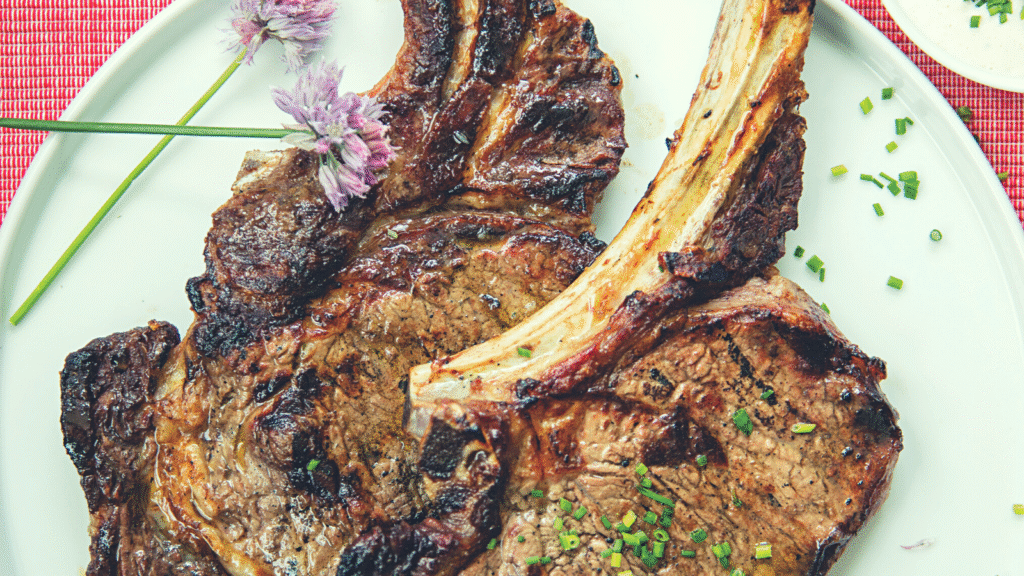
This is an amazing technique for rib eye, strip, filet mignon, or any bone-in steaks. Instead of the more common sear and finish in the oven method try this reverser sear.
Reverse searing is a fool-proof method for cooking the perfect steak. Every time. Guaranteed. When you reverse sear, the steak is started in the oven, cooked low and slow, then finished off with a gorgeous sear. What’s so fabulous about the reverse sear is that you get a super-thin layer of charred crust on the outside, and edge to edge throughout you have the perfect desired temperature!
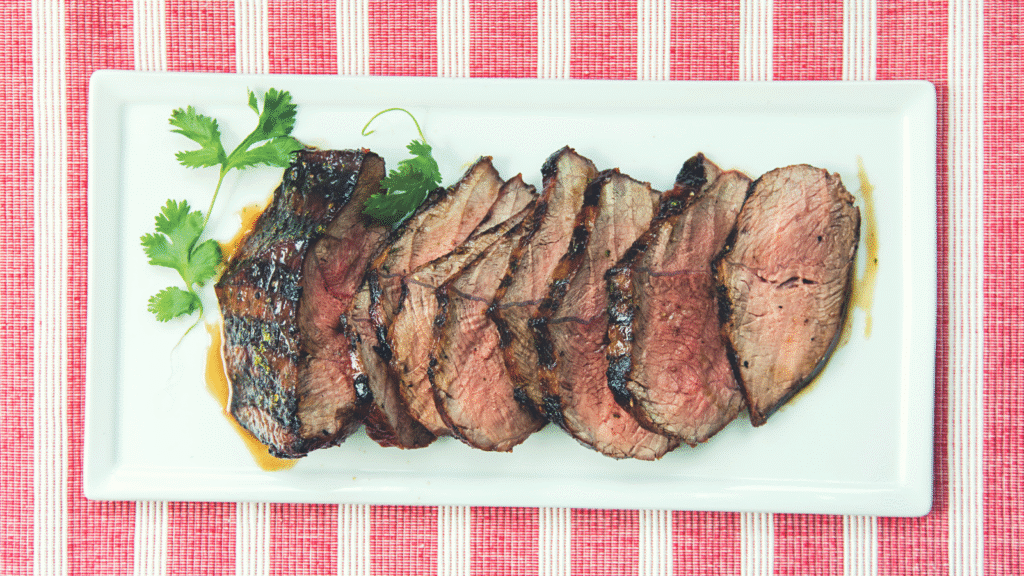
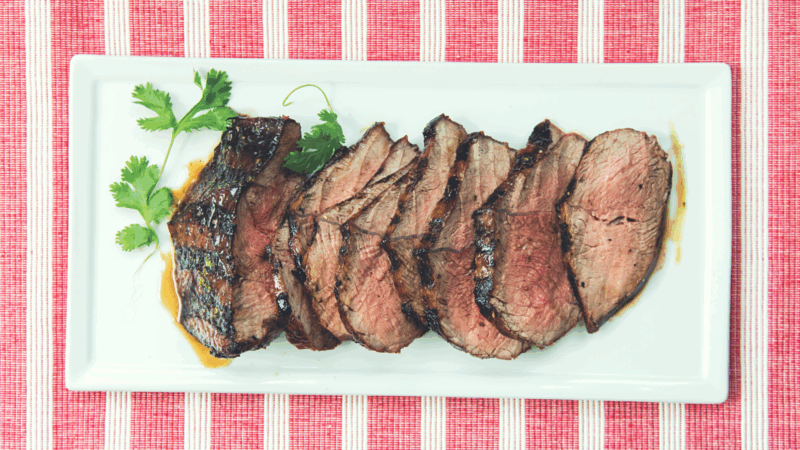
Food enthusiasts will say that London “broil” is not a cut of meat, it’s simply a method of preparation—hence the name “broil.” LB is best grilled, seared, or broiled fast, on high heat. No low and slow on this guy. LB is a tough and lean piece of meat and is best left to marinate overnight, and then broiled under high heat and served by thinly slicing the meat “across the grain.” There are endless options to the kinds of marinades you can use on LB. Typical marinades start out with soy sauce, beer, sugar, or honey, and then combine with vegetable oil and seasonings such as red wine or balsamic vinegar, fruit juice, hot sauce, fresh ginger, and/or any other combination of herbs and spices according to your preference. The acidic ingredients in the base of the recipe soften and tenderize the meat.
Making shallow cuts on each side of the meat helps it cook up just right so the flavors of the marinade really get into the meat.
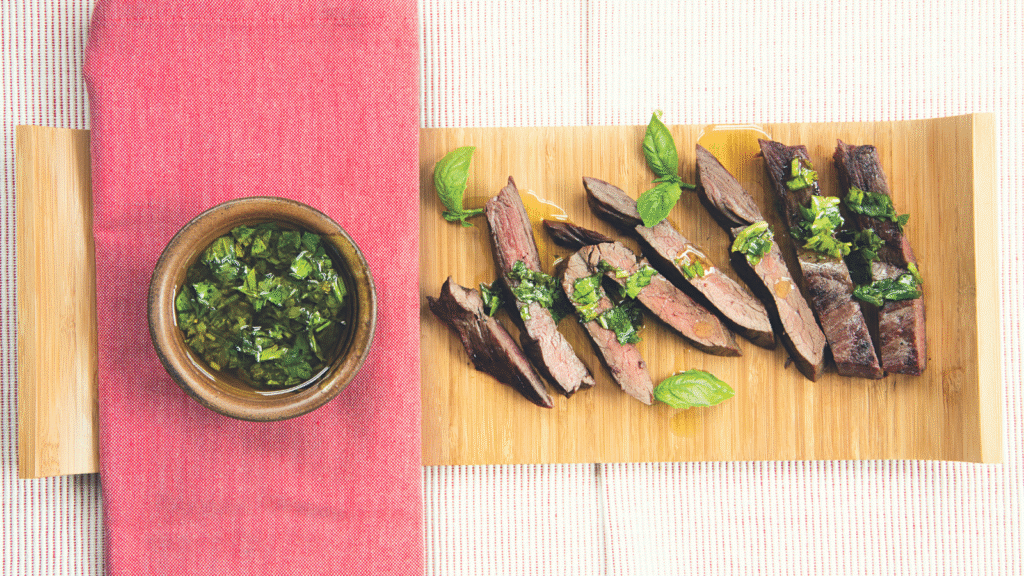
A simple marinade for a simple steak.
Click here for more on Barbecue and Smoking (and why it’s different from grilling)
Chef Avi’s Safety & Prep Checklist
- Open the Lid: Always light a gas grill with the hood open to avoid a fireball.
- Mise en Place: Have your tongs, platters, and spices ready before you start. You don’t want to leave a hot grill unattended to run for a fork.
- Clean Plates Only: Never put cooked meat back on the platter that held raw meat.
- Stay Hydrated: The grill is hot, and the sun is hotter. Drink water between those cold beers!




Leave a Reply