


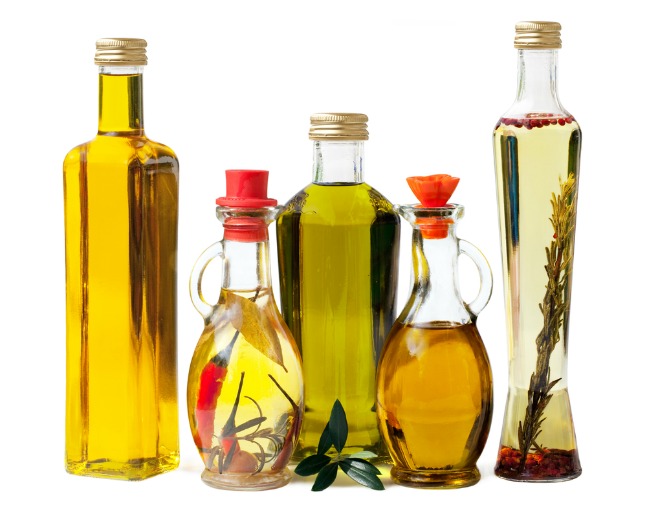
Nowadays, everything from rice bran to coconut oil line grocery store shelves. All of these foods are spouting various health claims. Should you switch? Reading this information will help you decide what is right for you and your family. It’s important to know which oil you can safely incorporate into your family’s food plan. It’s important to educate yourself on all the varieties of oil out there on the market.
RICE BRAN OIL:
This neutral-flavored oil has a fairly even ratio of poly- and monounsaturated and saturated fats, and has been used in some restaurants in place of trans fat-loaded partially hydrogenated oils to fry foods. Rice bran oil contains a higher level of the antioxidant tocotrienol, a form of vitamin E claimed (but not proven) to prevent some cancers and lower cholesterol.
COCONUT OIL
Refined orhydrogenated coconut oil used in processed foods like baked goods, nondairy creamers and movie theater popcorn because of its neutral flavor and relatively long shelf life. Since it’s a whopping 91 percent saturated fat, its best use may be outside the kitchen—as a skin moisturizer!
CANOLA OIL
Also a great source of monounsaturated fats and among the lowest in saturated fat. canola oil is your best choice for a multipurpose oil for frying, sauteing. baking and marinades. Both canola and light olive oils have indistinct flavors, but canola is higher in omega-3 fats, which protect against heart disease and autoimmune diseases.
PEANUT OIL
Scroll to continue
More Love

Hebrew English Meat Guide For Israel
Ever since we shared this Israel Substitution Guide, the one question we get asked all the …

Jamie Geller’s Shabbos Plan
Our entire week revolves around the holy Shabbos. It is the glue that holds the Jewish …
Slightly higher in saturated fat than canola and olive oils, refined peanut oil adds a mild nutty flavor to fried foods and is safe for people with peanut allergies. It’s a good choice for frying because it can stand up to high heat. More intensely flavored roasted peanut oil is best used to add flavor to Southeast Asian dishes or drizzled over grilled fish and vegetables.
SESAME OIL
Traditionally used in Asian and Indian cuisines, sesame oils are low in saturated fat. Nutty in flavor, light sesame oil is used primarily for stir-frying. Dark sesame oil has a rich, bold taste so it’s used in smaller quantities to add classic Chinese take-out flavor to your dishes.
OLIVE OIL
Rich in cholesterol-lowering monounsaturated fats, extra virgin olive oil is fruity and tangy—save it for drizzling over soups, pastas, salads and toasted bread. “Light” olive is lighter in flavor and color (not in calories or fat); “‘pure” is typically a blend of refined olive’ oil and virgin.. Use these milder versions for grilling, roasting and sauteing.
VEGETABLE OIL
Usually a blend of corn, soybean and/or sunflower oils, this neutral-flavored oil is a rich source of polyunsaturated fats. A good multitasker in the kitchen, vegetable oil is a decent backup choice to omega-3-rich canola oil.
FAT FACT: Limit your daily fat intake to about 400 calories—a little more than three tablespoons of cooking oil.
I stopped using mayonnaise awhile ago as an ingredient in my fish recipes. I substituted extra virgin olive oil with delicious results! Try this yummy Flax-Breaded Flounder recipe and see for yourself!






Leave a Reply