


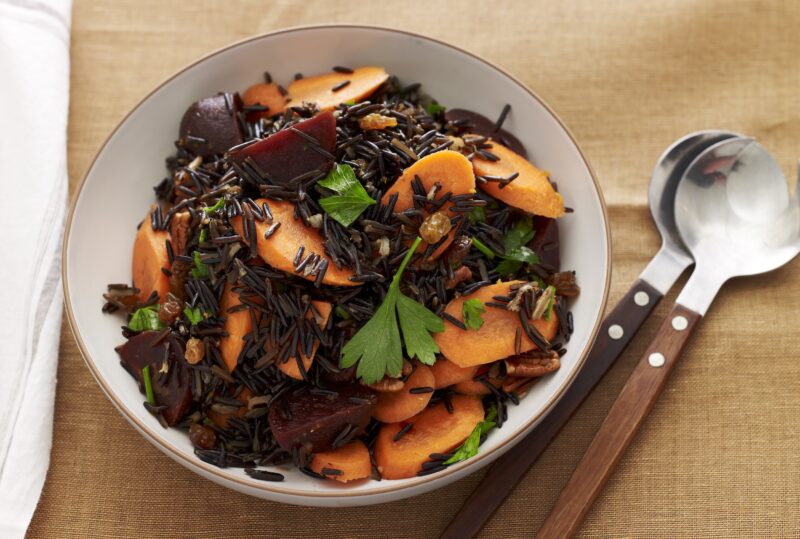
Although called rice, wild rice isn’t rice at all. The black strands are actually a seed of a type of marsh grass. The plant grows in shallow lakes and slow moving streams. Wild rice is native to America and China and is a staple of Ojibwa Native Americans. Wild rice is endangered in many areas due to loss of habitat and it varies a lot in quality. The term wild does not accurately describe the growing environment and much of the rice we buy is cultivated and mechanically harvested. True wild rice is river grown and hand harvested.
The perennial plants produce delicious and fragrant seeds each year. The seeds are very fragile and are susceptible to shattering which drives the price of the seeds up, that is why true wild rice is expensive, full flavored and elegant, but worth out. Seek out a sustainable true wild rice that is hand harvested and you will be rewarded with a delicious and nutritious side dish.
Wild rice is hearty and takes about an hour to cook, it has a slightly chewy texture and a nutty flavor. Often used as a mix in with other rice or grains, it is surprisingly good on its own.
Wild rice is a healthful alternative to regular rice and other grains. 1 cup of cooked wild rice has 165 calories, 6.5 g protein, 3 g fiber and good amounts of iron and copper. It is high in B vitamins as well as potassium and phosphorous — it is even considered a complete protein. It actually wins out over brown rice which in 1 cup has 216 calories, the same 3 grams of fiber and only 4 grams of protein.
The chewy texture provides versatility to use this grain in everything from salads, to side dishes and soups. It is also a helpful weight loss tool. Cook up a big batch of wild rice on Sunday and turn it into a new dish every night of the week that will be filling and nutritious.
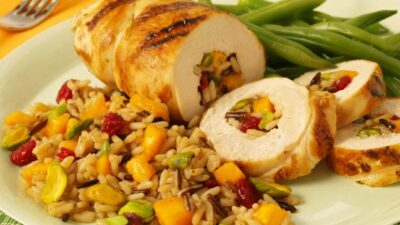
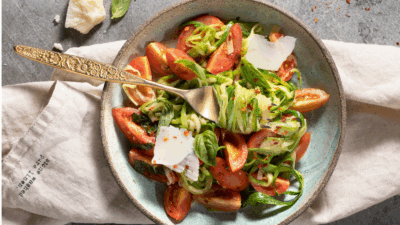
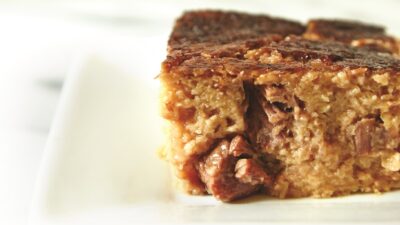
Here are a few of my favorite wild rice recipes:

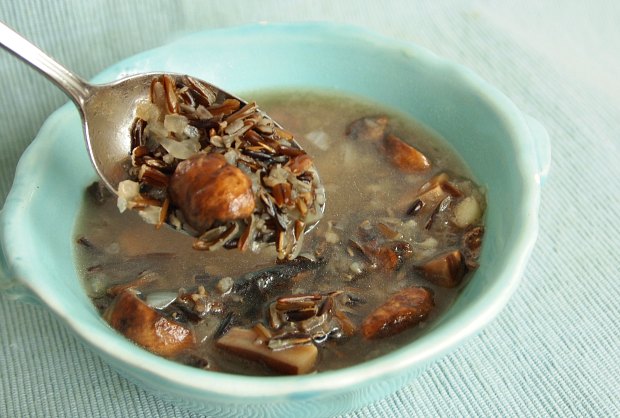
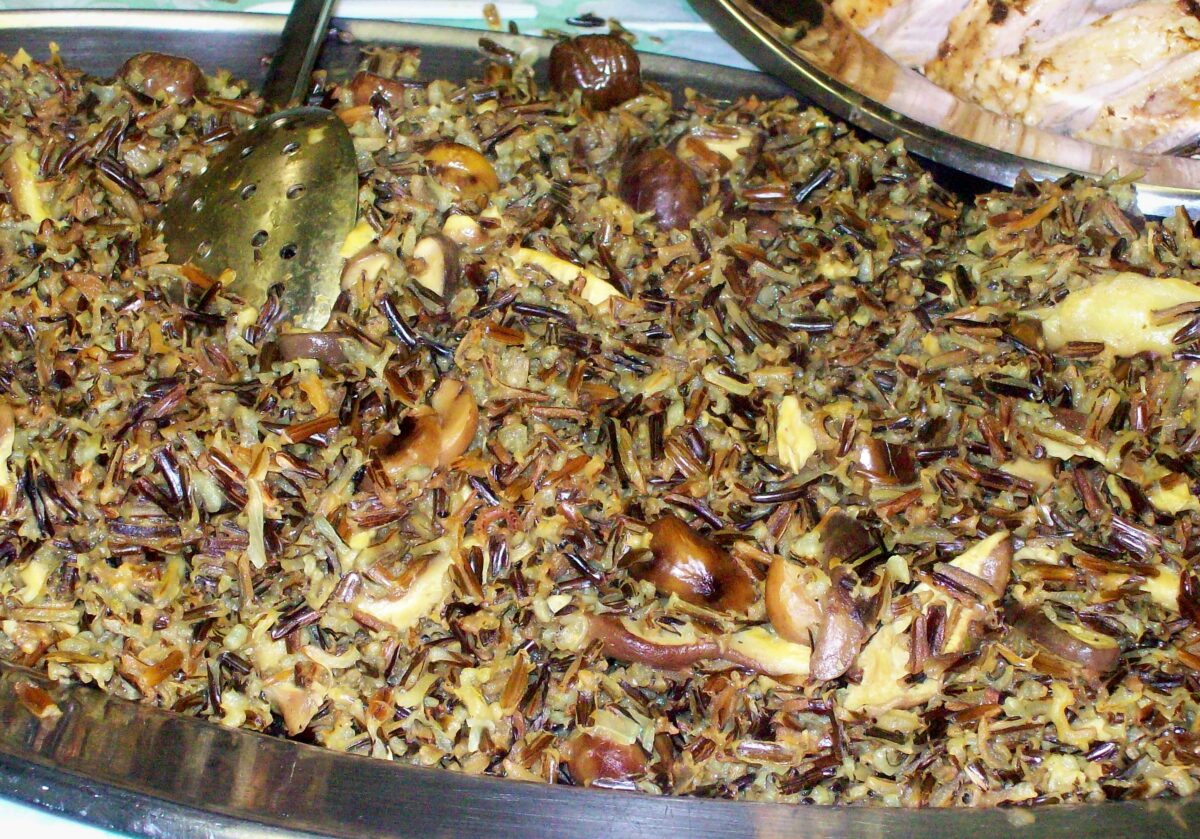
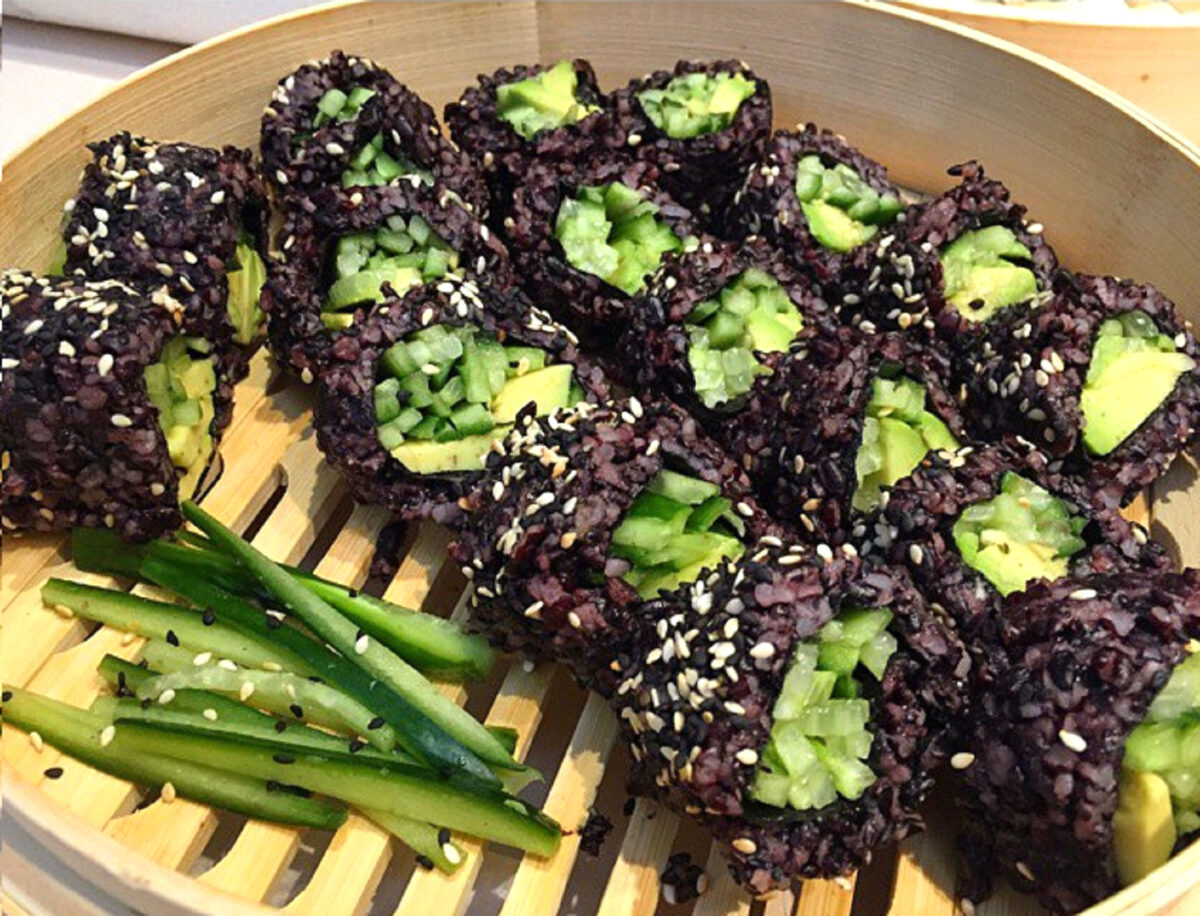
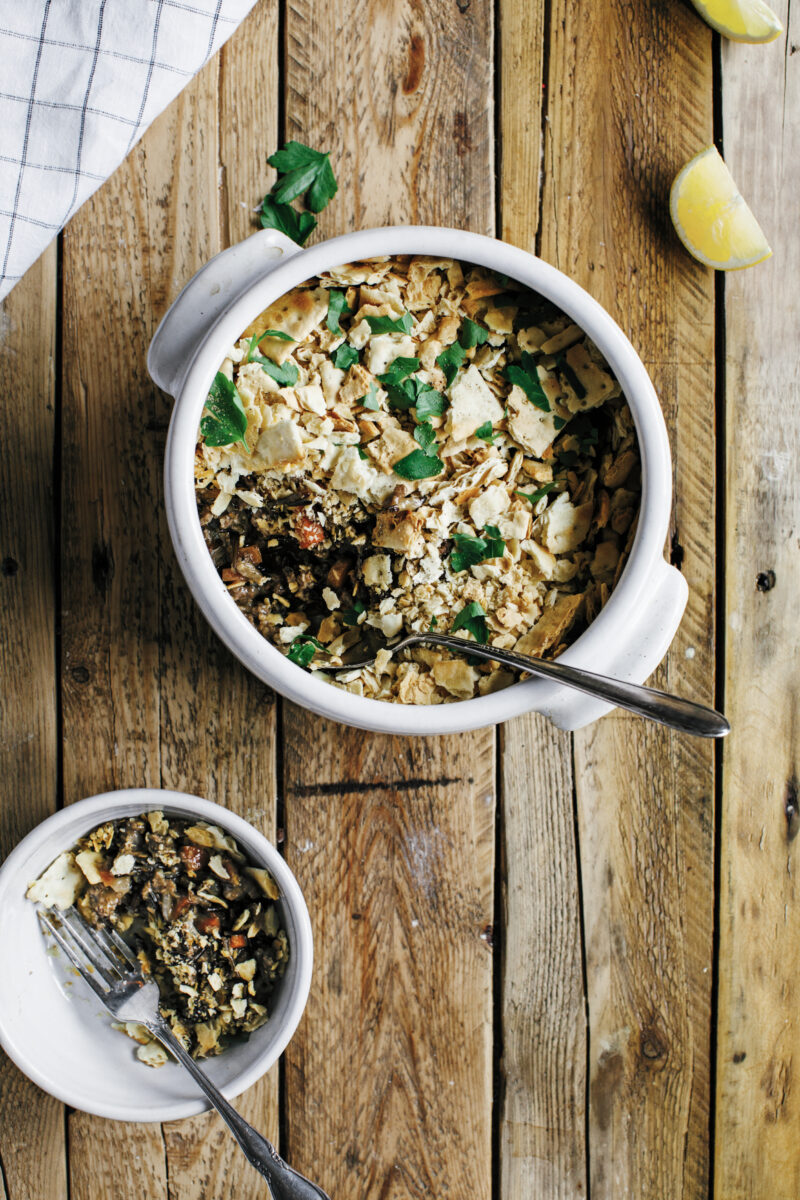
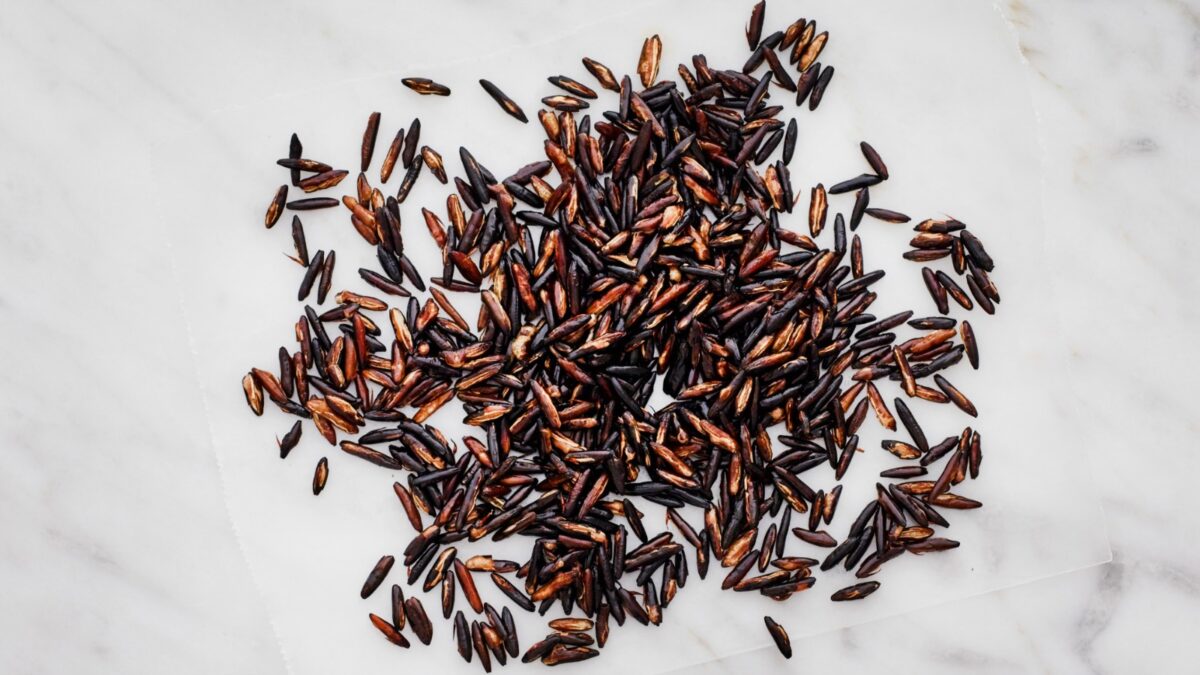
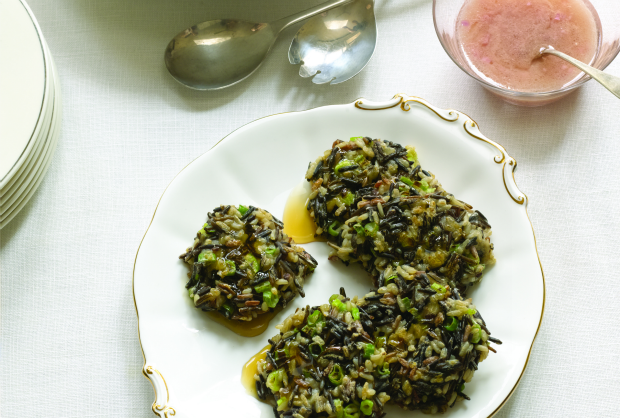
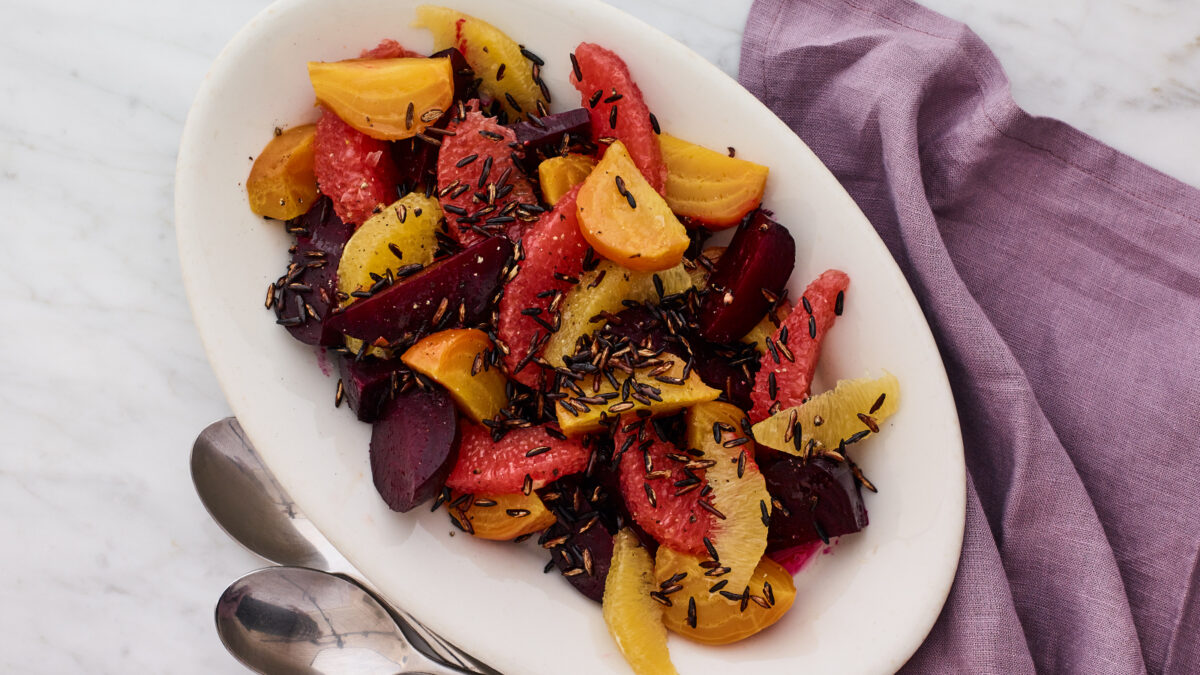
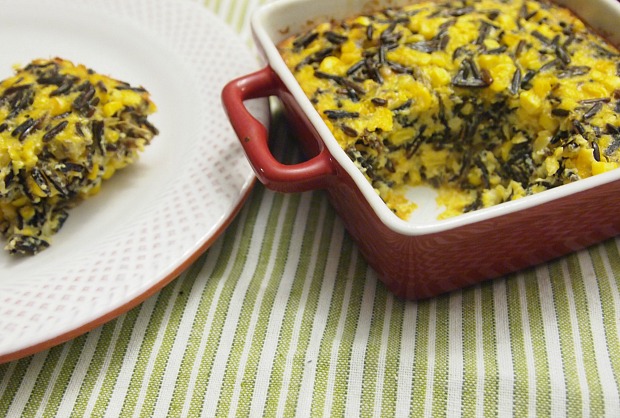
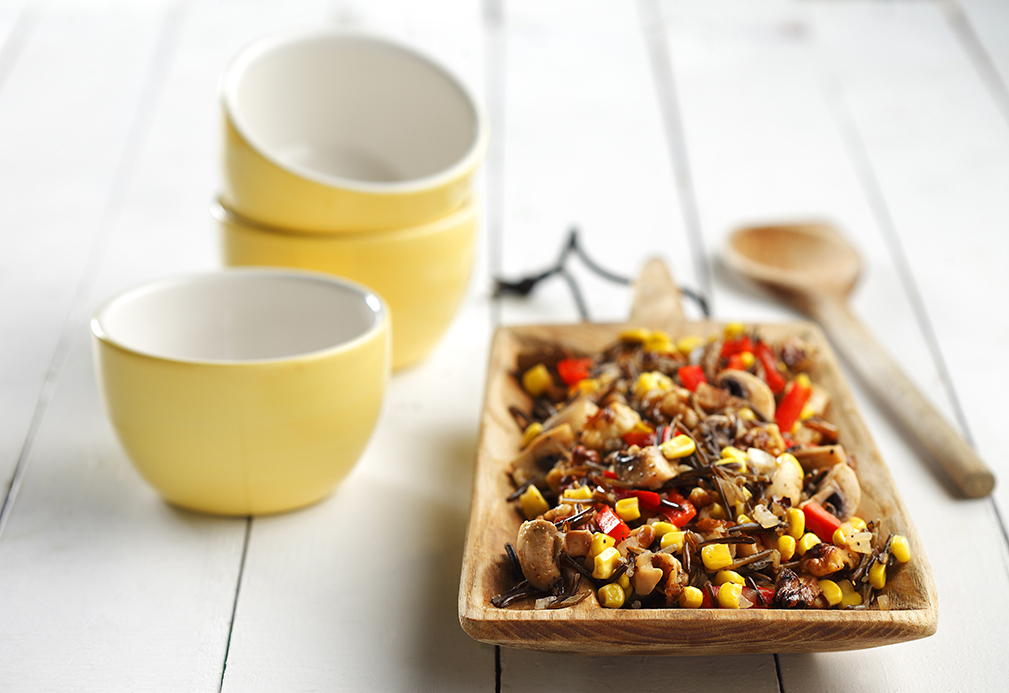
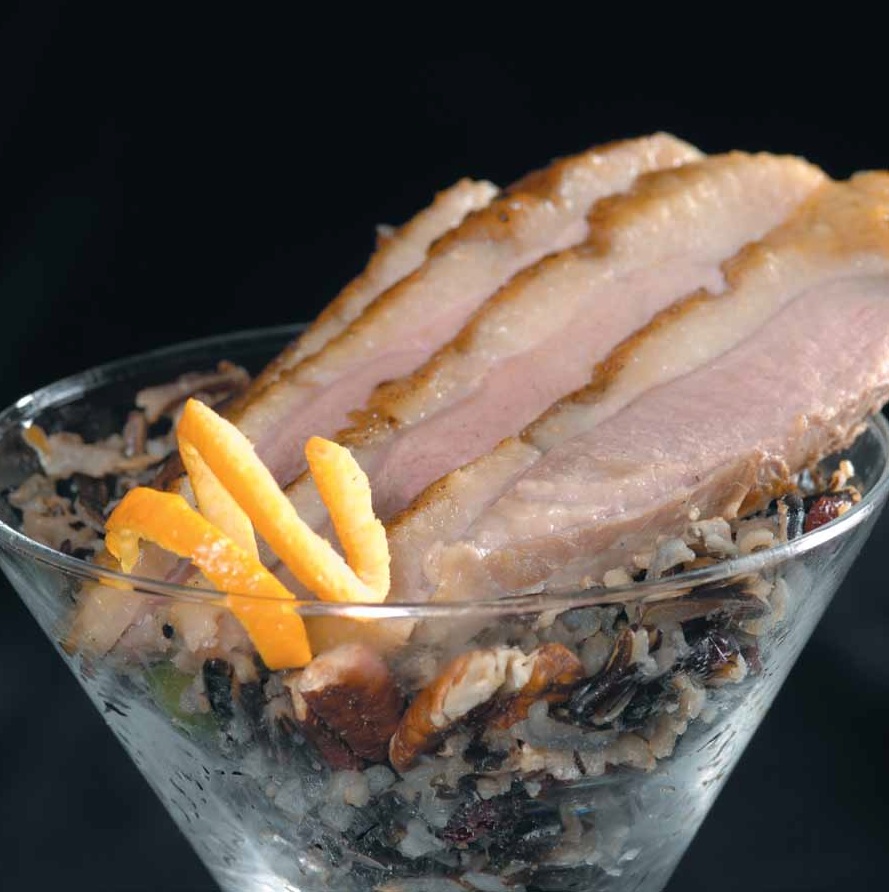
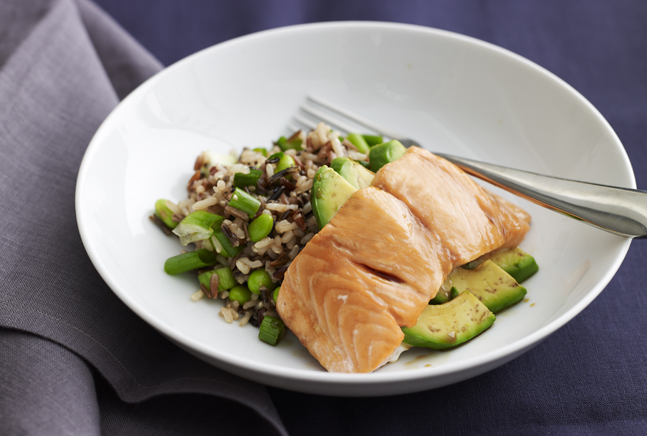
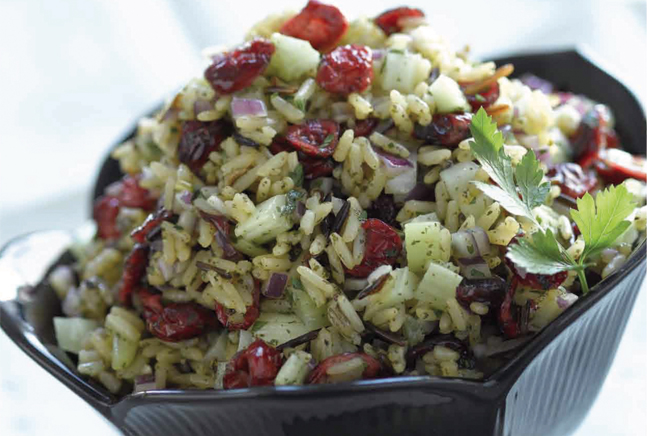
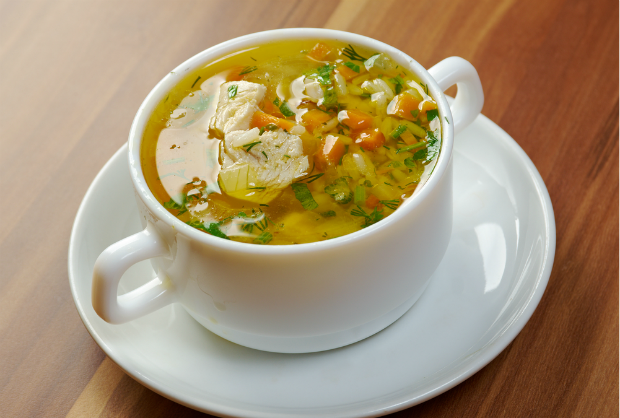
Popped Wild Rice is a fun garnish for soup and salads. (Most grains will pop when heated in hot oil.) Wild rice has a nutty flavor that pairs well with mushrooms, root vegetables and assertive salad greens such as arugula, spinach and water cress.
Scroll to continue
More Love
30 Stuffed Foods for Sukkot
In terms of the sheer number of holidays (not talking about the amount of work…nissan has …
Sukkot Dinner Menus
Sukkot is when we go glamping in our own backyards. We build flimsy huts, we decorate …
Have you cooked with wild rice? Let me know in the comments and let me know if you try some of these recipes:





Quinoa is dicey each year and I hold my breath as the holiday approaches. Now I can add wild rice to the anxiety.
Shouldn’t amaranth be on the list as OK items as well?
Someone weigh in here.
The OU will be giving a hechsher for wild rice for Pesah.
That’s wonderful news! Thanks for sharing.
I read about quinoa, but wild rice too? What else?
That is good news indeed. Save these recipes and enjoy a whole new spectrum of dishes for the chag.
Oops! I read about quinoa with a hechsher but only “heard” about the wild rice. Can’t verify that, but it should be an easy matter. Maybe we should suggest to the OU to look into the matter.
Oh, I don’t see anything about it online. I will try and find out.
Didn’t happen this year. I contacted the OU and was told that that it is still kitniot.
there is always hope for next year!
in the meantime, Wild rice does have a season and is coming up soon.
be sure to buy TRUE wild rice for elegant long grains and nutty flavor. Avoid the mechanically harvested stuff.
be well and eat well!
I love wild rice and don’t eat it often enough. I once asked a rabbi why, if it is a grass and not a grain, why we couldn’t eat it on Passover. Couldn’t give me an answer.