


Reheating foods on Shabbat is a complicated and intricate area of Jewish Law. Here are some basics but please note that there are many more details to cover. Consider this a primer or akin to the first part of a 10 part course. Of course, you should always consult your own local rabbi if you have further questions or need more clarification.
According to the laws of Shabbat, Ein Bishul Achar Bishul, which means once something is cooked, it is impossible to cook that food again, therefore, according to this, once a food is thoroughly cooked, it may be reheated an an existing flame on Shabbat.
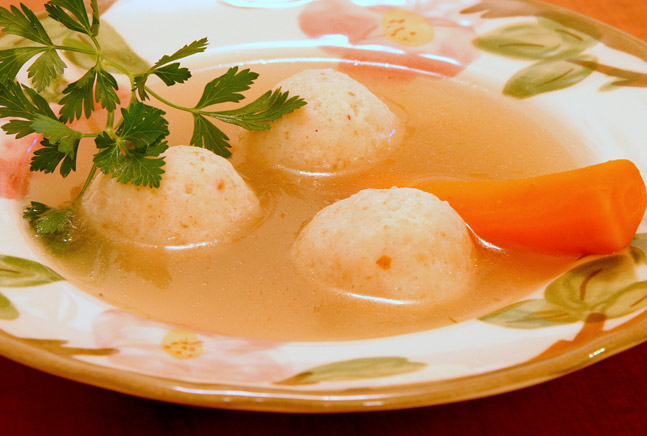
As with most areas of Jewish law, there are exceptions to this rule. A distinction is made between liquids (including solid foods in liquid) and solid foods that are dry. A liquid that is cold, soup in the fridge for example, is not permitted to be reheated on Shabbat. This is because once a liquid has cooled down, it reverts to its original state of being uncooked, unlike a cooked piece of chicken, which retains its status of being cooked. So a liquid, like soup or a water urn, should be warmed up before Shabbat and then should remain on the fire, or plugged into the wall for Shabbat.
Solid and dry foods, for example peas, or chicken (slight dampness or gel on the chicken is not a problem) may be reheated once they are fully cooked (before Shabbat) on Shabbat. The Rabbis were concerned that warming up cold foods, even the dry and fully cooked ones, would lead to cooking a raw food on Shabbat, which is a full Torah Melacha of Shabbat.
In order to help people remember that this is warming up, and not cooking, food, the Rabbis decreed among other things that the flame be covered with something, as a heker, reminder, of Shabbat. In Talmudic times this used to be ashes sprinkled over the fire, and the coals being dispersed, nowadays we have a “blech” cover or “platta” in Hebrew. This cover has other purposes, such as diffusing heat.
This blech allows us to have food on the fire from before Shabbat, and even allows us to return food that was on the fire to the fire. If however one wishes to take cold food and place that on the fire, e.g cooked chicken from the fridge, the rabbis made another stringency, that you need another item between the blech and the food. For example if you have cold cooked peas in your fridge from before Shabbat, to warm them up, you would need a blech, and another item such as an overturned pot or tray to be put on the blech, and the peas may then be placed on that pot.
Some people are lenient (many Sephardic poskim) and permit a thin sheet of aluminum place over the blech as sufficient for this purpose.
For more intricate details of the law there are some great Shabbat kitchen reference books on the market, in particular The 39 Melochos: An Elucidation of the 39 Melochos from Concept to Practical Application by Rabbi D Ribiat, and any of the books shown here.






Leave a Reply