


While we usually do everything we can to keep bacteria away from our food, properly managed microbes are responsible for an amazing array of foodstuffs. The processing of foods with bacteria or yeasts is called fermentation. While bacteria are better known for their harmful effects, together with yeasts they provide essential services in food processing. Let’s look at some examples of foods that wouldn’t exist without fermentation.
Leavened breads wouldn’t be possible without microbes. The yeast in bread dough uses fermentation to give your dough a lift. Yeasts eat the starchy flour and produce carbon-dioxide bubbles that expand and cause the bread to rise. Tangy sourdough breads are made with a ‘starter,’ where wild yeasts do the same job as store-bought yeast, and flavor-producing bacteria called lactobacilli provide the sour flavor. Alcoholic beverages would not exist without fermentation either. When introduced into a liquid medium, yeasts feed off of sugars to produce alcohol and carbon dioxide. The alcoholic brew can be bottled, as in the case of wines and beers, or distilled to concentrate the alcohol levels and create liquor. Vinegar (from the French word vinaigre – sour wine) is also included in this category. When wine is exposed to oxygen during fermentation, a bacterium known as acetobacter takes over the process and creates vinegar.
Some of the tastiest dairy products wouldn’t exist without bacteria. Yogurt and kefir are ‘cultured,’ which means that specific bacteria are added to thicken milk and add tang. While not all cheese requires fermentation, the best ones rely on fermentation to create their unique flavors and textures. Without bacteria, your Cheddar wouldn’t be sharp, your Swiss wouldn’t have holes and your Brie would be nothing impressive.
MORE: Q & A: Is Cauliflower the New Kale?
Why Fermentation?
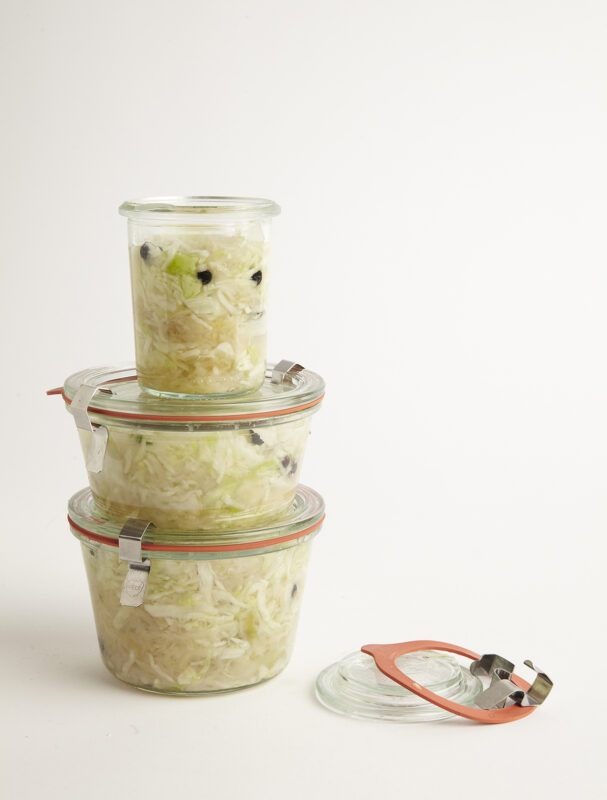
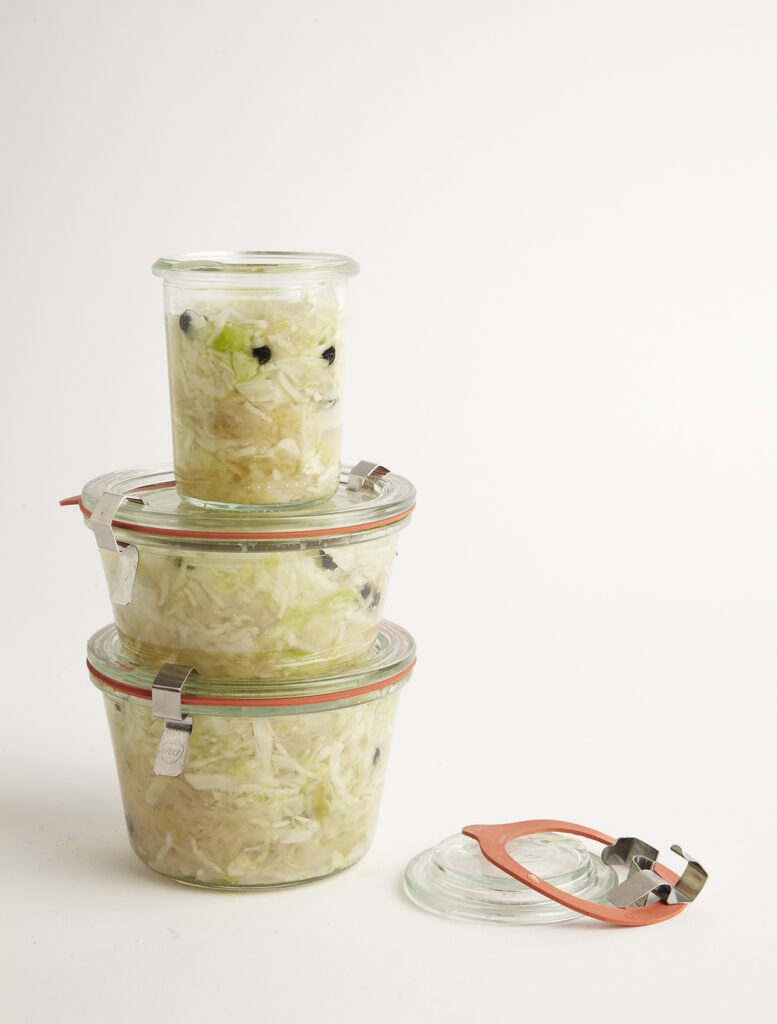
What would a Jewish deli be without the sour pickle? Fermenting of fruits and vegetables is commonly known as pickling. A salt and water solution is used to prevent the growth of undesirable bacteria, while lactobacilli naturally present on the surface of produce transform them into something new. Cucumbers get a new lease on life as pickles. Cabbages can become sauerkraut or fiery Korean kimchi. Pickled vegetables are much more common, but there’s no limit on what produce can be fermented. In the American South, a traditional pickle is made from watermelon rinds!
So how did something that’s essentially a controlled form of spoilage become so important to the human diet? Long before refrigeration was invented, people discovered that fermented products enjoyed a much longer shelf life than their untreated counterparts. A barrel of pickled vegetables in a root cellar could last throughout the winter, when fresh vegetables weren’t available. The vegetables would become increasingly sour as the months passed, but no less edible .Another wonder of fermentation is making foods more palatable. A key step in coffee, vanilla, chocolate and black tea production is fermentation, when the beans or leaves are left in the sun to ferment after being harvested. This fermentation process creates the depths of flavor that we have come to expect in these products.
MORE: You Won’t Throw Away Apples Peels Again After You Read This
What is a scoBY?
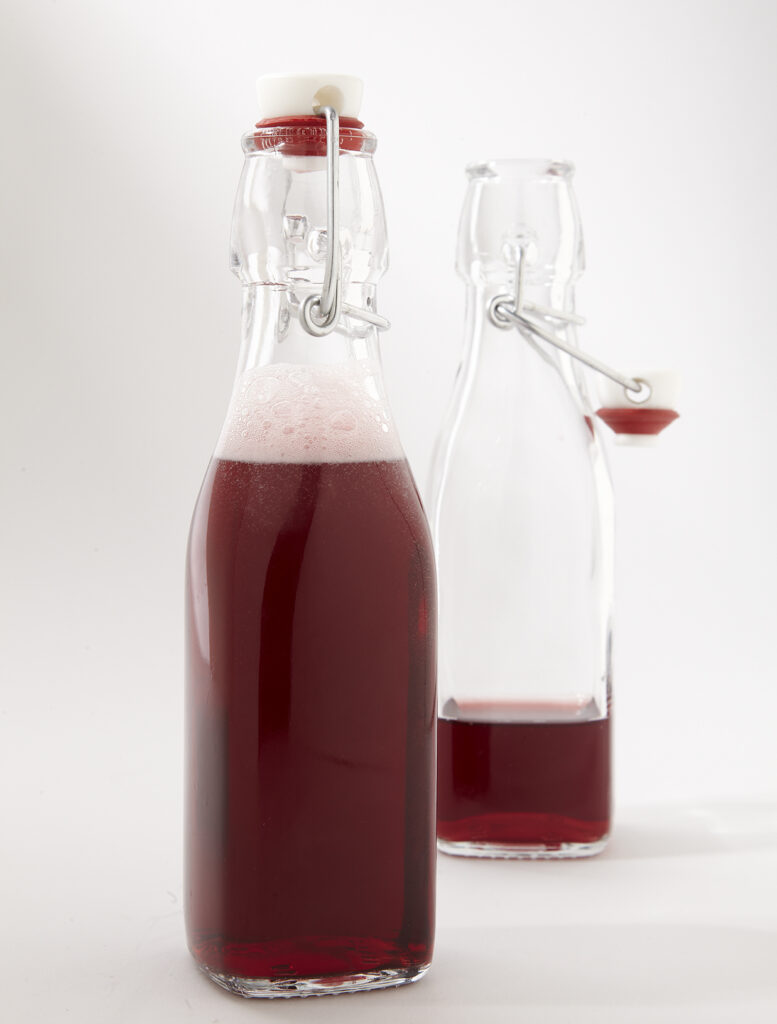
In my research into fermentation, I discovered something amazing called a SCOBY, or Symbiotic Community of Bacteria and Yeast. SCOBYs are a spontaneously developing colony of yeast and bacteria that work together for their mutual benefit. Unlike most microbes, these colonies are large enough to be seen with the naked eye. when added to the appropriate medium, they ferment it, as their colony grows larger. Two examples of SCOBYs are “kefir grains” that turn milk into kefir, and a “kombucha mother” that turns sweetened tea into the Japanese beverage known as kombucha.
Scroll to continue
More Love
Microbes & halacha
At some point in my adventures with fermented foods, I wanted to get involved with foods that needed starter cultures to kick off the process, which led me to ask, do they need a hechsher? I took my question to Rabbi Mordechai Frankel, Director of Star-K’s institute of Halacha. I learned that anything that isn’t part of the animal kingdom is considered kosher. That covers yeasts, bacteria and SCOBYs, but that’s not the only thing we have to consider. The “diet” of the microbe in question must be examined. If a kosher animal (or culture) was raised exclusively on non-kosher foods, then it becomes non-kosher. As most cultures are raised on ingredients that don’t require a hechsher, this is most likely not a problem, but one must investigate prior to purchase and use. Additionally, some cultures are mixed into other ingredients prior to sale. You need to investigate any ingredient you plan to consume before using any culture to ferment. Consult your rabbi for more information.
MORE: What’s Sprouting on Your Countertop?
WaY to go, Bacteria!
Probiotics are “good” bacteria found in foods like yogurt that many people use to counteract the effects of antibiotics which kill both the bad and good bacteria . Probiotics have been shown to help reduce high cholesterol, strengthen and support digestive and immune systems and help the body fi ght off and prevent diseases. Some of the best sources of probiotics are fermented foods like yogurt, kefir and even sauerkraut. Naturally fermented foods are nothing new; it is actually one of the oldest forms of food preservation. in Korea, they make kimchi, in Japan they make miso and kombucha, and many countries make kefir and sourdough bread. While some of these products are available to us, often the manufacturing process restricts the amount of probiotics available. That’s why it is best to try making your own minimally processed, fermented foods.
MORE: Do it Yourself: Pickles and Pickled Veggies
If you’re ready to embark on your own adventures in fermentation, you’re in luck – the process couldn’t be easier. All you need are glass or plastic jars to ferment in.



Leave a Reply