


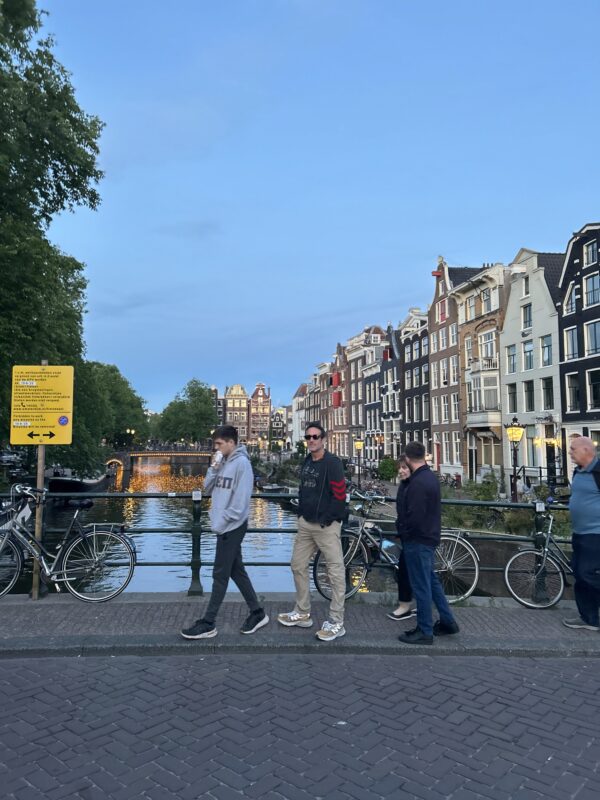
A Journey Through 400 Years of History and Heritage
Amsterdam, with its cobbled streets, elegant canals, and historic neighborhoods, has long been a haven for cultural and religious freedom. For Jewish travelers, the Dutch capital offers a profound and layered experience. Its Jewish history dates back more than 400 years, encompassing a flourishing community life and unimaginable tragedy. Today, Amsterdam is home to a vibrant Jewish community, essential cultural sites, and numerous memorials that honor the legacy of Dutch Jewry.
Whether you’re seeking spiritual connection, historical understanding, or simply want to explore the city through a Jewish lens, this article will help you spend three meaningful nights in Amsterdam.
Day 1: Arrival and Jewish Heritage Quarter Exploration
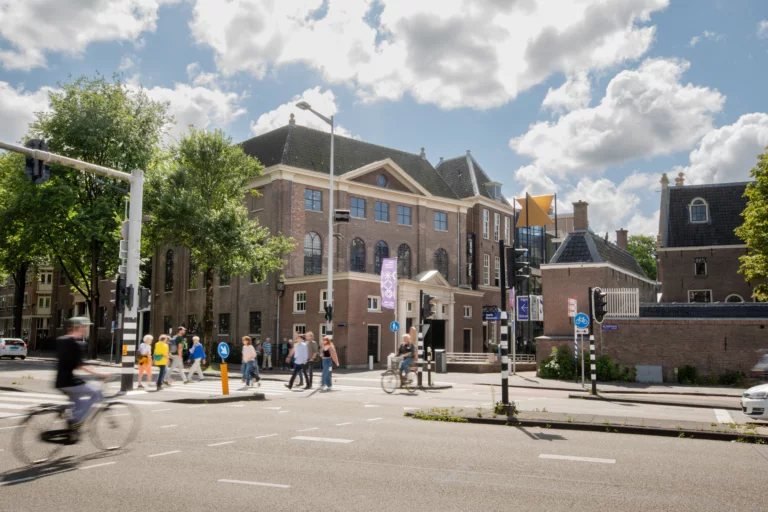
Begin your Amsterdam adventure by checking into a centrally located hotel. Consider staying at Kimpton DeWitt, a boutique hotel centrally located a 3-minute walk from Amsterdam Centraal metro, 3 km from the Rijksmuseum, and 1 km from the Anne Frank House. Chabad publishes a helpful online list of nearby hotels within walking distance to Chabad of Amsterdam.
Once settled, head to the Jewish Cultural Quarter in the Plantage neighborhood. This area contains a concentration of important Jewish heritage sites, all within walking distance of each other. Purchase a combination ticket for the Jewish Cultural Quarter, which grants access to several must-see locations:
- Portuguese Synagogue (Esnoga): This magnificent 17th-century synagogue, still in use today, is a testament to the Sephardic Jewish community that found refuge in Amsterdam during the Spanish Inquisition. The interior remains largely unchanged, lit entirely by candlelight. Don’t miss the underground treasure chambers, which house precious religious artifacts.
- Jewish Historical Museum: Housed in four Ashkenazi synagogues, this museum provides a comprehensive and moving portrayal of Jewish life in the Netherlands. Exhibits range from religious traditions to the secular contributions of Dutch Jews in the arts, sciences, and public life.
- Children’s Museum: A part of the Jewish Historical Museum, this interactive space introduces children (and adults) to Jewish culture through art, music, and storytelling.
After immersing yourself in Jewish history, dine at MeatMe Kosher Restaurant, which offers traditional Middle Eastern and European Jewish dishes. Finish off the evening with a quiet walk along the nearby canals, reflecting on the enduring presence and influence of Jewish life in Amsterdam.
Scroll to continue
More Love

Salatim – 23 Israeli Salads and Spreads You Need To Start Making
Salatim literally means salads, but they don’t refer to the first course salads …

13 Open Faced Sandwiches You Can Pick and Choose
These sandwiches can be assembled in less than 10 minutes and they are perfect for …
Day 2: Anne Frank, WWII History, and Modern Reflections
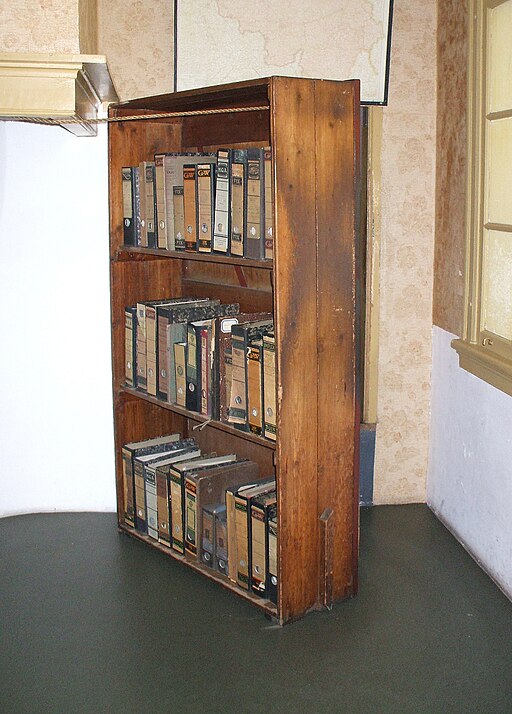
Begin your second day with a visit to one of the most poignant Jewish heritage sites in the world: the Anne Frank House. Located in the Jordaan neighborhood, this is where Anne Frank, her family, and four others hid from the Nazis for over two years.
The preserved Secret Annex and the accompanying museum provide a haunting glimpse into the daily struggles of life in hiding and the devastating consequences of intolerance and hatred. Anne’s words continue to inspire generations with their insight, courage, and humanity.
Tickets to the Anne Frank House are only available online and often sell out weeks in advance. Be sure to book early.
For lunch, consider La Basta – Kosher Street Food a short walk from the Anne Frank House.
After lunch, visit the Westerkerk, where Anne Frank often heard the bells while in hiding. Her diary mentions the sound as a connection to the outside world.
A short walk away, the Dutch Resistance Museum (Verzetsmuseum) offers valuable insight into how Dutch citizens, including Jews and non-Jews, resisted Nazi occupation. The museum includes stories of courage, sabotage, and resilience during WWII, as well as detailed accounts of Jewish resistance.
For dinner, Machane Yehuda offers a wide selection of Israel and Jewish foods in the center of Amsterdam.
Day 3: Community, Cemeteries, and Contemporary Jewish Life
Start the day with a visit to Beth Shalom, a Jewish cultural and community center offering insights into modern Jewish life in Amsterdam. Depending on the time, you may be able to attend a lecture, event, or simply meet with local community members.
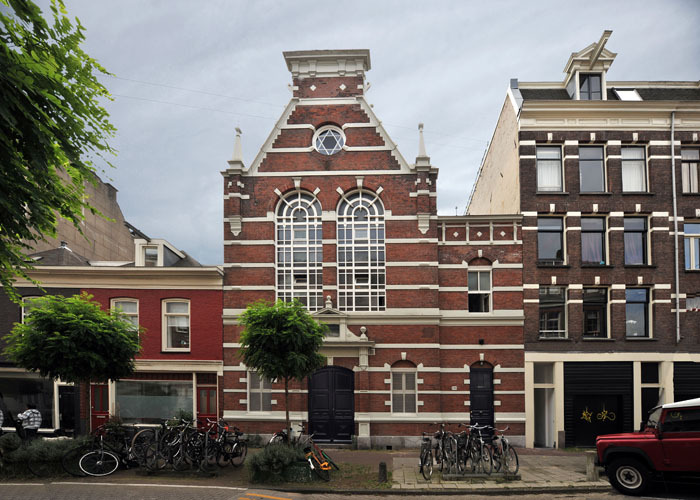
Next, visit the Ashkenazi Synagogue and the Gerard Dou Synagogue in De Pijp, a vibrant neighborhood known for its multicultural vibe and traditional street markets. These synagogues serve the Ashkenazi Orthodox community and reflect the enduring diversity of Jewish practice in the city.
In the afternoon, head back to the Plantage neighborhood to visit the Hollandsche Schouwburg. Once a Jewish theater, it was transformed into a deportation center during the Nazi occupation. Today, it serves as a stark and powerful Holocaust memorial. The names of thousands of Dutch Jewish children who were deported from this site are displayed on a commemorative wall.
Nearby, you can also visit the National Holocaust Memorial of Names, which opened in 2021. Designed by architect Daniel Libeskind, the memorial inscribes the names of over 102,000 murdered Dutch Jews on brick walls, creating a space for solemn remembrance.
In the Museumplein area, consider visiting the Rijksmuseum and Van Gogh Museum, two of Amsterdam’s premier art institutions. The Rijksmuseum offers masterpieces from the Dutch Golden Age, including works by Rembrandt and Vermeer, while the Van Gogh Museum presents a deeply personal and emotional journey through the artist’s life and work. Both museums provide a broader cultural context to the city’s rich artistic legacy and are well worth the visit.
Day 4: Final Reflections
Before leaving Amsterdam, consider a short trip to the Jewish Cemetery of Beth Haim in Ouderkerk aan de Amstel, just 30 minutes from the city center. This is the oldest Jewish cemetery in the Netherlands, dating back to 1614. It is the final resting place of many prominent Sephardi Jews.
The atmosphere is serene and reflective, surrounded by greenery and beautifully carved gravestones with Hebrew, Portuguese, and Dutch inscriptions.
Pick up some souvenirs from The Jewish Historical Museum Shop, including books, Judaica, or locally made gifts.
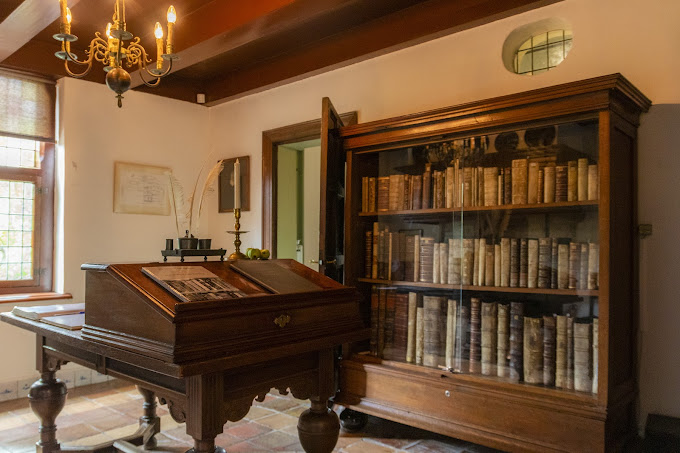
If you have time for a half-day excursion outside the city, the Spinoza House Museum in Rijnsburg is an opportunity to explore the life, provocative ideas, and history of the house where the Dutch philosopher lived from 1661 following his expulsion from the Jewish community.
Practical Tips for Jewish Travelers
- Kosher Food: Amsterdam has several kosher-certified restaurants, bakeries, and grocery stores.
- Shabbat: For observant travelers, local synagogues such as the Portuguese Synagogue and Ashkenazi Orthodox community centers offer Shabbat services. Contact in advance for security and guest arrangements.
- Transportation: Amsterdam’s public transport system (GVB) is efficient. Purchase a multi-day pass for unlimited travel.
- Language: Dutch is the official language, but English is widely spoken.
- Safety and Respect: Security is visible at Jewish institutions. Carry identification and respect protocols when visiting synagogues or community centers.
A Living Memory in a Vibrant City
Three nights in Amsterdam allow you to explore the deep historical roots, the enduring scars, and the thriving revival of Jewish life in the city. From the grandeur of the Portuguese Synagogue to the intimacy of the Anne Frank House, from solemn memorials to lively kosher meals, Amsterdam offers a journey of reflection and connection.
As a Jewish traveler, you will find in Amsterdam a place that remembers its past with clarity, honors its losses with dignity, and looks to the future with quiet hope. Your time here will not just be about the places you visit, but the stories you carry forward.








Leave a Reply