


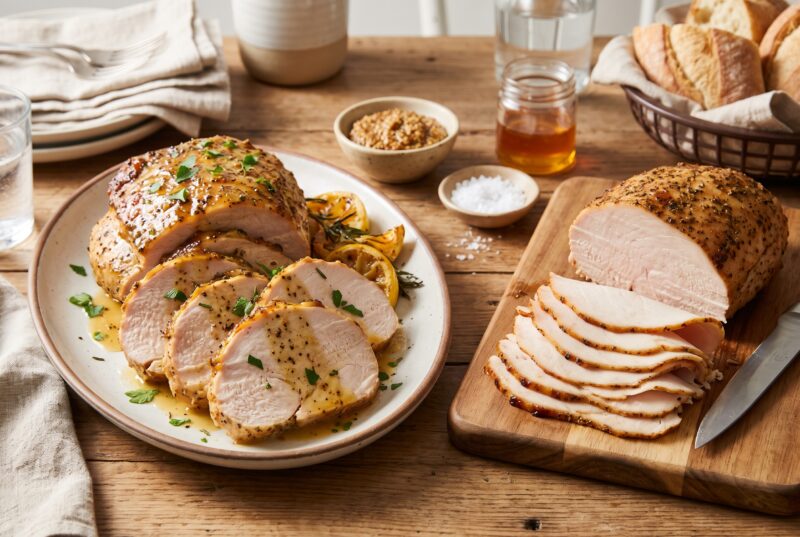
If you have ever spotted a “Turkey London Broil” in the meat case and wondered what makes it distinct, the secret is that it is a butcher’s moniker rather than a traditional cut.
A Turkey London Broil is simply a thick, boneless, skinless half turkey breast, usually weighing between 1.5 and 2.5 pounds.
Because it contains zero bones and very little connective tissue, it cooks in a fraction of the time a whole bird requires,produces practically no waste, and carves into clean, tender medallions.
The 3 Rules for Cooking It Right
Because this cut has almost no fat to buffer against heat, dryness is the main risk. Three straightforward steps keep it juicy:
- Season Generously (No Long Marinating Required): While an overnight marinade is lovely, it is far from mandatory. A vibrant 20-minute paste, a bold dry spice rub, or a quick liquid bath applied right before cooking delivers plenty of surface flavor and locks in moisture.
- Roast or Sear at 375°F (190°C): Roast in the oven for 35 to 45 minutes on a rimmed baking sheet. For extra color and flavor, give it a quick 3-minute sear per side in an oven-safe skillet over medium-high heat first, then let the oven finish the job.
- Pull Early, Rest, and Slice Across the Grain: Pull the turkey out when an instant-read thermometer hits 160°Fat the thickest center point. Tent loosely with foil and let it rest undisturbed for 10 to 15 minutes; carryover cooking easily brings it up to the safe 165°F mark without drying the fibers out. Always slice perpendicular to the muscle grain for tender bites.
Quick Flavor Boosts: Marinades & Rubs
You don’t need hours of prep to get bold flavor. These work whether you use them right away or let them sit for 15 to 30 minutes while the oven heats up:
1. Garlic-Herb & Dijon Paste (Quick & Versatile)
- Flavor profile: Savory, zesty, and French-bistro inspired.
- The blend: Whisk together 3 tablespoons olive oil, 1 tablespoon Dijon mustard, 1 tablespoon fresh lemon juice,3 minced garlic cloves, 1 teaspoon chopped fresh rosemary (or ½ teaspoon dried), 1 teaspoon kosher salt, and ½ teaspoon freshly cracked black pepper.
- Use: Brush thoroughly over the breast right before roasting.
2. Smoky Paprika & Brown Sugar Rub (Dry Rub)
- Flavor profile: Sweet, smoky, and barbecue-adjacent—ideal for a deep, caramelized crust.
- The blend: Combine 1 tablespoon dark brown sugar, 1 tablespoon smoked paprika, 1 teaspoon garlic powder, 1 teaspoon onion powder, 1 teaspoon kosher salt, and ½ teaspoon cracked black pepper.
- Use: Rub the turkey with 1 tablespoon olive oil, coat all sides with the spice blend, and transfer straight to the pan.
Scroll to continue
More Love
3. Greek Lemon & Oregano Splash (Fast Wet Marinade)
- Flavor profile: Bright, clean Mediterranean notes.
- The blend: Combine ¼ cup olive oil, the juice and zest of 1 large lemon, 2 minced garlic cloves, 1 tablespoon dried oregano, and 1 teaspoon kosher salt.
- Use: Pour over the meat in a shallow dish while prepping your sides (even 15 minutes makes a difference), or roast immediately.
The Story Behind the Name: A Butcher’s Clever Shorthand
Food lore is packed with misnomers: Caesar salad has nothing to do with Julius Caesar (it was tossed together in the 1920s by chef Caesar Cardini during a holiday rush in Tijuana, Mexico), and traditional “London Broil” has virtually no connection to London.
You won’t find London Broil on a menu in England. The phrase originated in mid-20th-century North America not as a cut of beef, but as a cooking technique—marinating lean flank steak and broiling it hot and fast before slicing it razor-thin.
Eventually, clever butchers borrowed the regal-sounding name for other lean, boneless cuts. When boneless turkey breast halves hit supermarket cases, labeling them “Turkey London Broil” told home cooks everything they needed to know: treat this lean, thick cut with high heat, season it boldly, and always slice across the grain.
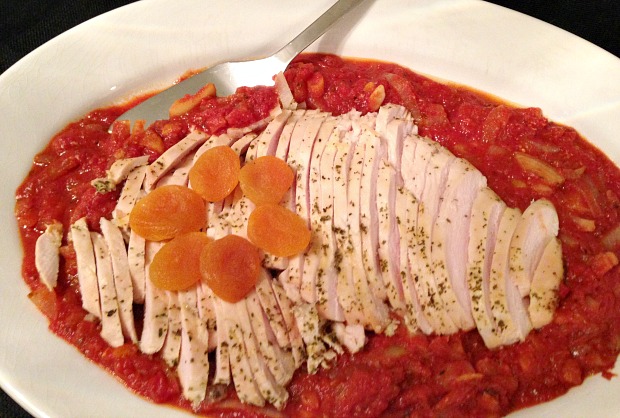
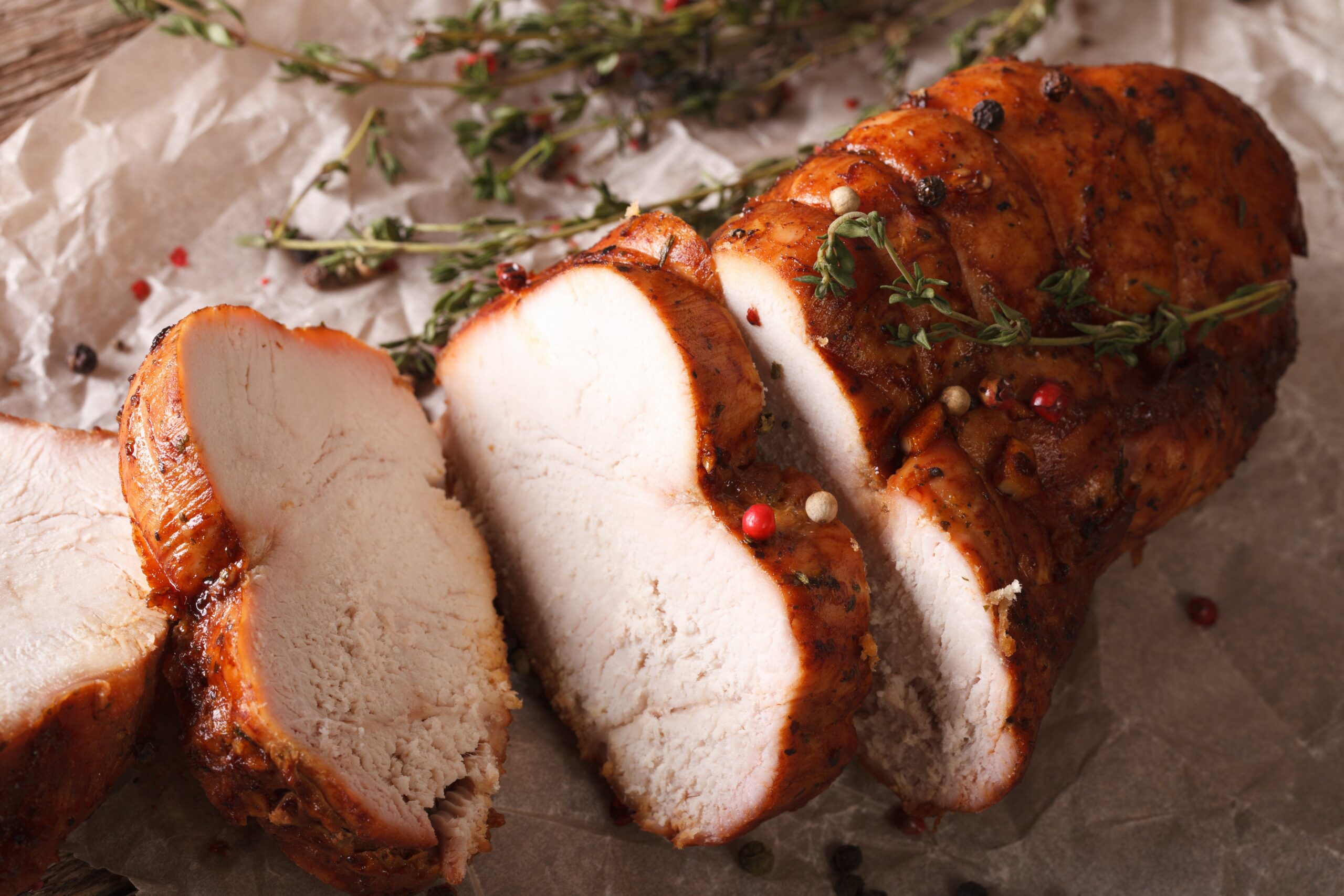
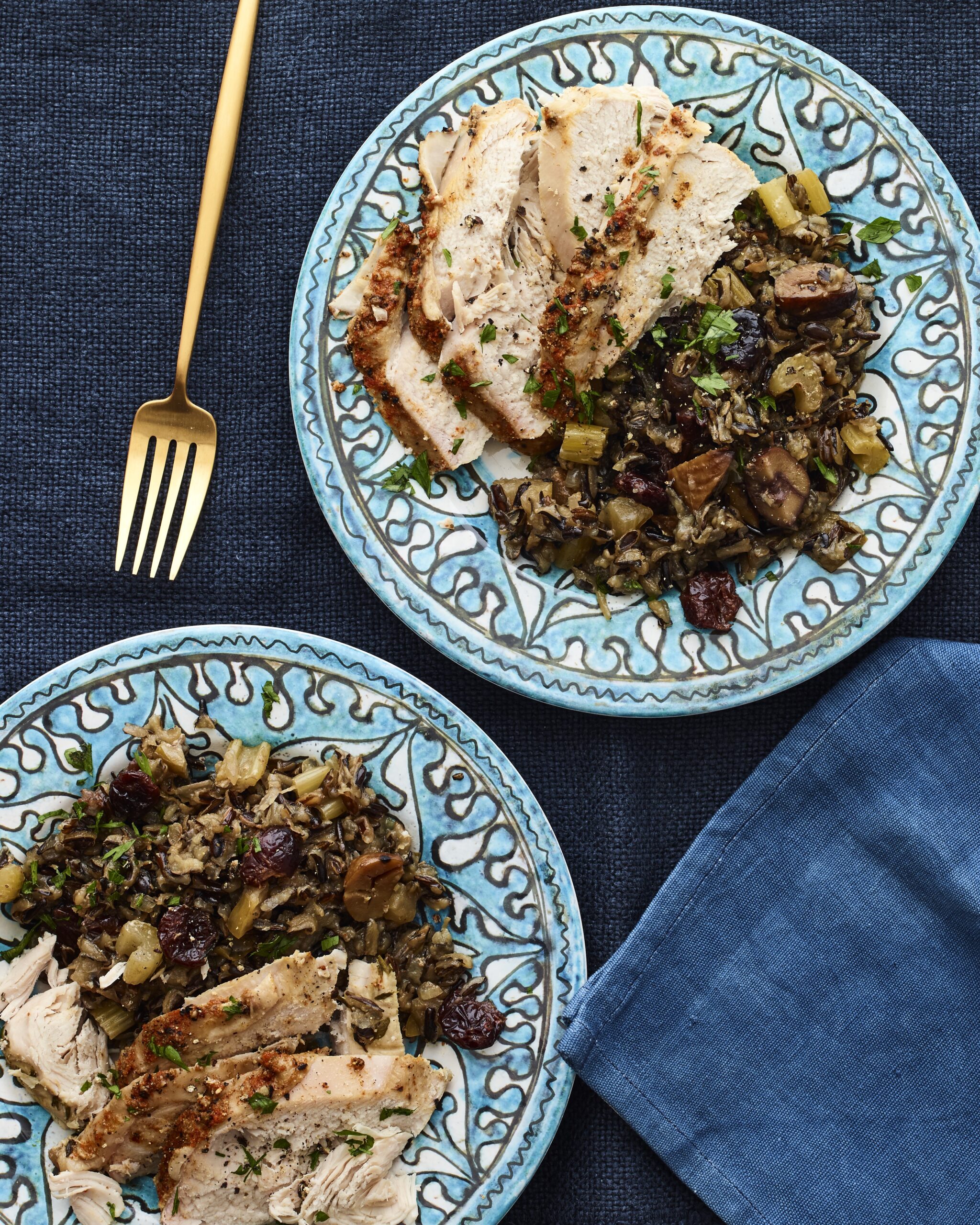
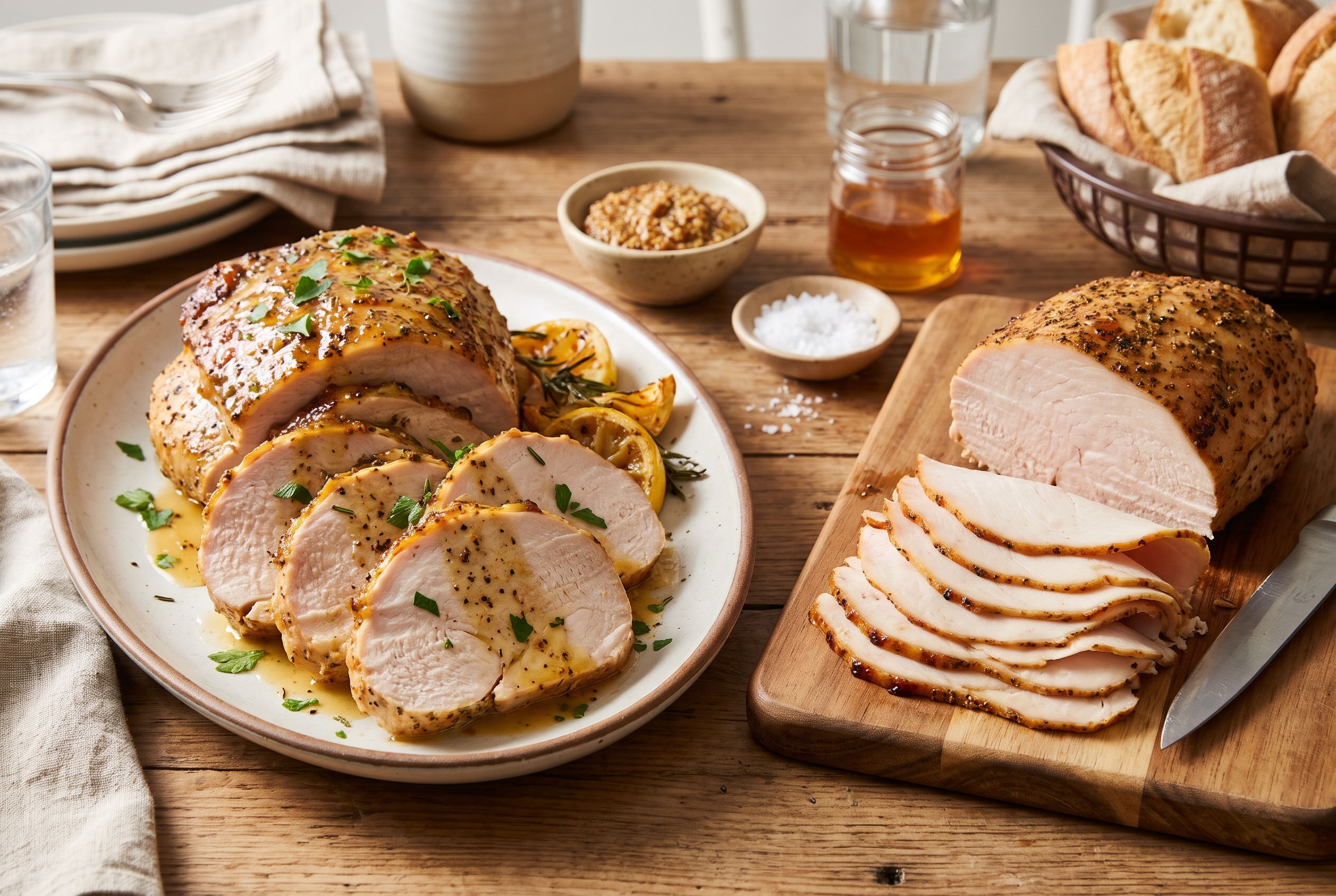




The turkey london broil gets roasted uncovered, allowing it to get slightly golden on top, in the short amount of time it is in the oven. A traditional beef london broil will usually get covered because it needs to cook for so much longer, and will need help in retaining moisture.
Do you bake this turkey covered or uncovered?