


As a dietitian, I see one simple nutrient routinely overlooked that could revolutionize your health: Fiber.
The data is clear: most of us are running on empty. A balanced diet should contain roughly 25 to 30 grams of fiberevery day, but the average American eats less than half of that! If you want to feel fuller longer, stabilize your energy, and support your long-term health, hitting this goal is non-negotiable.
Fiber—found only in plant-based foods like beans, grains, vegetables, and fruits—is the magic ingredient that passes through your body virtually unchanged. It adds bulk, provides very few calories, and maintains the health of your entire digestive tract.
The Powerful Benefits of Real Fiber
Fiber is a nutritional superstar, recognized for its powerful impact on your body’s chemistry:
- Heart Health: Fiber works to lower blood cholesterol, significantly decreasing the risk of heart disease.
- Blood Sugar Control: It helps stabilize and control blood sugar levels, reducing the risk of conditions like diabetes.
- Cancer Prevention: Studies have shown that diets high in natural fiber can lower the risk of certain cancers.
- Weight Management: Fiber helps you feel satiated (full) faster, without adding excess calories, making it a critical tool for weight control.
Soluble vs. Insoluble: The Two Fiber Types
It’s helpful to understand the two different kinds of fiber and what they do in your body:
- Soluble Fiber: This type can be dissolved in water. It forms a gel in your digestive system, which is responsible for lowering blood cholesterol and blood sugar.
- Insoluble Fiber: This is mainly made up of plant cell walls and cannot be dissolved in water. Its main job is to provide bulk and accelerate the passage of food, providing that essential “laxative effect.”
Avoid the “Fake Fiber” Trap
You’ve probably noticed “fiber” popping up in everything from yogurts and snacks to artificial sweeteners and water. Food companies try to “help,” but most of these processed goods with added fiber don’t contain the essential vitamins, minerals, and other beneficial nutrients associated with naturally high-fiber foods. The best and purest way to hit your goal is by choosing whole, natural grains, fruits, and vegetables.
Scroll to continue
More Love
8 Fiber-Rich Side Dishes to Keep You Feeling Great
When you think of sides, they often play second fiddle — but what if they …
6 Easy Ways to Hit 25+ Grams of Fiber Every Day
Achieving your 25g goal is easier than you think! Follow this simple strategy, broken down by mealtime, to pack your day with delicious, natural fiber:
1. The Fiber-Packed Breakfast Boost (5–8g)
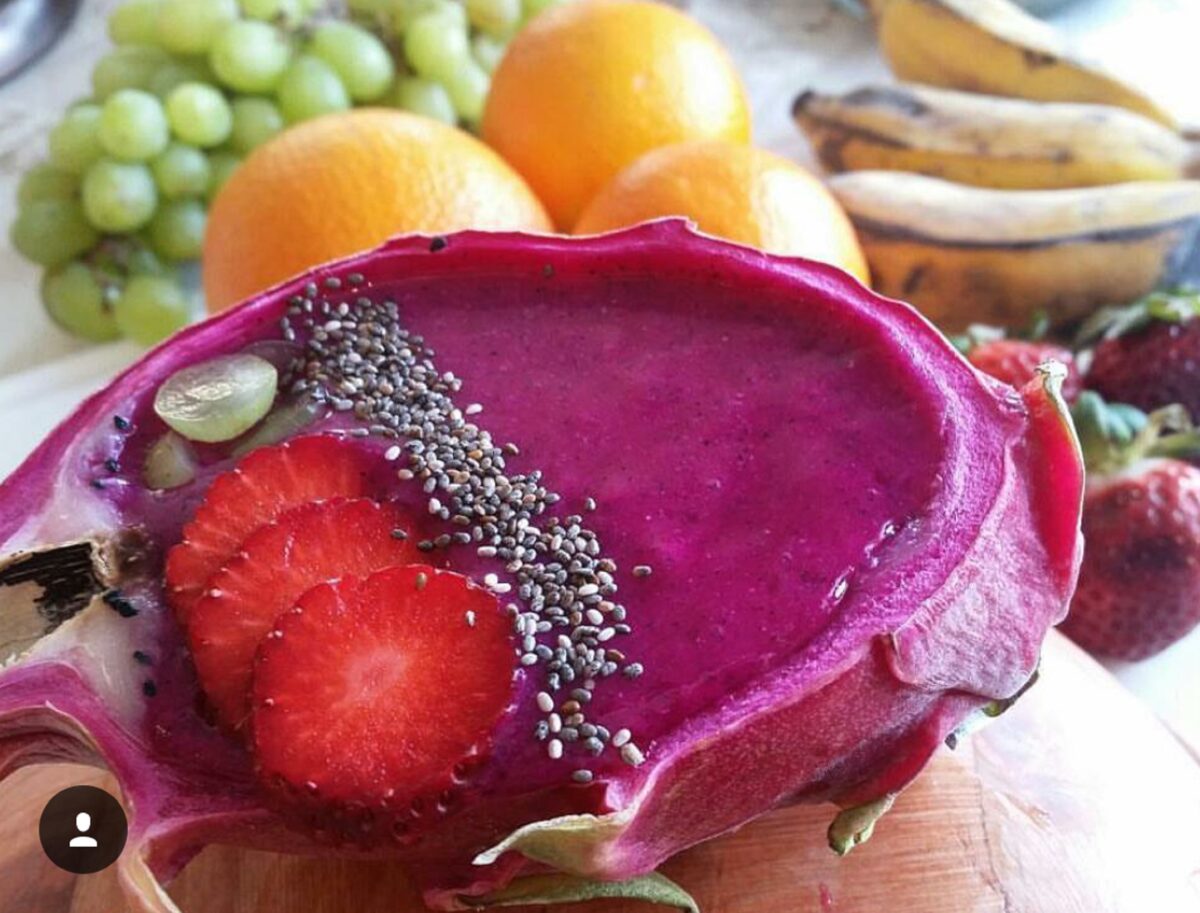
Start your day with a smoothie or a whole-grain cereal topped with fruit. One cup of your favorite berries (fresh or frozen) has between 5 and 8 grams of fiber, providing an immediate head start!
2. The Power Mid-Morning Snack (7–8g)
Pair a piece of fruit with a small amount of nuts. Grab an apple or pear for 4–5 grams, and eat them with an ounce of almonds for 3 more grams. This snack provides sustained energy that lasts until lunch.
3. Build a Better Lunch Base (7–11g)
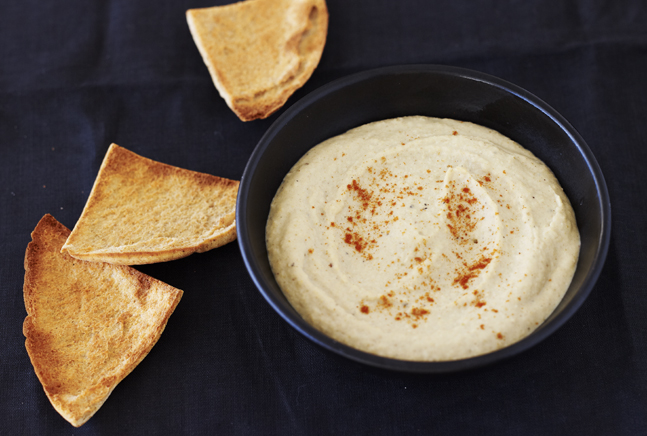
Make your midday meal count with legumes and whole grains. Adding half a cup of cooked lentils or black beans to a salad or soup instantly provides around 7 grams of fiber. For sandwiches, use whole wheat bread or a whole wheat pita filled with ¼ cup of hummus (about 4g).
4. Afternoon Hunger Crushers (3–5g)
Need a satisfying, savory snack? Edamame is an incredible source, offering 3–5 grams per serving. Alternatively, a small serving of whole wheat crackers (like Triscuits) can easily give you 3 grams.
5. Elevate Your Dinner Grain (5–7g)
Make a conscious choice about your grain. Opt for truly whole grains like barley, farro, spelt, or even steel-cut oats as your side dish. And don’t forget the veggies! Add 3 ounces of baby corn to your salad or stir-fry for 6 quick grams of fiber.
6. The Guiltless Dessert Treat (2–4g)
You can still enjoy a little something sweet! End your meal with fruit, or try making a light dessert like a Pumpkin Steamer. Just ¼ cup of canned pumpkin puree adds about 2 grams of fiber, along with Vitamin A.
By swapping a few items and focusing on plant-based whole foods, you can easily hit your 25g goal and enjoy all the incredible energy and health benefits that come with it. It’s not a diet—it’s a simple shift toward better, fuller eating!







Leave a Reply