


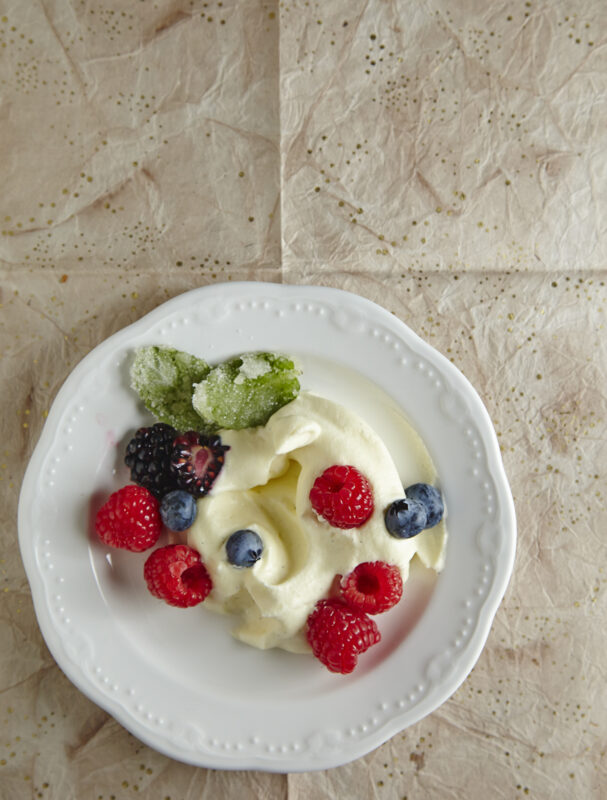
One of Italy’s great gifts to the rest of the world, zabaglione, is an ethereal dessert made by whisking together egg yolks, wine – traditionally marsala but champagne or wine is often used for a savoury version – and sugar.
Egg-based alcoholic drinks made with similar ingredients were already popular long before the invention of zabaglione itself, since eggs were always readily available, and regarded in many ancient cultures as healing, energizing, and stimulating. This belief obviously holds some truth, given the nutritional qualities of the egg, but it was also deeply tied to the egg’s rich symbolism, which included elements of fertility, life, strength, and renewal.
Gil Marks writes in his Encyclopedia of Jewish Food that, “in Jewish tradition, eggs are cited as the only food that becomes harder as it is cooked, while the eggshell is noted as being, paradoxically, both resilient and fragile. Thus, eggs are symbolic of Jewish history, as well as of fertility and life (and death).”
Italians love to fight over the origins of their most famous dishes, and different regions claim the paternity of zabaglione, offering as “proof” a variety of colorful stories that would explain its origins. Was it born at the lavish Medici court of Florence, or in Arab Sicily? In 16th century Emilia Romagna, among the troops of a warlord known as Zvan Bajoun; in the Piedmontese circle of a pious Franciscan friar, later canonized as “San (Pascual de) Baylon;” or finally, on the coasts of Illyria, once a territory of the vast Venetian republic? To tell the truth, given the availability of the ingredients and the popularity of eggs, it could even have originated in a few variations in several places at more or less the same time, maybe initially using honey instead of sugar. After all, a concoction made of fresh egg beaten with sugar or honey and milk (or wine), had been given to scores of Italian children over the centuries by their mothers as a homemade health supplement, long before the invention of the “proper” recipe.
What we do know for certain is that we can finally find the actual recipe for zabaglione in the Libro de Arte Coquinaria (The Art of Cooking, 1465), the first and most famous modern cooking book compiled by Renaissance Europe’s foremost “celebrity chef,” Italian Martino di Como. What makes it “new” is that it describes the technique of the double boiler used to turn the mix of beaten eggs, sugar, and wine into a warm, fluffy, light and ethereal froth, not quite a custard or a mousse, but a delicious sauce with a unique texture that is served hot or cold, either as a dessert by itself or to top fruit and dip cookies into, particularly ladyfingers and amaretti. (However, many contemporary chefs also make a savory version, perfect to accompany simple fish or vegetable preparations.)
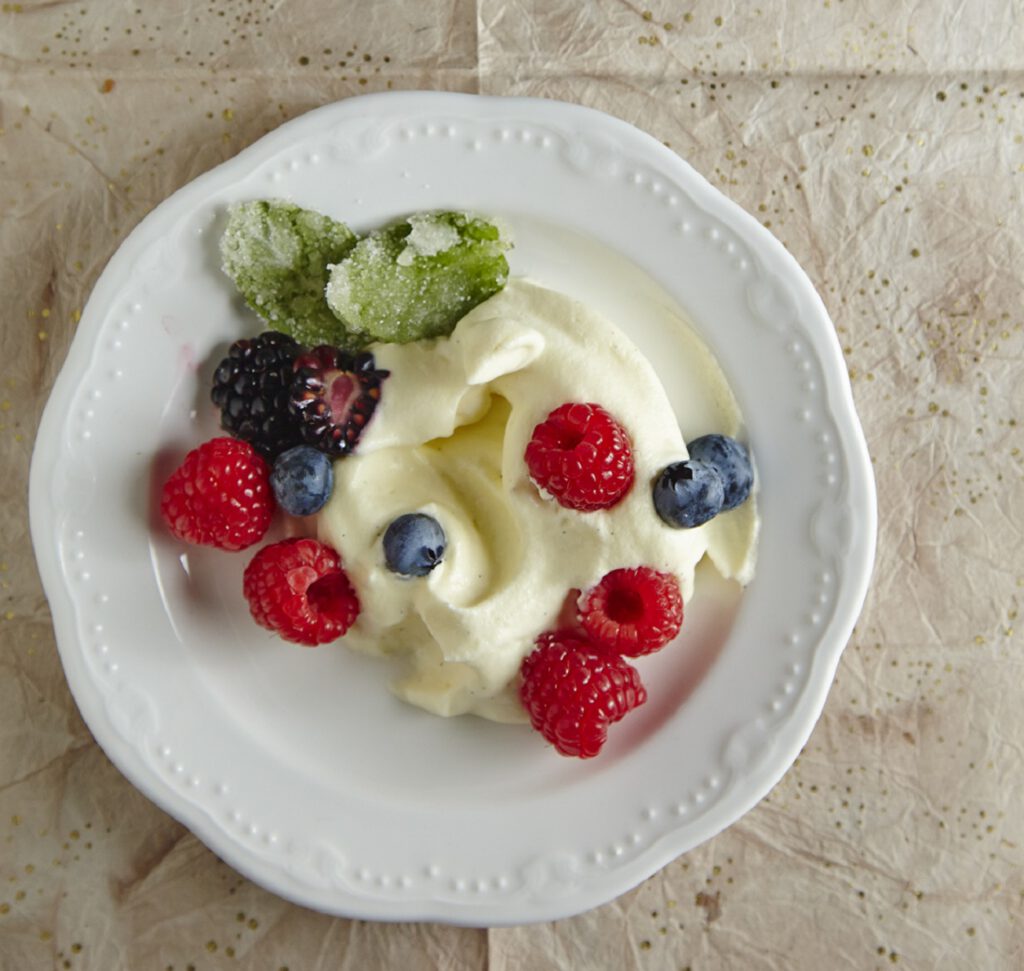
This prosecco or champagne version will taste particularly festive! If you are trying to avoid alcohol, you can make zabaglione with cold espresso coffee (I use decaf for my kids).
Scroll to continue
More Love
TIP: If you would like to achieve a thicker consistency, add one cup of already whipped cream to the finished zabaglione.
MORE: Everything You Need to Know About Cooking With Olive Oil
Recipes originally published in JOY of KOSHER with Jamie Geller Magazine Purim 2015 Subscribe Now
Want stories like this delivered right to your inbox? Sign up now for our *free* JOY of KOSHER Newsletter.




Leave a Reply