



What can be used in place of heavy cream?
Heavy cream is a common ingredient in many rich and creamy desserts as well as rich and creamy mains. So it’s no surprise that this is one of the number one questions for baking substitutions we get.
According to the kosher dietary laws we do not mix milk and meat and this doesn’t just mean in one specific dish, but we even wait 3-6 hours after eating meat until we are allowed to eat dairy.
Don’t you just hate that moment when you fall in love with a savory meat or pareve recipe only to find out that it calls for whipping cream?!? I mean, how can I add whipping cream to my chicken alfredo, savory cream sauces, fish stews and even biscuits with gravy. Yes, that’s right! I’m talking about rich fluffy biscuits with thick meaty gravy.
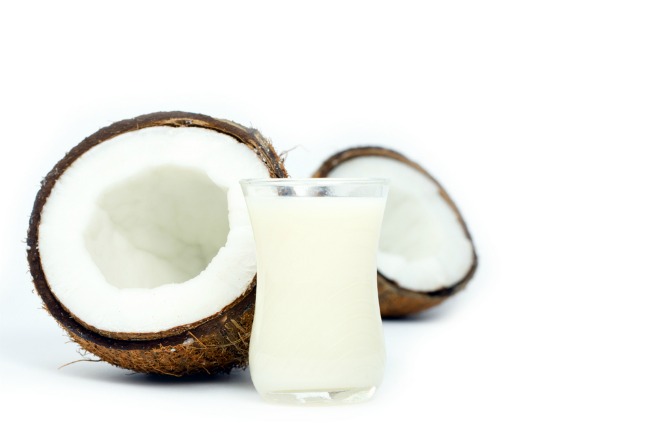
The answer to this dairy conundrum is as simple as a can of natural coconut milk!
Versatile coconut milk can add creamy texture to soups, rich flavor to sauces and is the perfect substitute for heavy cream in any of your favorite savory dishes and desserts.
If you’re wondering about other non-dairy milks like soy milk and almond milk, they are just too thin to use in place of rich heavy cream, although they are great to sub in for regular milk.
When a recipe calls for heavy cream, go for the good stuff and stock your pantry with canned coconut milk. I like to buy a whole case of this creamy substitute so I always have some around and those cans can sit on your pantry shelf forever! Does it get any more convenient?!?
Scroll to continue
More Love

101 Passover Recipes
Last year one of my friends posted a picture of her Passover preparations with the …
You can also make your own from desiccated coconut with these instructions, but you know I am all about getting you out of the kitchen and the canned coconut milk is all natural with only one ingredient, coconut.
It’s really as easy as shaking a can of full fat coconut milk, opening it up and substituting measure for measure with the heavy cream in any recipe.
What can I do with extra coconut milk, sometimes a recipe only calls for a few tablespoons?
If you have any extra coconut milk, transfer it to an airtight container in the fridge for 3-5 days. I like to add extra coconut milk to my morning cup of coffee or stir with melted chocolate for a rich ganache or even turn them into truffles, but you can use yours for even more savory dishes if you want. The options are seriously endless.
What is the difference between canned coconut milk and boxed coconut milk drink?
People are always asking me if they can use boxed coconut milk drink in place of canned coconut milk in a recipe and my answer is always the same…“NOPE!”
Boxed coconut milk drink is exactly what it sounds like. It’s a drink. It’s often watered down and filled with additives like carrageenan, guar gum and other sweeteners and should be avoided for all cooking and baking. And if you’re wondering about using lite coconut milk since it has less fat and calories than full fat coconut milk, just know that water has been added to lite coconut milk, making it thinner and therefore not a good substitute for heavy cream.
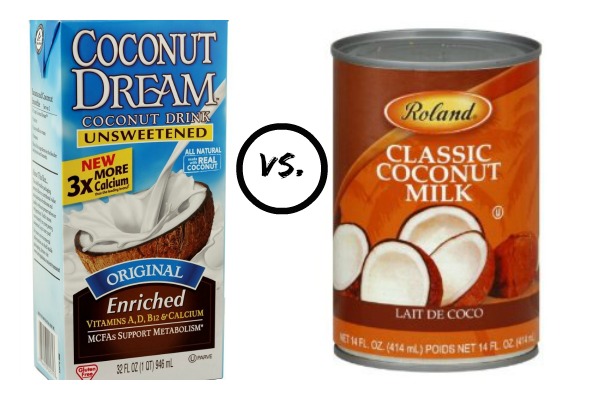
Here are a few brands of kosher canned coconut milk that I recommend and you can buy them all on Amazon: Native Forest, Natural Value, Roland.
Now some recipes.
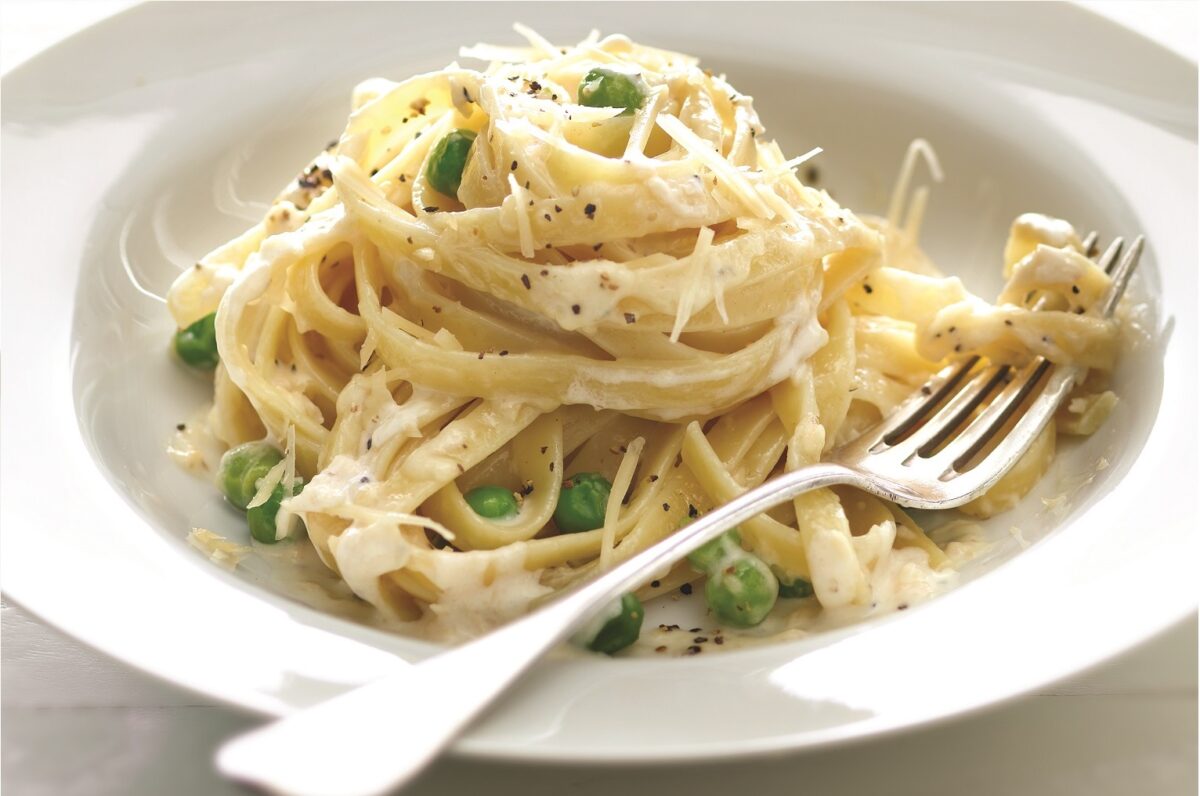
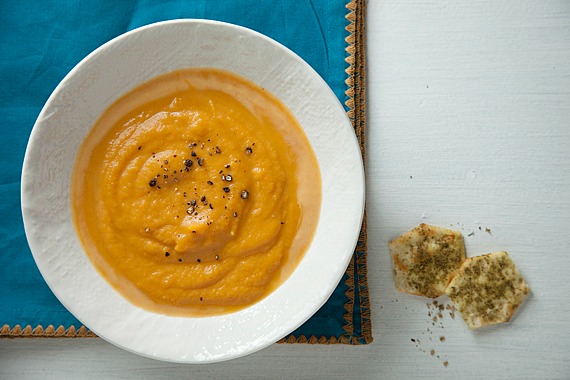
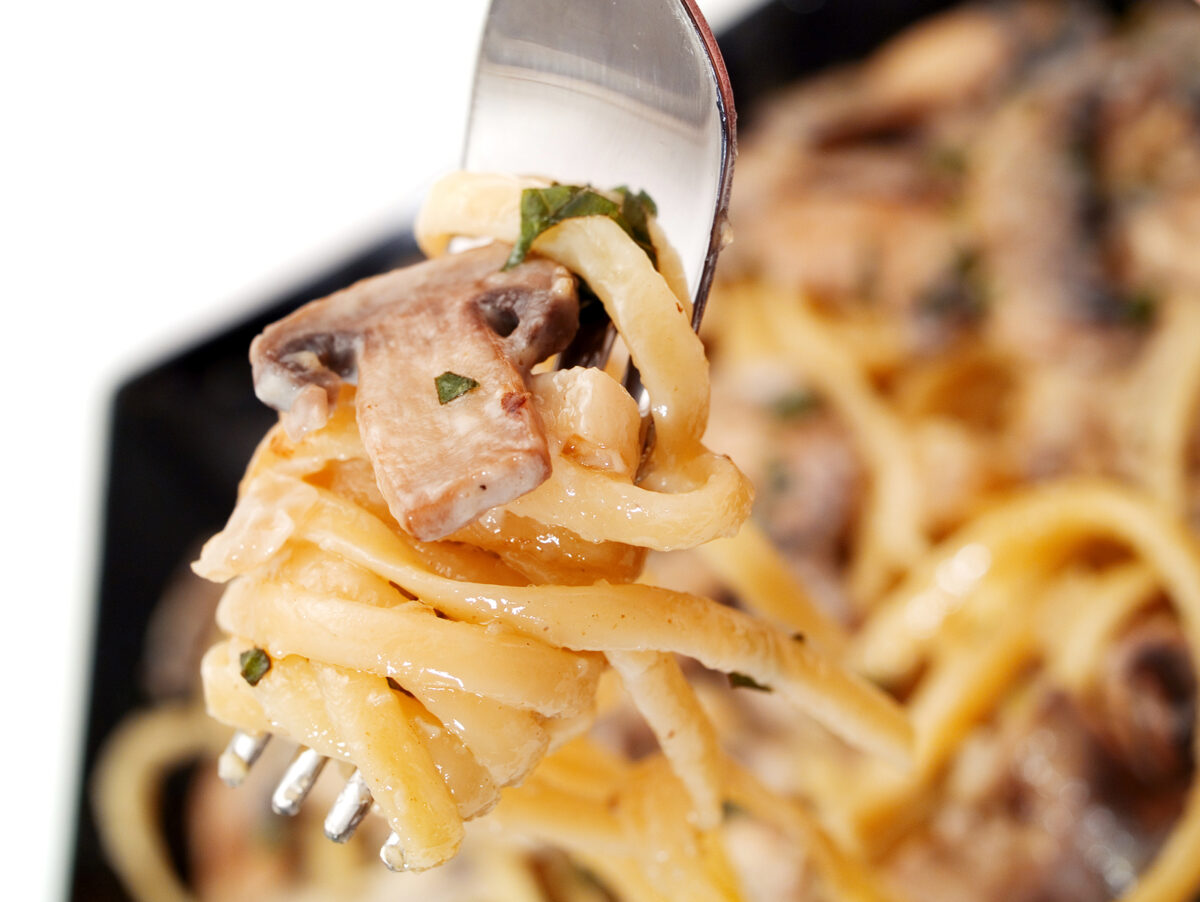
These 7 recipes are made with or can be adapted to be made with coconut milk instead of heavy cream.









I use So Delicious Coconut Milk – It is really thick.
Yes, that’s one of my favorites.
aroy-d boxed full fat coconut milk is absolutely pure with no additives
“Vegans also face this question” Along with the question “Why don’t more people speak out about the permanent brain damage caused by a vegan diet, and the near-impossibility of supplementing well enough to copy with all the missing nutrients that more than half of vegans test deficient in?
Cos that question could be a bit more urgent, ya think?
Refined cocoa butter should also be looked into as a possibility because it has a similar melting point as butter.
Vegans also face this question. Joy of Kosher readers should look into “Artisan Vegan Cheese” by Miyoko Schinner, which contains easy recipes for creating vegan and pareve cheeses and other dairy product substitutes, including whipping cream. Her work has been carried further by Skye Michael Conroy, a vegan chef, whose books “The Gentle Chef,” “The Non-Dairy Formulary,” and “The Non-Dairy Evolution Cookbook” provide terrifically well-thought-out and tested recipes for homemade vegan/pareve meat and dairy substitutes, including all kinds of creams, using soy milk, cashew nuts, and/or coconut milk/oil.
While heavy whipping cream can be substituted by the chilled fat from canned coconut milk, it does have a coconut flavor that may not be suitable for every recipe. Organic REFINED coconut oil (which is solid at room temperatures) has been processed to eliminate the coconut flavor and produce a neutral-tasting oil. I haven’t tried this yet, but it should be possible to chill refined coconut oil in the refrigerator and then whip it to produce pareve coconut whipped cream. The coconut oil is basically the same substance as the fat from canned coconut milk, or the canned product sold as coconut cream, which is the coconut fat without the water. (Don’t confuse coconut cream with Cream of Coconut or similarly named products which are extremely sweet gel-like substances used to make desserts or cocktails.)
Readers should remember that while these substitutes are vegan and pareve, they are NOT low-calorie or particularly healthy, so if those are concerns they should be used occasionally and in moderation. Also, speaking of health and calories, I’ve noticed recently that Crisco, which is pareve, seems to have been reformulated and claims to have zero trans-fats on its nutrition labels. It may therefore be possible to use it instead of the refined coconut oil in these recipes. It’s certainly less expensive than the coconut oil, which is quite high priced now that it’s become a “health food of the moment.” “Natural,” “health food” shortening like the Spectrum brand are also pareve and have no trans fats but are more expensive than Crisco. If there are Indian grocery stores in your area, they should have less expensive refined coconut oil because it’s a common cooking oil in South Indian cookery. It’s not likely to have a hechsher, though.
Finally, if you are attracted by some of the other recipes in Schinner and Conroy’s books, note that many are cultured products (like real dairy cheese, sour cream, etc.) using a home-fermented product called Rejuvelac as the culture starter. The Rejuvelac in the cookbooks is made from sprouted wheat berries, which would be a problem for Pesach. However, Rejuvelac can also be made using sprouted quinoa. You can also Google for a recipe for making Rejuvelac from organic cabbage! I haven’t tried it yet, but it’s faster than the grain-based versions because you can skip the 2 – 3 days required to sprout the seeds before allowing them to ferment to produce the Rejuvelac.
As you can see, where there’s a will there’s a way to produce great tasting substitutes for dairy and meat products!