


As Tisha B’Av comes to an end, and we conclude our day of solemn reflection and fasting, it is essential to approach the post-fast meal with care and consideration. Breaking the fast after Tisha B’Av offers an opportunity to nourish both our bodies and souls. To guide you through this important transition, I have compiled a list of practical and health-conscious tips to ensure a smooth and revitalizing post-fast experience.
1. Hydrate Mindfully

After a day of abstaining from food and drink, it’s crucial to rehydrate your body gradually. Begin by sipping on room temperature water or herbal tea to awaken your digestive system gently. Avoid gulping large quantities of liquid, as it may lead to discomfort. Instead, aim to drink small amounts at regular intervals throughout the evening. I love a fruit flavored tea maybe with some added citrus to get me started.
2. Start with Light Foods
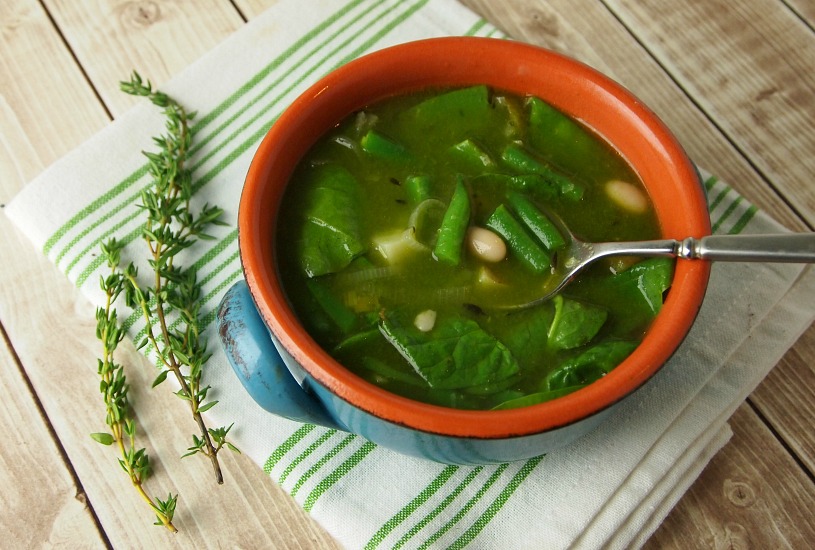
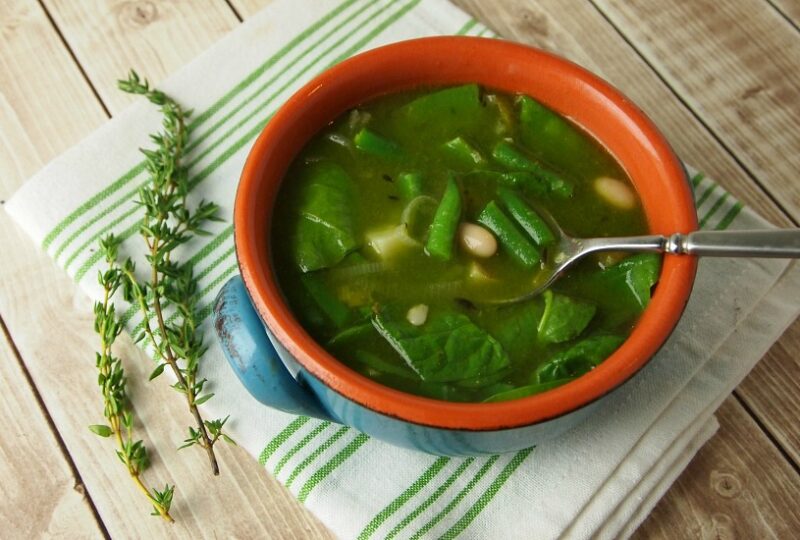
Opt for easily digestible and gentle foods to break your fast. Begin with a light soup or broth, which provides hydration while easing your stomach back into the process of digestion. Vegetable-based soups are excellent choices, as they are gentle on the stomach and provide essential nutrients. I love to get lots of greens in soup form.
3. Incorporate Balanced Nutrients
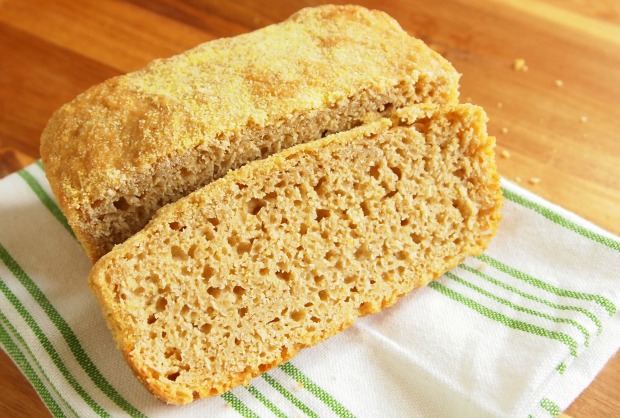
As you progress through your post-fast meal, focus on incorporating a variety of nutrient-rich foods. Aim for a balanced combination of lean protein, whole grains, healthy fats, and colorful vegetables. This combination will provide sustained energy and essential nutrients to replenish your body. Buy or bake a fresh bread like this simple no knead whole grain option.
4. Mindful Portion Control

Scroll to continue
More Love
Hebrew English Meat Guide For Israel
Ever since we shared this Israel Substitution Guide, the one question we get asked all the …
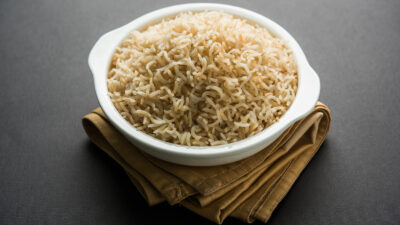
How To Bake Rice In The Oven
This is how to make perfect, every time, fluffy rice. I love making rice in the oven, it …
After a day of fasting, it’s natural to feel hungry and eager to indulge. However, it’s essential to exercise mindful portion control. Start with small portions and allow your body to adjust to the intake of food. This approach helps prevent discomfort and promotes better digestion. Remember, it’s better to eat smaller amounts throughout the evening than to overindulge in one sitting.
5. Choose Nutrient-Dense Snacks
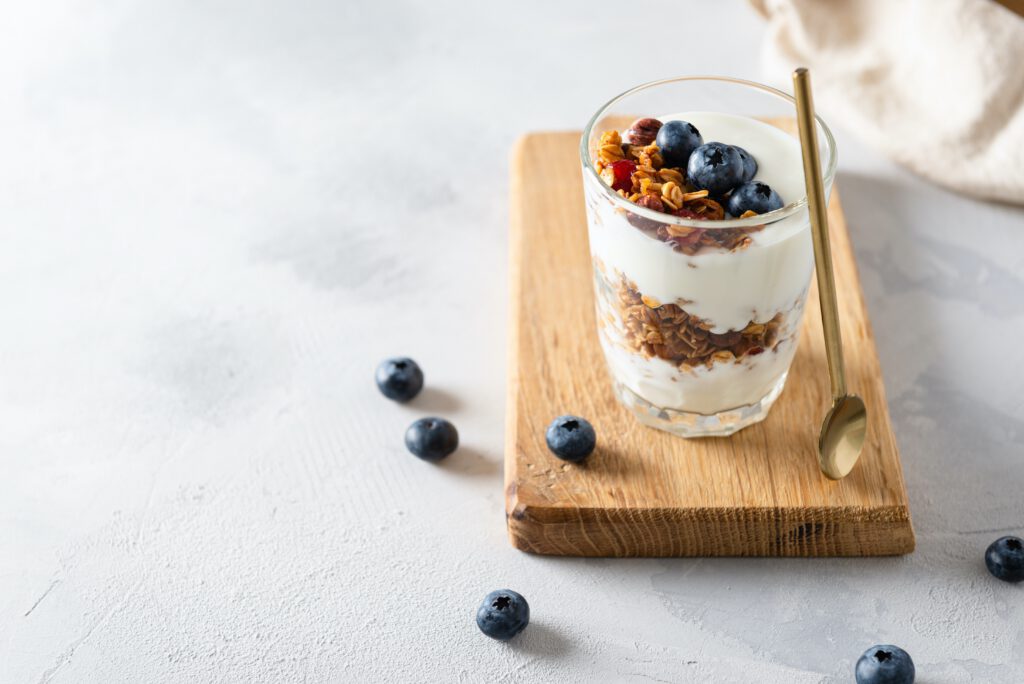
If you find yourself needing a snack later in the evening, opt for nutrient-dense options rather than indulging in empty calories. Nuts, seeds, Greek yogurt, or fresh fruit are excellent choices that provide a good balance of macronutrients and essential vitamins and minerals.
6. Prioritize Gentle Digestion
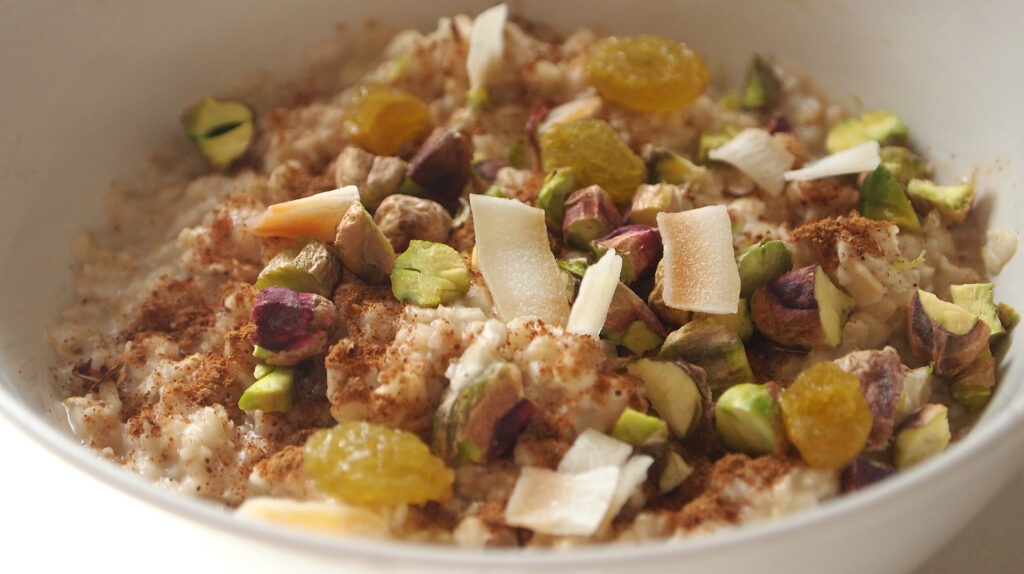
Some individuals may experience digestive discomfort after a fast. To promote gentle digestion, avoid heavy and greasy foods, spicy dishes, and excessive amounts of caffeine or alcohol. These can place additional strain on your digestive system. Instead, opt for foods that are easy to digest, such as steamed vegetables, baked fish, or lightly seasoned tofu.
7. Listen to Your Body
Throughout the evening, pay attention to your body’s cues and honor its needs. Eat slowly, allowing yourself time to savor the flavors and recognize when you feel satisfied. Respect your body’s signals of hunger and fullness, and adjust your food intake accordingly.
Breaking the fast after Tisha B’Av is an opportunity to nourish both our bodies and spirits. By following these expert tips, you can ensure a smooth and health-conscious transition from fasting to eating. By listening to your body’s needs and honoring them, you can conclude this day of reflection with a nourished body and a renewed spirit.





Leave a Reply