


What first led me to Burma wasn’t food. It was family.
And a footnote in The Global Merchants by Professor Joseph Sassoon—a sweeping chronicle of the Sassoon dynasty’s trading empire.
Burma, it turned out, was more than just a line on their map. It was a trade station. A link between Bombay and Shanghai. A stop on the teak, textile, and spice circuits. And it was where Jewish merchants, like Isaac Abraham Sofaer, laid down roots, opened shops, and built homes above them. One such shop—Sofaer & Co.—stood on Rangoon’s Dalhousie Street, in the heart of British Burma.
Then I found a photograph.
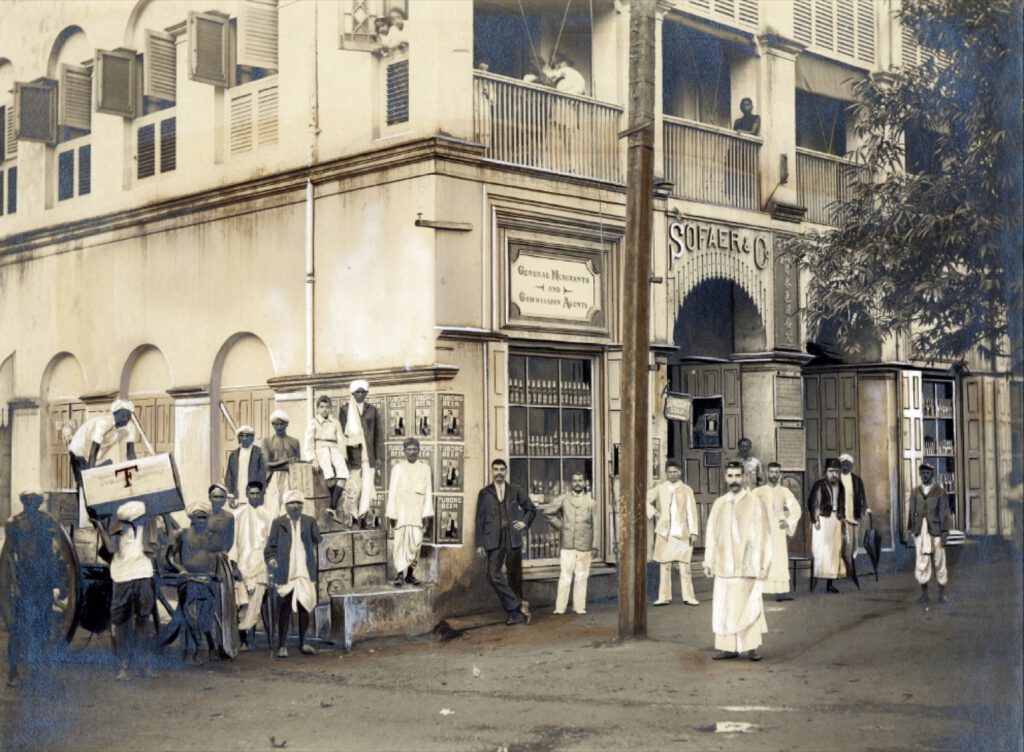
There are photographs that feel like memories. And memories that feel like photographs. This one—taken around 1906—was both.
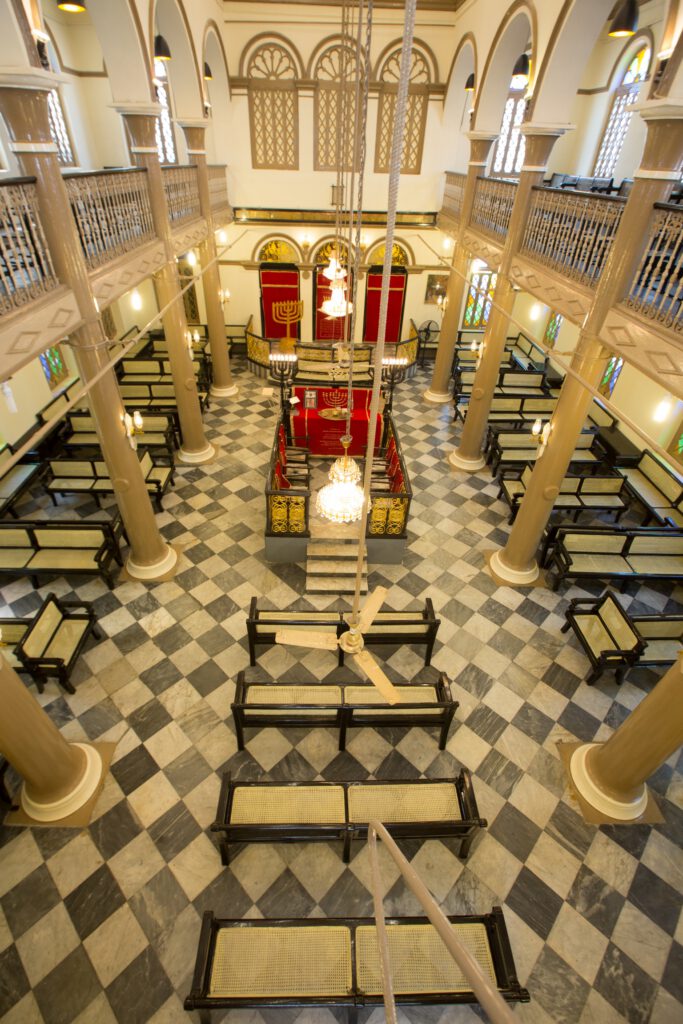 Musmeah Yeshua Synagogue
Eventually, like so many Jewish communities in Southeast Asia, the Baghdadi Jews of Burma began to scatter—first during the Japanese invasion of World War II, then again after Burmese independence and General Ne Win’s nationalization in the 1960s.
Scroll to continue
More Love

Roasted Cauliflower Salad
This salad is a cool fusion of Middle East (the za’atar and tahini) and Asian ingredients …
How To Cook Turkey London Broil
How to cook turkey london broil? 1. Marinate 2. Roast in a 375˚ F. oven for approximately …
Burma soon became Myanmar and Rangoon – Yangon. What remains today is fragile but tangible: a synagogue, a cemetery, and a handful of living memory.
I reached out to Sammy Samuels, one of the last Jews in Yangon. His father Moses had lovingly maintained the Musmeah Yeshua Synagogue, and Sammy continues his work, welcoming guests and keeping the community’s history alive. Through him, I received recipes—some remembered, some adapted, all part of the Baghdadi-Burmese Jewish inheritance.
A Taste of the Burmese Kitchen
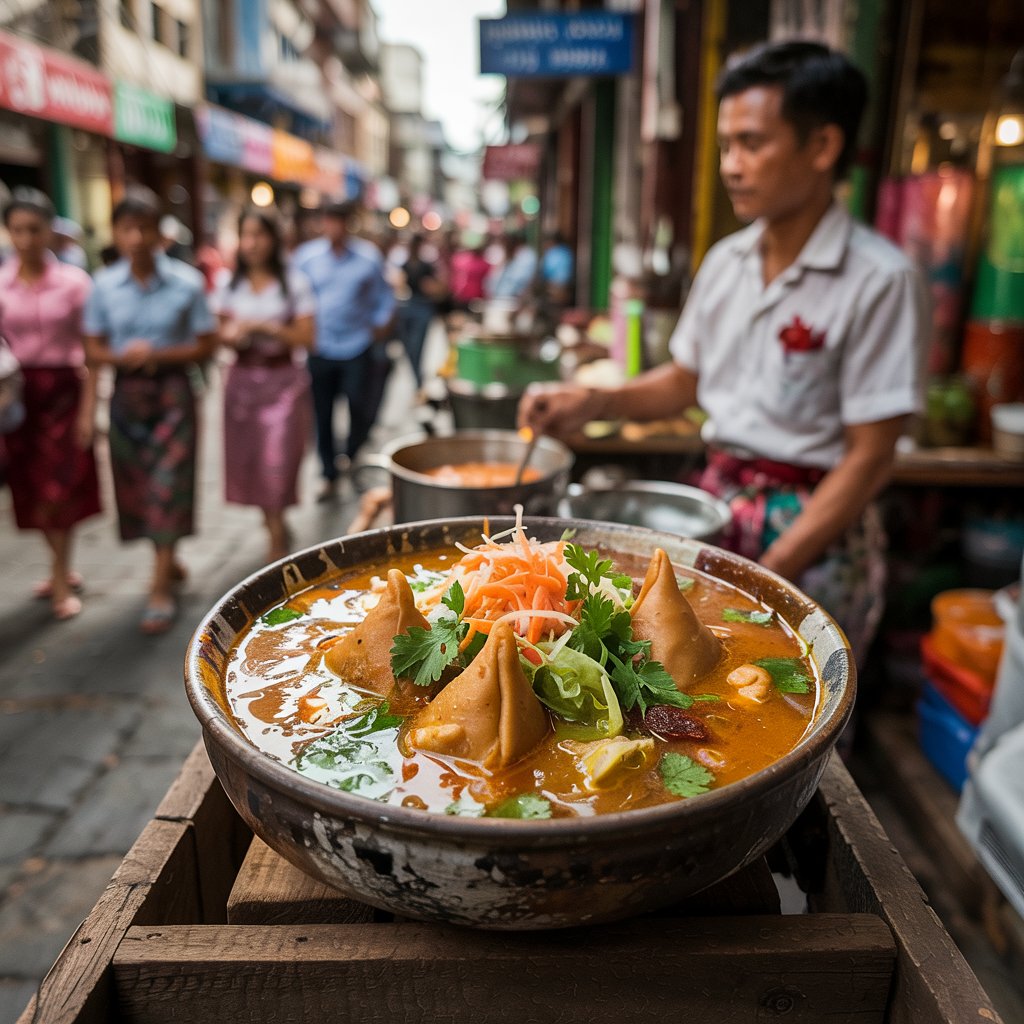
To understand what Jewish food became in Burma, one must understand Burmese cuisine itself—vibrant, layered, and built on the interplay of taste and texture.
As Naomi Duguid writes in Burma: Rivers of Flavor, Burmese cooking relies on fresh herbs, shallot oil, chickpea flour, turmeric, fermented ingredients, and a deep respect for balance. Meals include soups, salads (thoke), stews (hin), and tangy dips—often assembled with small garnishes and crispy toppings served alongside.
This is where Jewish cooks found resonance. They adapted local dishes by replacing shrimp paste with garlic, fish sauce with salt or lime, and kept kosher by turning to chicken, lamb, or tofu.
Sammy Samuels remembers his father preparing these meals—simple, elegant, and always served with care. Dishes like Arook Thayin (chicken croquettes), Burmese samosas, and—my favorite—Ohn-No Khaut Swe, A Coconut Noodle Stew with a Diasporic Twist, were staples in their household and later, in mine.
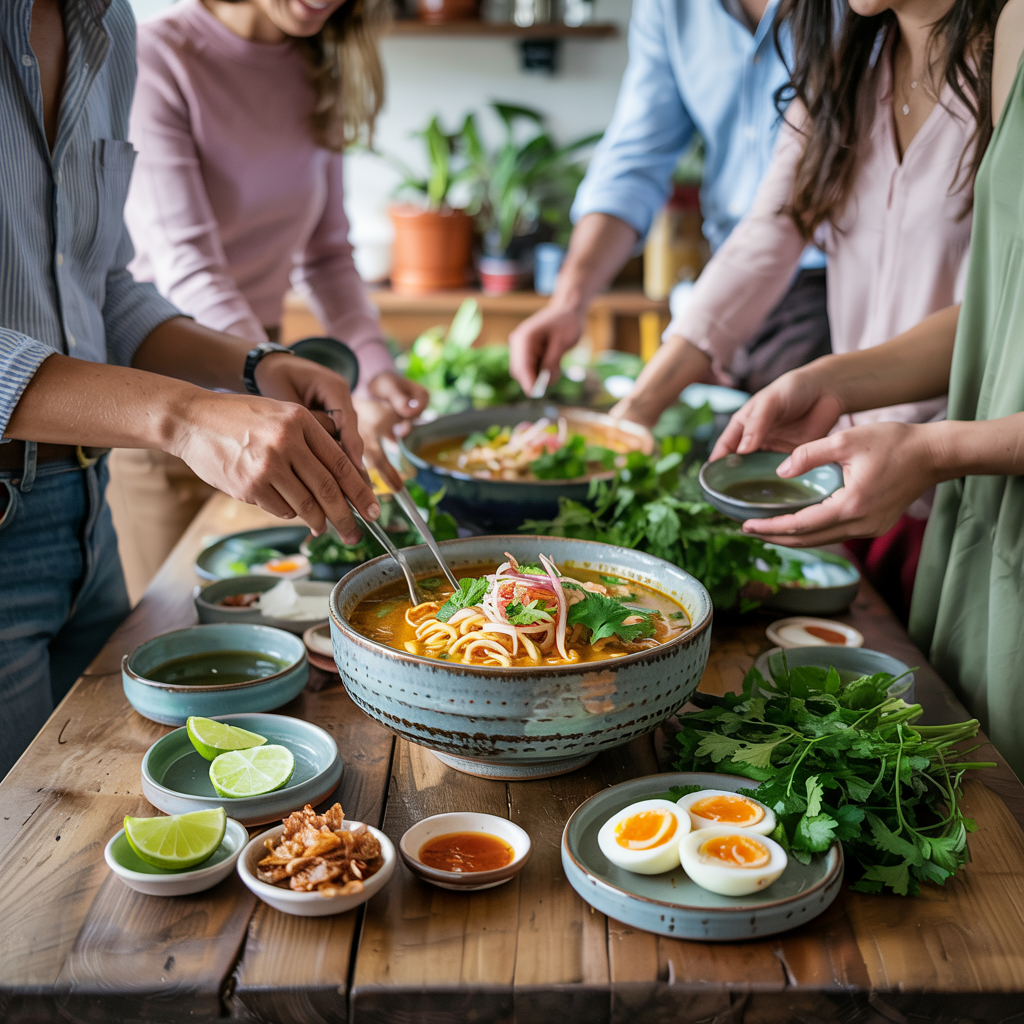 Ohn-No Khaut Swe
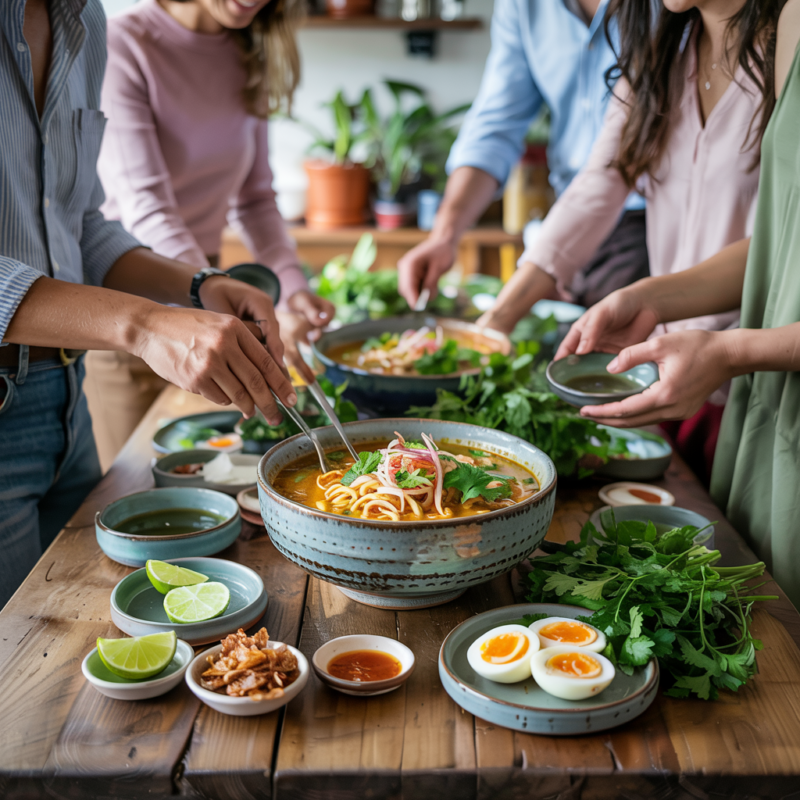
Ohn-No Khaut Swe (အုန်းနို့ခေါက်ဆွဲ) literally means “coconut milk noodles.” Get the full recipe here.
A golden, velvety chicken stew thickened with chickpea flour and coconut milk, spiced with turmeric, and finished with lime—it’s one of Myanmar’s great comfort foods.
When Baghdadi Jews settled in Rangoon, they adapted it with care. They swapped shrimp paste for garlic, fish sauce for lime and salt, and used a technique called hamising: slowly sautéing an onion-ginger-garlic paste in circular motions until it turned deep gold—an aromatic base of memory.
But the magic of khaut swe isn’t just in the broth. It’s in the way it’s eaten.
Not plated. Not pre-mixed. It’s a shared ritual.
You serve noodles into bowls, ladle over the broth—and then everyone builds their own version, garnishing from a colorful array of side dishes: Fried onions. Halved eggs. Chili oil. Fresh herbs. Pickled greens.

At my Aunt Rahele’s home in Toronto, khaut swe wasn’t reserved for Shabbat or festivals. It came out when comfort was needed, or unexpected guests arrived. The garnish bowls were passed around like a weekday seder—with laughter, clinking spoons, and lively, improvised ritual.
This is what I try to capture in Beyond Babylon: how food travels, transforms, and keeps us connected.




I can't wait to try this!