


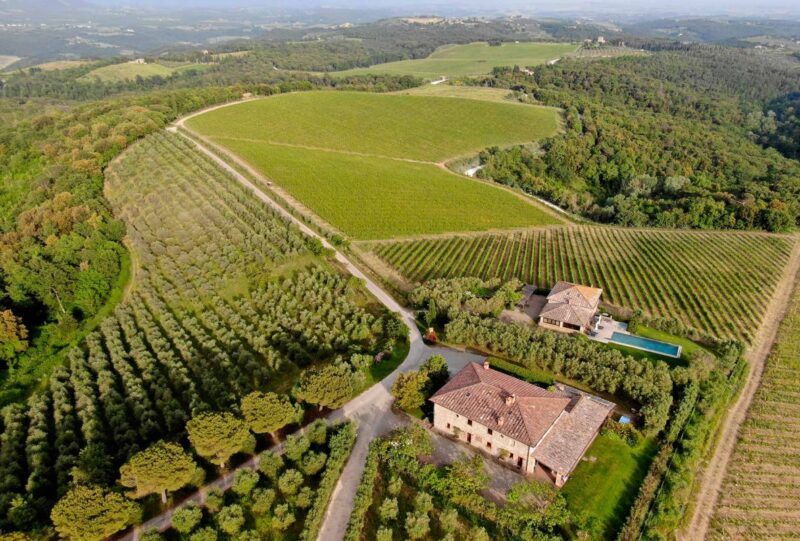
When you think of a dream trip to Tuscany, your mind instantly fills with images of rolling hills, rustic stone cellars, and world-class wine poured directly at the source. But for those who keep strictly kosher, traveling through Italy’s iconic wine regions usually means packing suitcases full of vacuum-sealed meals, popping open tuna cans, and looking at local menus with a heavy dose of wishful thinking.
But tucked away in the southern part of the Chianti Classico region, just outside the historic city of Siena, lies Terra di Seta. This family-run estate is a fascinating anomaly: a fully kosher winery and agriturismo (farm stay) producing top-tier, elegant Italian wines that compete directly on the open, non-kosher market.
For kosher consumers looking to experience an authentic slice of Tuscany without compromising an inch on quality, this spot is highly unique.
Science Meets Tradition in the Cellar
The land itself has been farmed since the 1600s, but the modern story of Terra di Seta began in 2000 when the property was purchased and a state-of-the-art cellar was built. The operation is run by a husband-and-wife duo with an intriguing blend of backgrounds. Maria Pellegrini comes from a multi-generational winemaking family, and she can still be found personally cooking and managing the property’s kitchen. Her husband, Daniele Della Seta, was a university biology professor who dedicated himself completely to the winery after retiring.
Daniele comes from an ancient Jewish family in Rome, and around 2007, the couple made a bold decision. Operating in a region with over 500 established wineries, entering the standard wine market was incredibly competitive. They decided to carve out their niche by transitioning to 100% kosher production.
Today, they produce roughly 60,000 bottles a year. They are one of only two kosher wineries in all of Europe that use 100% of their own estate-grown grapes, ensuring total control over the raw quality from root to glass.
The High-Wire Act of Kosher Winemaking
Making high-end wine under strict rabbinical supervision comes with a fascinating set of rules and logistical hurdles, especially when you are aiming for top-quality, non-mevushal wines (wines that are not flash-pasteurized, allowing for complex, long-term aging in the bottle).
Scroll to continue
More Love
How To Cook Turkey London Broil
How to cook turkey london broil? 1. Marinate 2. Roast in a 375˚ F. oven for approximately …
73 Israeli Food Recipes You Need To Try
Yom Haatzamut is just around the corner (in 2021 it will be celebrated from the night of …
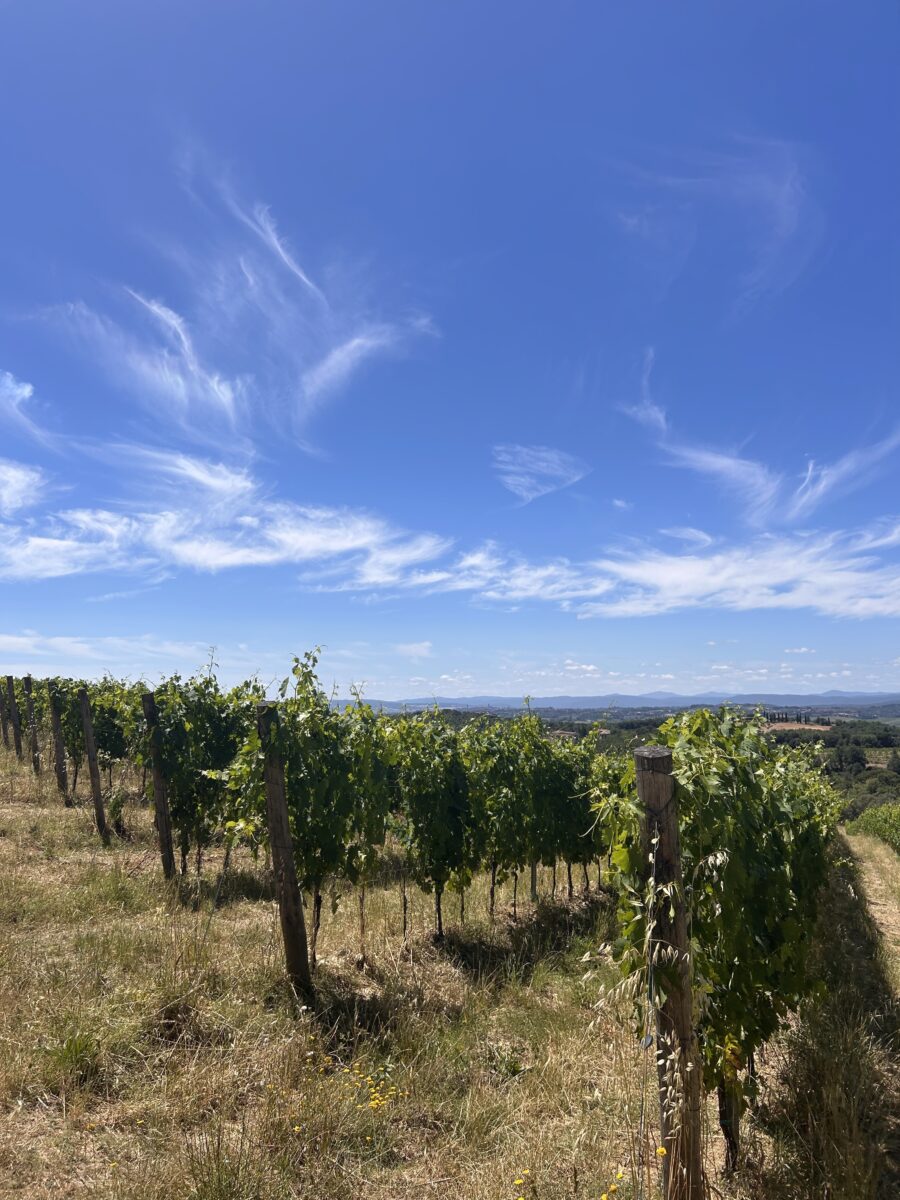
Under the rules of the Chianti Classico region, irrigation is strictly forbidden; the vines must rely entirely on natural rainfall. Fortunately, Terra di Seta’s soil is rich in groundwater, forcing the roots to dig down an impressive 6 meters through layered rock that perfectly retains the winter rains.
Once those grapes are ready, the real challenge begins:
- The Holiday Crunch: The harvest for these Sangiovese grapes (blended with a small percentage of Cabernet Sauvignon) typically falls at the end of September or the beginning of October. This creates a massive logistical puzzle, as it directly collides with the High Holidays and Shabbat, when no work can be done by the Jewish staff. To protect the crop, picking earlier is always preferred to waiting too late.
- The Cellar Lockdown: The strict kosher process kicks in the second the grapes arrive at the cellar, and the initial work must begin immediately within a 5-to-6-day window. If a holiday or Shabbat hits and the rabbi cannot be physically present, Daniele relies on advanced technology, utilizing computers attached directly to the tanks to monitor and control what is needed remotely.
- The Barrel Secret: Even the aging process requires meticulous sourcing. Many standard wine barrels worldwide are sealed using glues derived from animal products. To keep everything strictly kosher, Terra di Seta buys brand-new, animal-glue-free barrels. They reuse them just twice to allow the wine to breathe and absorb the oak before selling them off to ensure the wine can age beautifully for years.
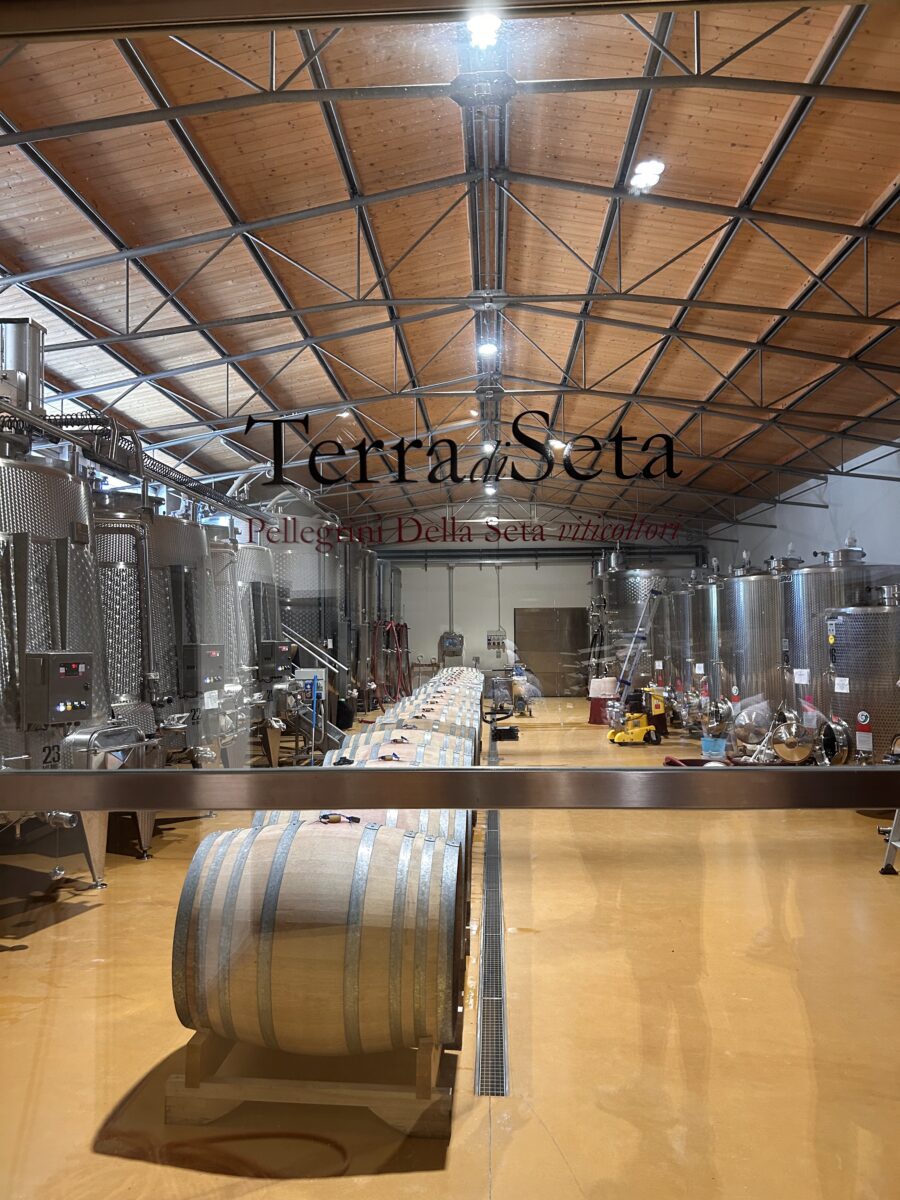
Wine, Cheese, and Sun-Drenched Lunches
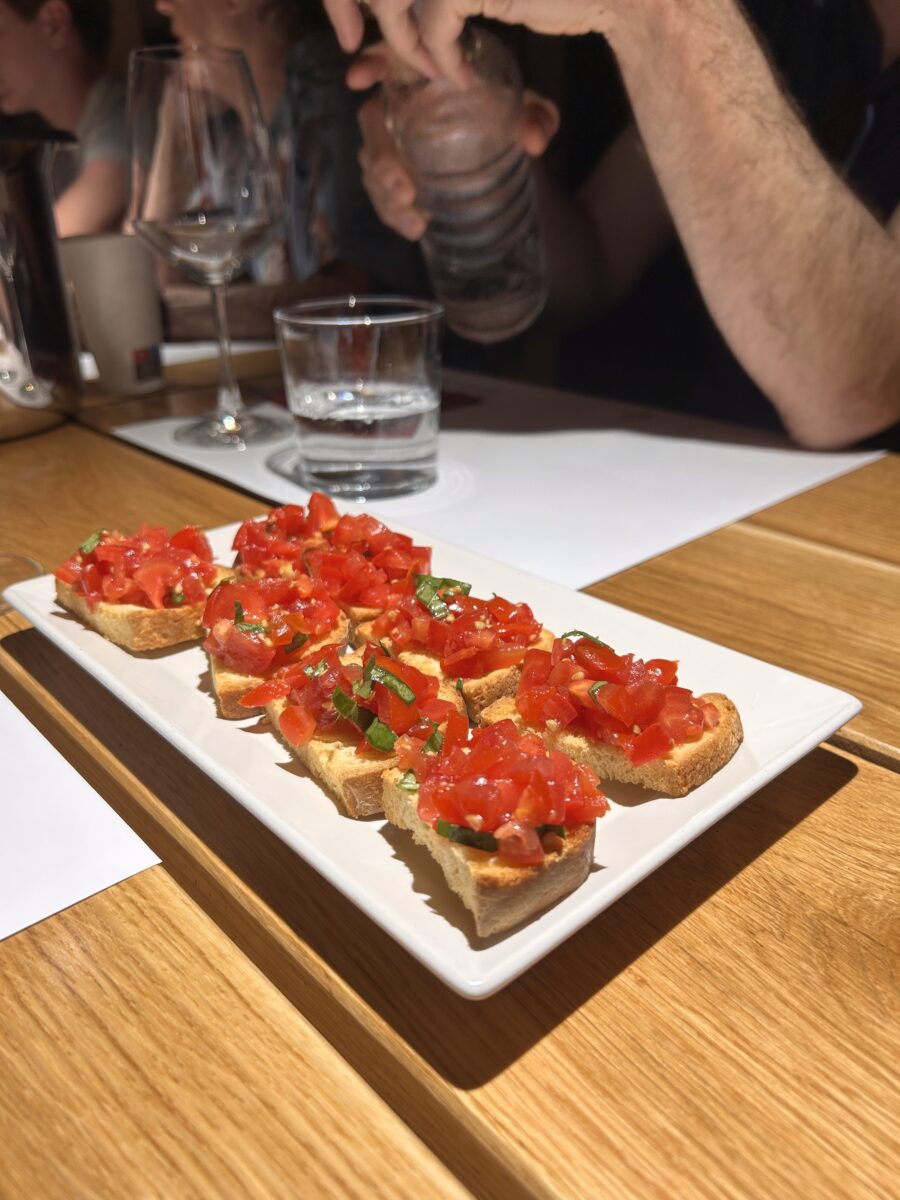
A visit to the estate gives you a firsthand look at what this niche production yields. The standard tasting experience guides you through a selection of their current releases, paired simply with classic kosher bruschetta and local cheeses.Because their wines are non-mevushal, a knowledgeable sommelier is on hand to guide you through the tasting notes, explaining how the grape characteristics shift from the crisp Meshi Rosato to their full-bodied, deeply complex Chianti Classico DOCG.
But the real treat for a traveler is booking a spot for lunch outside. While the winery itself maintains a quiet, serious focus on its production, sitting out on the terrace offers a spectacular, peaceful view of the Sienese countryside.
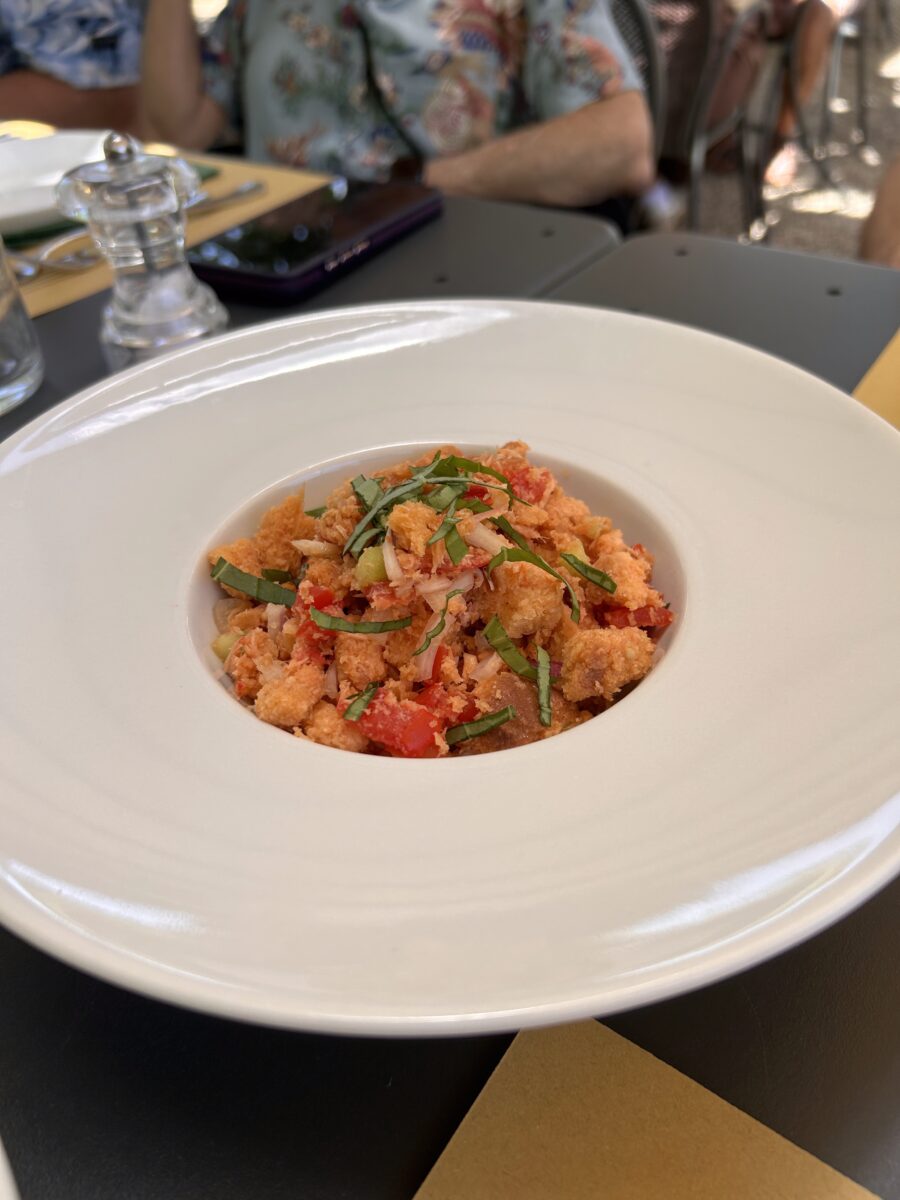
The kitchen serves up an incredible, fresh dairy lunch. It features coccoli—delightful, lightly fried dough pillows sprinkled with sea salt—alongside some of the most spectacular, crusty Italian bread you will taste on your trip. For any kosher consumer who has spent days navigating travel logistics, sitting outside under the Tuscan sun with a basket of perfect bread and a glass of estate wine is an incredibly unique find.
Good to Know Before You Go
While Terra di Seta also operates a small, quiet on-site hotel for overnight guests, it functions primarily as a destination for daytime visits. If you are exploring the broader region, it’s worth noting that there is another kosher food option located closer to Pisa, but Terra di Seta remains the definitive, central culinary stop for a sit-down restaurant meal in the heart of Chianti.
As a proud representation of the small, historic Jewish community of Siena, this winery is a remarkable bridge between ancient Italian agricultural traditions and halachic integrity. It’s a must-visit corner of Tuscany that proves you can experience world-class terroir while keeping completely true to tradition.




Leave a Reply