


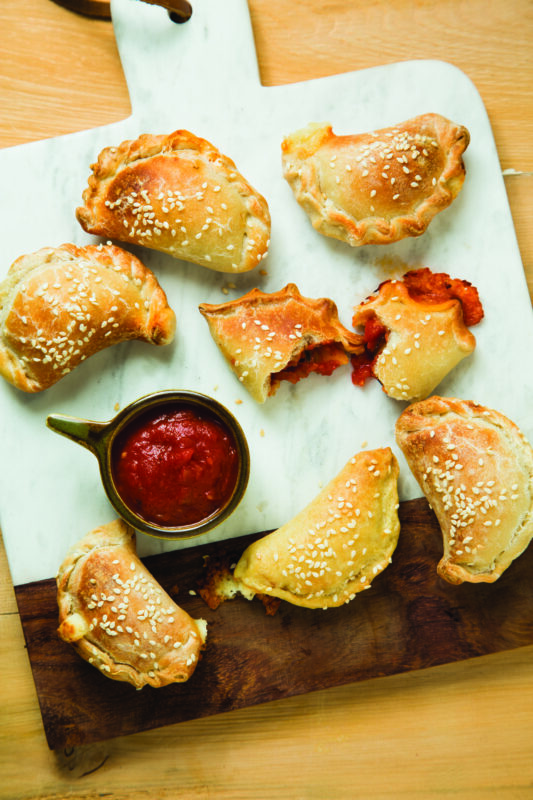
Curry leaves, fenugreek, and multi-colored mustard seeds aren’t part of every day Ashkenazi fare. Integral to Indian foods, they are all part of the vast sweep of Jewish cuisine that includes distinct Indian- Jewish communities.
Kolkata (Calcutta), Cochin and Mumbai (Bombay) were home to the largest Jewish communities for centuries, and yet were relatively unknown to the West. There were smaller Jewish communities dotted throughout the Indian subcontinent. They developed food ways deeply influenced by their neighbors, from spices to techniques.
The communities, all located in different states, arrived at different times.
In Cochin, Jews settled over a thousand years ago. Calcutta’s original community arrived as merchants in the 17th century but in the 19th century there was a consequential influx of Jews from Baghdad and other countries of the Middle East. The foods they ate remain distinct from one another. The Baghdadi Jews strongly influenced the food of all of their neighbors of every faith.
The Benei Israel of Mumbai left ancient Judea in the time of King Solomon, on a merchant ship. The boat was shipwreck on the shore. The survivors set upon creating a new life, isolated from all Jewish contact. Yet, they continued to observe the Sabbath, eat no pork or shellfish and follow ancient traditions to the curiosity of their neighbors. There was great doubt that they were truly “Jewish” but DNA testing proved they were indeed exactly what the claimed- to be from the line of Judah.
Today, Jewish style dishes often crop up at family meals and at Indian restaurants and flavorful pastries from across the Middle East and Asia crop up as festive holiday treats.
Sambusak, is a savory pastry often filled with mashed chickpea or cheese found around the Middle East. Since they are pockets with hidden fillings they have become a popular Purim treat. Check out a few our favorite recipes for different types of sambusak.
Indian-spiced Apricot and Mango Stuffed Sambusak
Scroll to continue
More Love
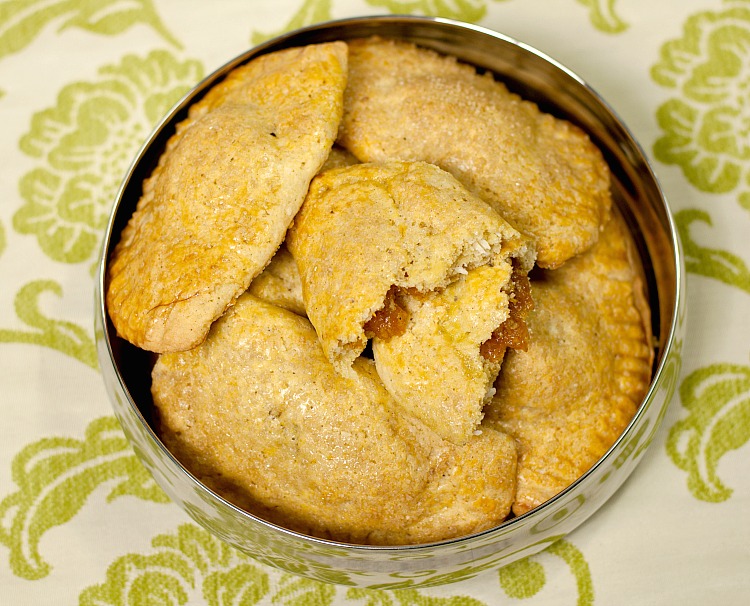
These are a new kind of Purim treat. They are a cross between Purim’s traditional hamantaschen, the savory filled empanada-like pastry known as Sambusak, and the malpua, a sweet stuffed pancake enjoyed by the Bene Israel, India’s Jewish community. The traditional malpua is a sweet stuffed pancake made with pineapple, almonds and other fruits and nuts. This version also incorporates Silk Road flavors into its yummy filling. It’s a delicious way to introduce some new flavors–and to learn about a Jewish community with a storied past that is unfamiliar to most Jews.
Duck, Apricot and Pistachio Sambusak
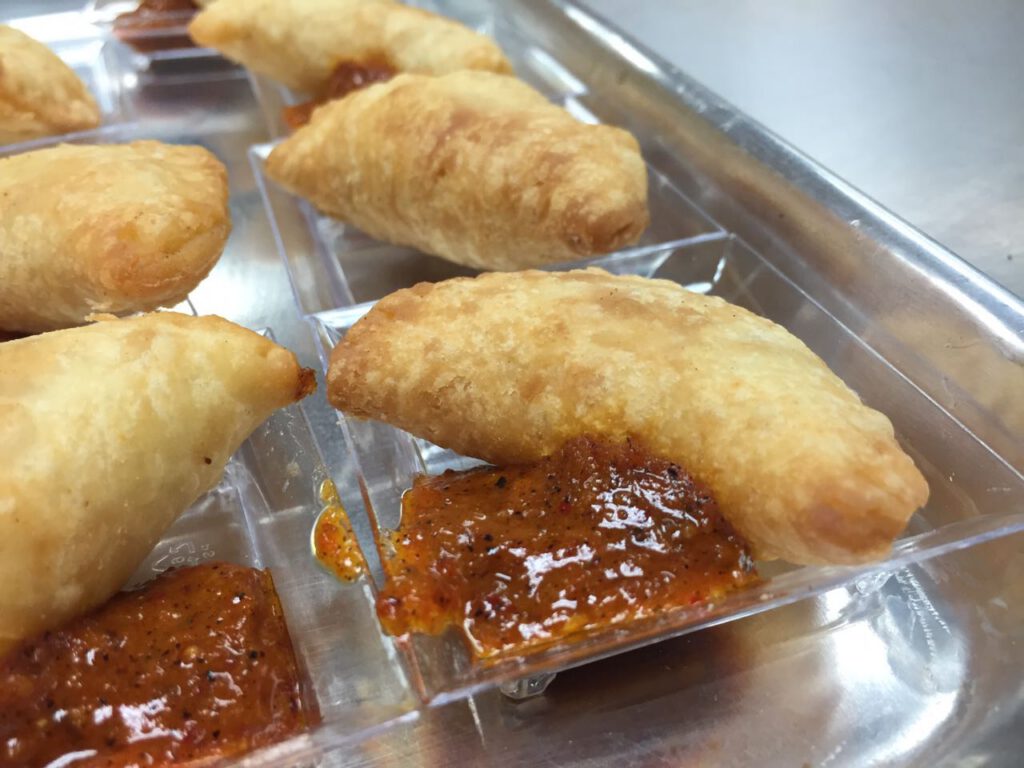
A gourmet adaptation of sambusak with duck and pistachios, these are for when you get a little bit fancy.
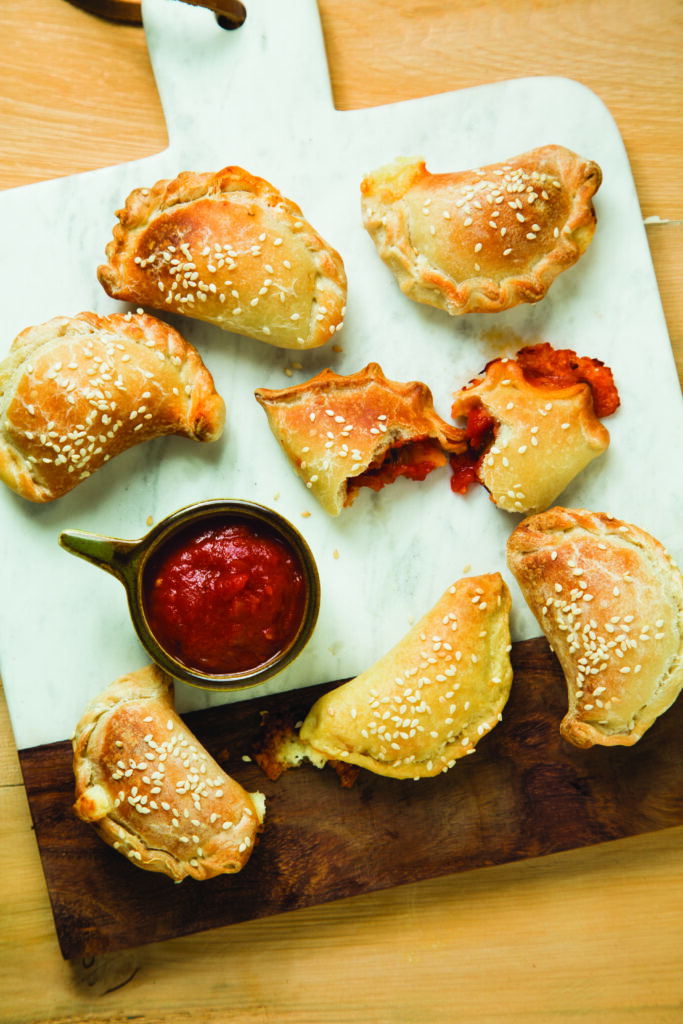
This version of sambusak is a modern American adaptation with everyone’s favorite combo flavor, pizza.
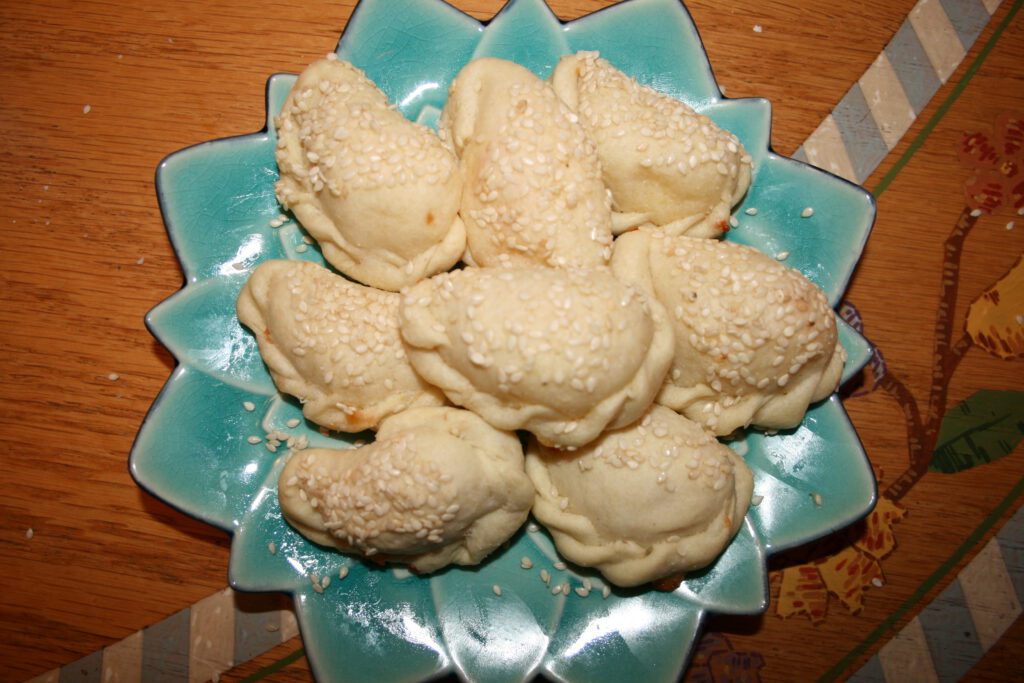
This healthy and traditional version of sambusak fills the pastry with chickpeas.
Try our recipes for sambusak and find your favorite.



Interesting… Those remind me of our Burekas or Travados except that the filling is made of nuts and honey. Traditionally, we make them for Rosh Hashana (coated with honey syrup) or/and Sukkot but I also like to make them for Purim along with Folares. I am curious to try Sambusak and to compare. Thank you.