


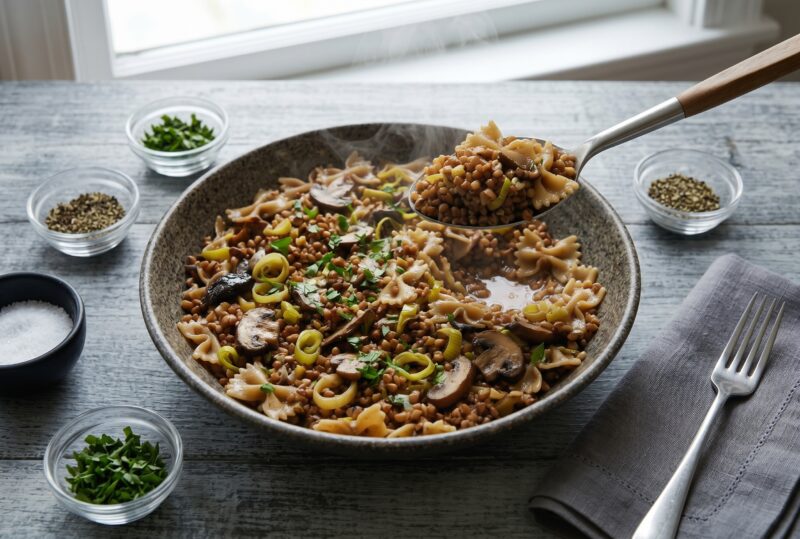
If you grew up in an Ashkenazi Jewish household, the word buckwheat probably conjures a very specific culinary memory: kasha varnishkes. Steaming bowls of earthy, toasted kasha tossed with bow-tie pasta, caramelized onions, and plenty of schmaltz.
For generations, kasha was a staple of Eastern European Jewish cooking—a hearty, budget-friendly comfort food that warmed us through cold winters. But if you think buckwheat stops at old-school kasha varnishkes, you’re missing out on one of the most versatile, nutrient-dense ingredients in modern cooking.
Let’s take a look at where buckwheat comes from, why it’s so good for you, how to use all its different forms, and how to turn it into your new favorite homemade cracker.
The Roots of Kasha: A Brief History
To understand buckwheat’s place in Jewish tradition, we have to look to Eastern Europe. Buckwheat originally traveled from Southeast Asia across Central Asia and into Russia and Eastern Europe around the 14th century.
In Yiddish, Eastern European languages, and Russian, kasha originally referred to any cooked grain porridge. Over time, as buckwheat became the primary grain crop grown in poor, sandy soil across Eastern Europe, “kasha” became almost synonymous with roasted buckwheat groats.
When Jewish immigrants arrived in New York’s Lower East Side in the late 19th and early 20th centuries, they brought their love for kasha with them. It was paired with bow-tie pasta (varnishkes, derived from the Ukrainian varenyky), creating the beloved, ultimate comfort dish we know today.
What Exactly Is Buckwheat? (And Why You Should Eat It)
Despite its name, buckwheat is not a type of wheat at all. It isn’t even a true grain!
Buckwheat is a pseudograin—a seed from a flowering plant related to rhubarb and sorrel. Because it has no relation to wheat, it is 100% gluten-free and naturally safe for anyone with celiac disease or wheat sensitivities.
Scroll to continue
More Love
How To Cook Turkey London Broil
How to cook turkey london broil? 1. Marinate 2. Roast in a 375˚ F. oven for approximately …
73 Israeli Food Recipes You Need To Try
Yom Haatzamut is just around the corner (in 2021 it will be celebrated from the night of …
Health Benefits of Buckwheat:
- Rich in Fiber & Resistant Starch: Promotes healthy gut bacteria and aids digestive health.
- Low Glycemic Index: Unlike refined grains, buckwheat provides steady energy without spiking blood sugar.
- Packed with Antioxidants: High in rutin and quercetin, plant compounds that support cardiovascular health and reduce inflammation.
- Complete Plant Protein: Contains all nine essential amino acids, making it an excellent plant-based protein source.
- Heart-Healthy Minerals: High in magnesium, copper, manganese, and iron.
Know Your Buckwheat: Raw, Toasted, & Flour
Buckwheat comes in three main forms, each bringing a unique texture and flavor to the table:
1. Raw Green Buckwheat Groats
Unroasted buckwheat groats are light green or pale tan with a mild, slightly grassy flavor. Because they haven’t been toasted, they soften easily when soaked or simmered and blend smoothly into sweet or savory recipes.
- Best used for: Raw porridges, overnight breakfasts, sprouting for salads, or blending into grain-free batters.
2. Toasted Brown Buckwheat (Kasha)
When raw groats are roasted, they turn deep brown and develop a distinctly nutty, robust flavor. This is what you buy when a box is labeled “Kasha.”
- Best used for: Classic grain side dishes, stuffing, pilafs, and nostalgic comfort bowls.
3. Buckwheat Flour
Made by grinding whole groats, buckwheat flour adds a lovely earthy undertone and deep color to baked goods. You can buy it pre-ground at the store or easily make your own at home by pulsing raw or toasted groats in a high-speed blender or grain mill until fine!
- Best used for: Pancakes, galettes, gluten-free bread, quick breads, and savory crackers.
Delicious Ways to Cook with Buckwheat
Whether you want classic Ashkenazi comfort or modern grain-free recipes, buckwheat easily spans both worlds:
Old-School & Savory Favorites
Classic Cabbage Leek Kasha Varnishkes
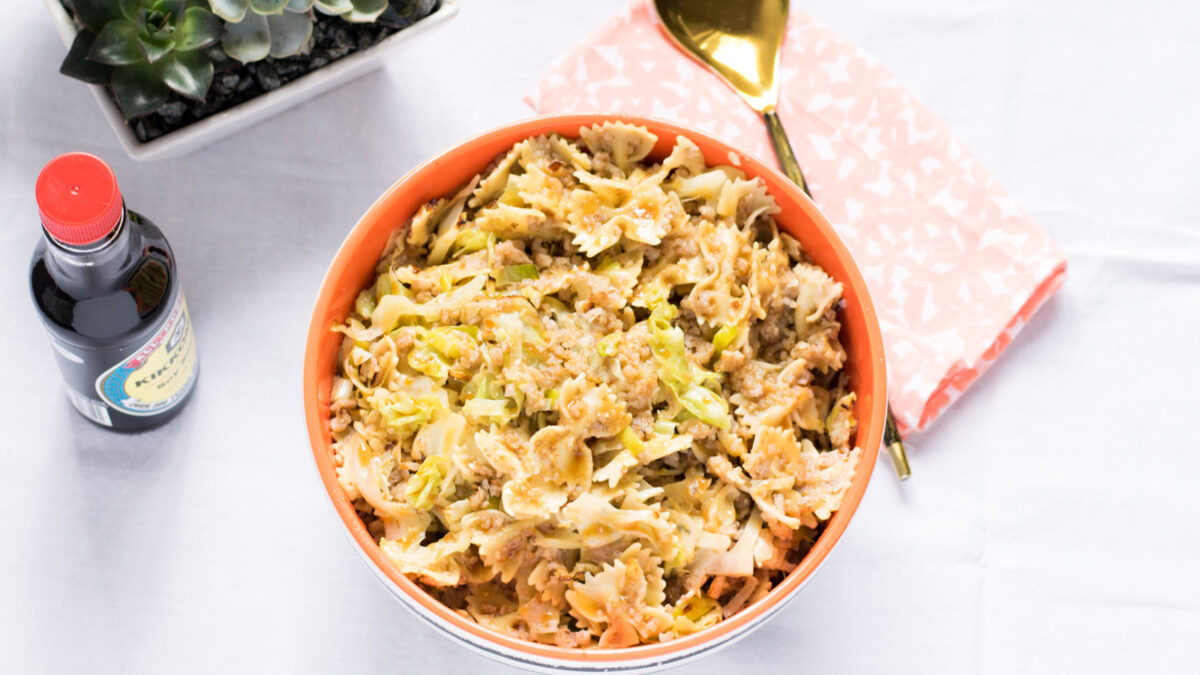
A fresh update on the classic dish with sweet leeks and tender cabbage.
Kicked-Up Kasha Varnishkes with Porcini Gravy
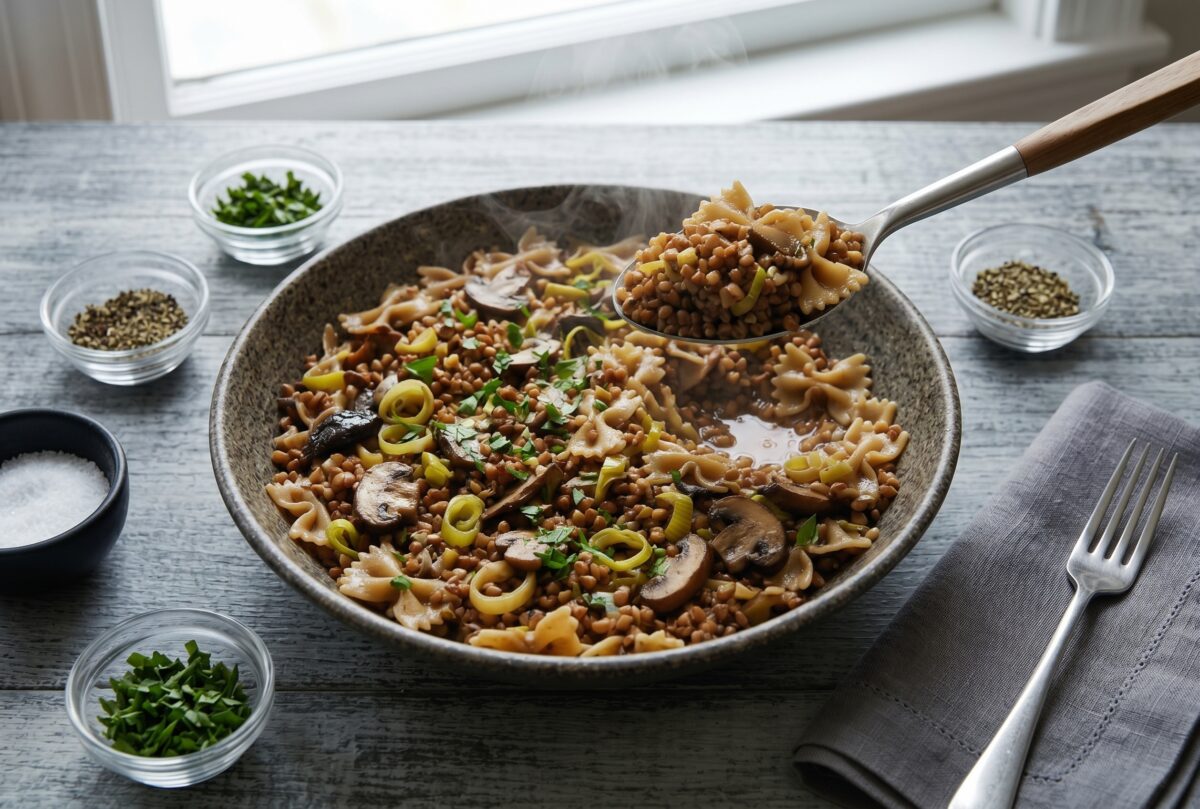
Deep, savory umbrella flavor elevated with rich porcini mushrooms.
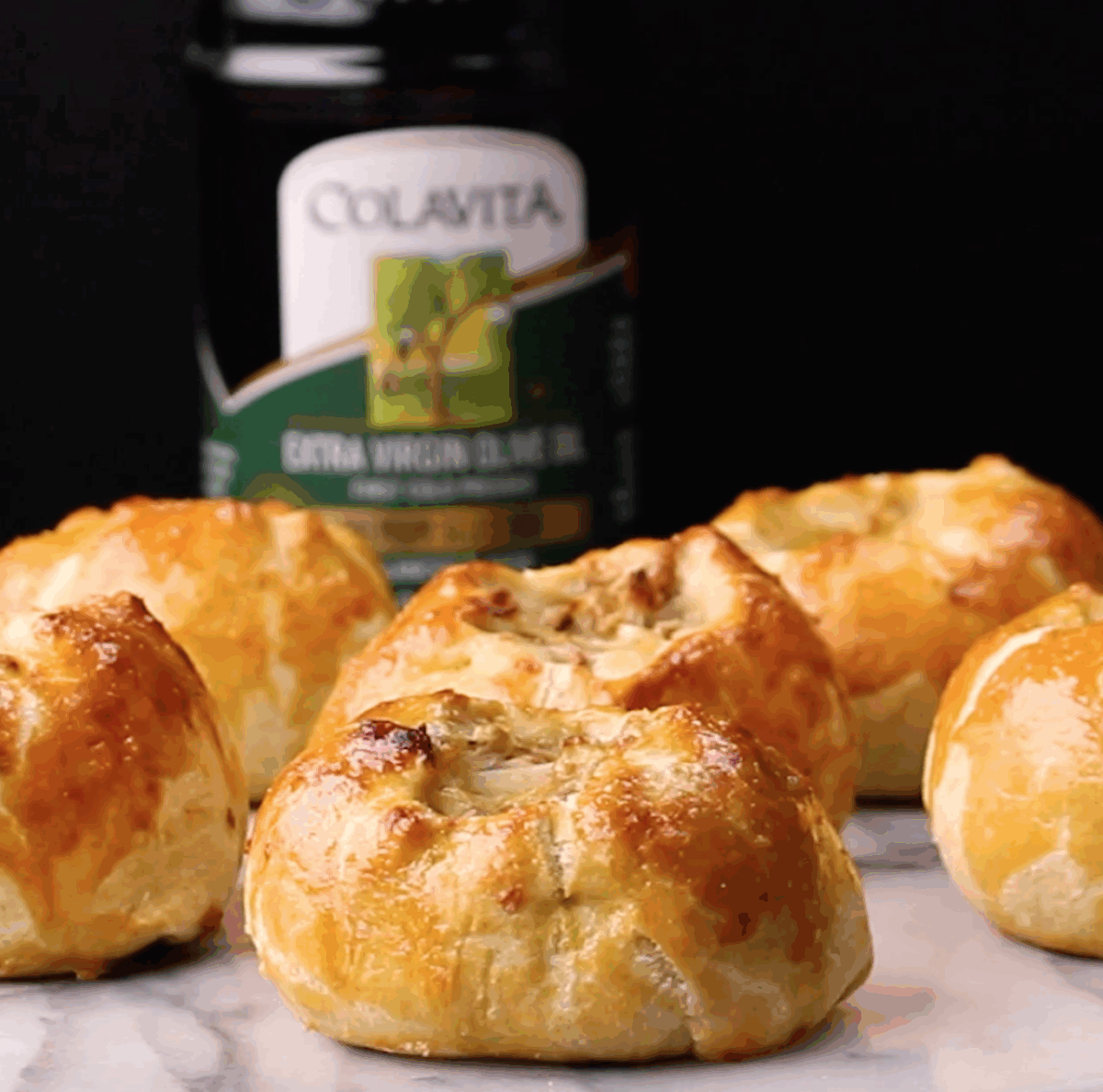
Pillowy bakery-style knishes stuffed with seasoned kasha filling.
Halibut Pockets with Spiced Olive Tapenade and Kasha
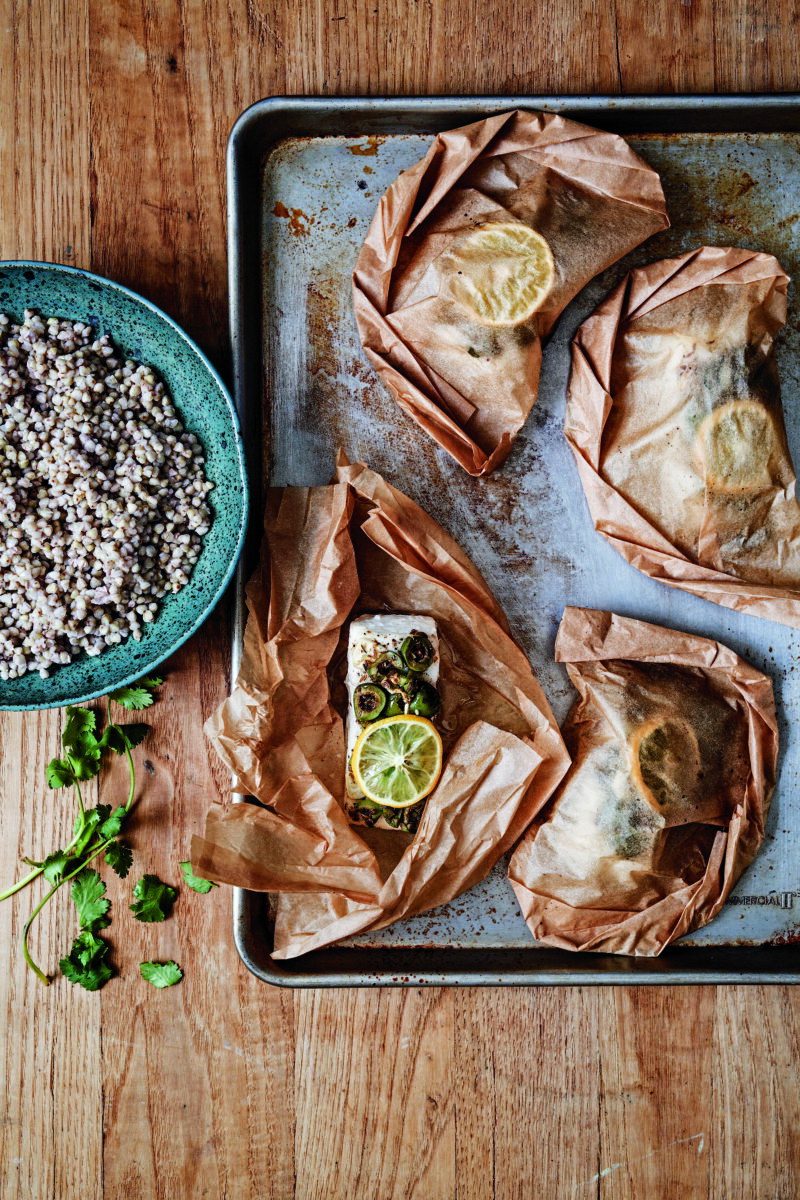
A elegant fish dinner where toasted kasha acts as an aromatic bed.
Kasha with Brassica Vegetables
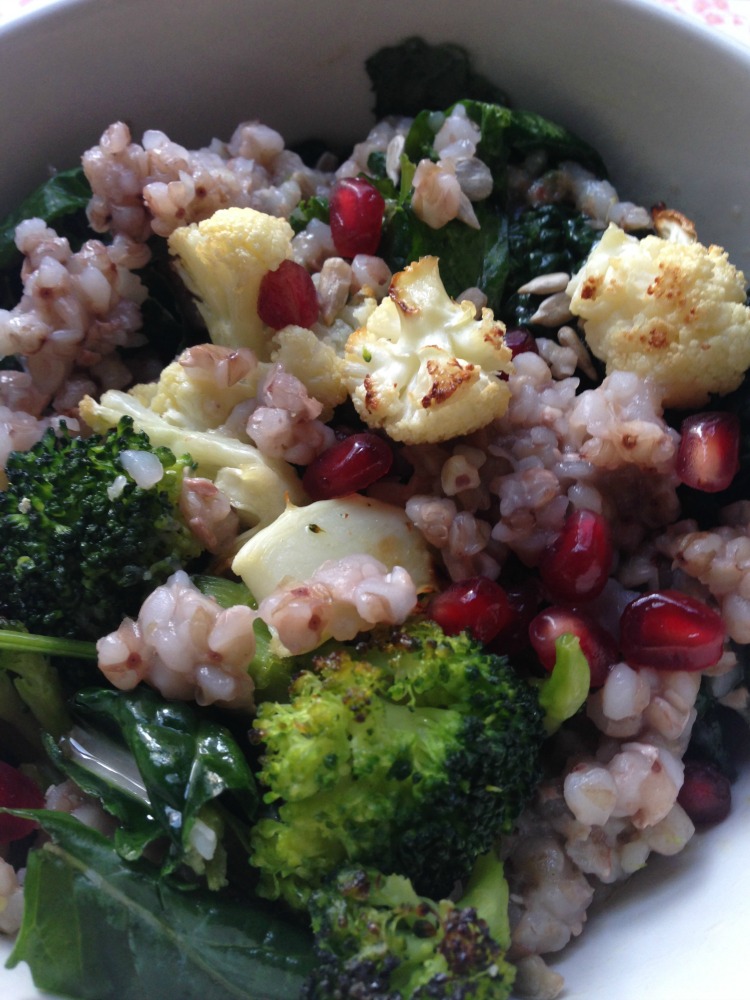
Roasted broccoli and Brussels sprouts tossed with nut-like kasha groats.
Modern & Global Variations
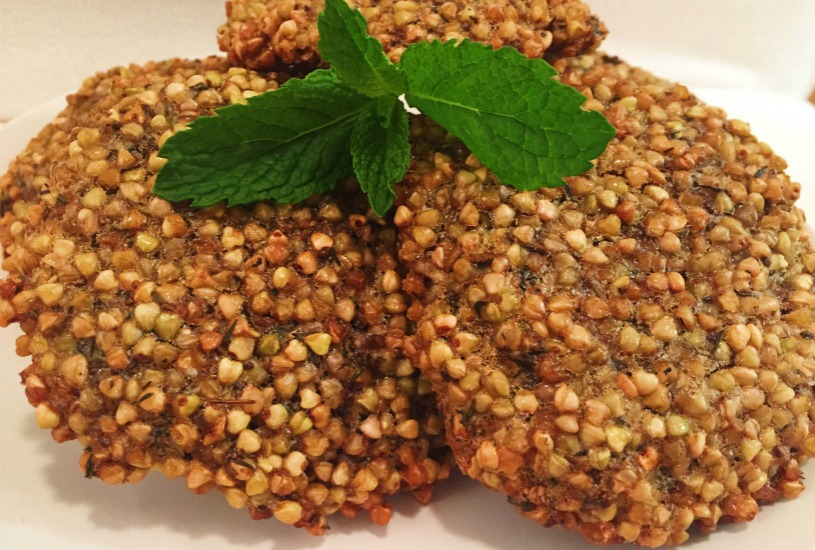
A hearty, plant-based veggie burger that holds its shape beautifully.
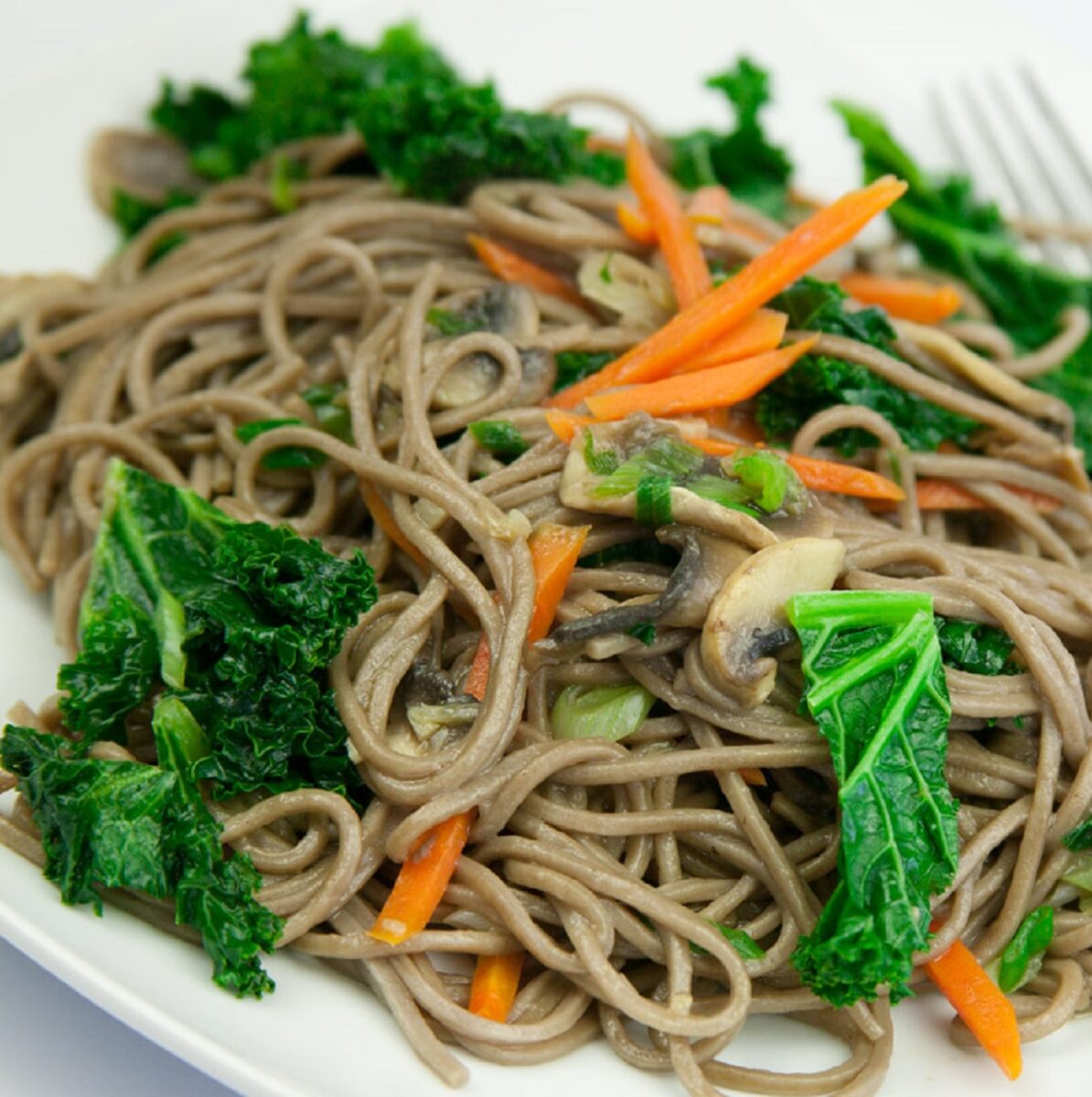
Japanese soba noodles (made from buckwheat flour) tossed with quick vegetables.
Buckwheat Crepes / Galette with Fresh Fruit

Traditional French-style thin crepes made with earthy buckwheat flour.
Cinnamon Blueberry Buckwheat Chia Muffins
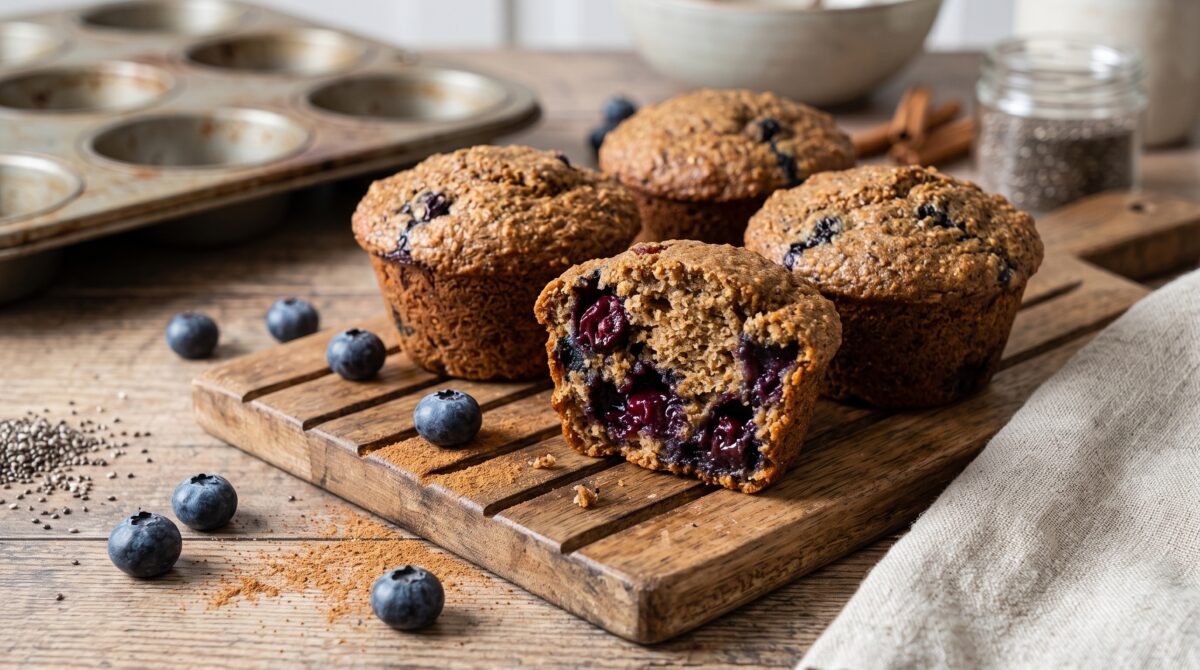
Tender, nutritious breakfast muffins packed with berries and seeds.






Leave a Reply