


Last year I was asked to share recipes for someone on the Specific Carbohydrate Diet (SCD). To be honest, I had never heard of the diet, but she pushed and said that it was very popular and to see if we could work on creating some recipes specifically for people following this diet.
So it took some time, but I researched the diet and while I am never a proponent of excluding anything from my diet over the long term I definitely see the value in this diet for those with digestive problems and even for anyone looking to reboot.
Here is the premise of the SCD diet.
The SCD diet is based on principles studied in the 1950s to treat people with digestive disorders like ulcerative colitis. It excludes foods with grains, sugar, starch and anything processed. It is based on the idea that many people have trouble digesting the complex carbohydrates and sugars in our diet, by eliminating this problem, the gut can heal. This diet includes natural foods, fermented foods and a group of foods which are grain-free, sugar-free, starch-free, and unprocessed. While removing many foods that are toxic and digestively harmful, the diet remains natural, extremely nourishing and representative of what our ancestors ate.
Below are a few flavorful and filling recipes created with the SCD diet in mind. EnJOY!
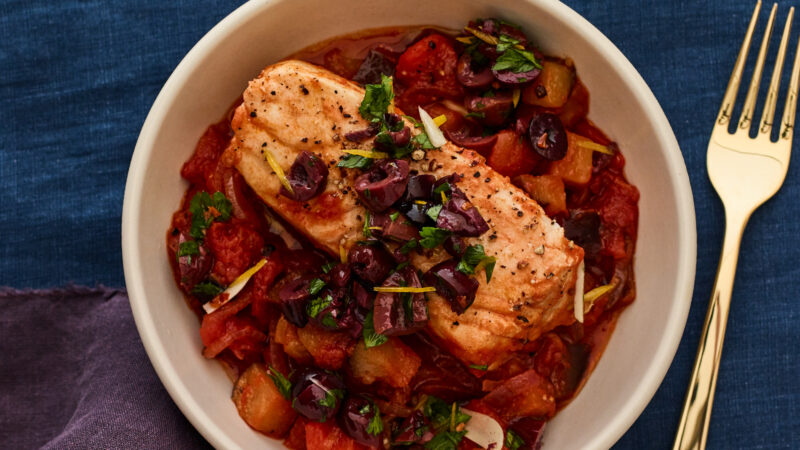
POACHED HALIBUT WITH SMOKY OLIVE TOPPING
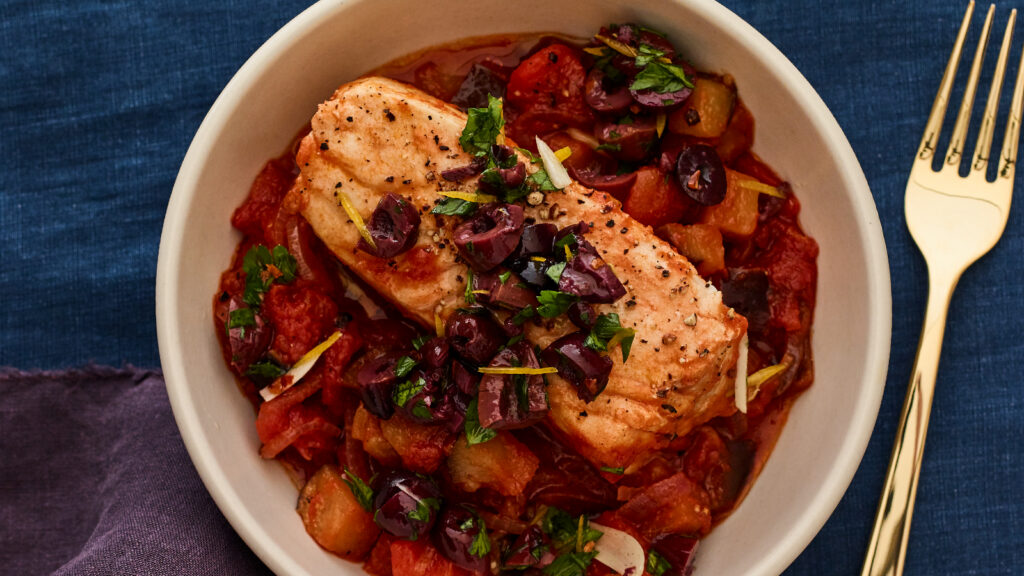
The ingredients in this dish are easy to digest and make for a healthy and hearty dinner. Serve with Smoky Olive Topping.
Scroll to continue
More Love
How To Cook Turkey London Broil
How to cook turkey london broil? 1. Marinate 2. Roast in a 375˚ F. oven for approximately …
73 Israeli Food Recipes You Need To Try
Yom Haatzamut is just around the corner (in 2021 it will be celebrated from the night of …
ZUCCHINI NOODLES WITH PUTTANESCA
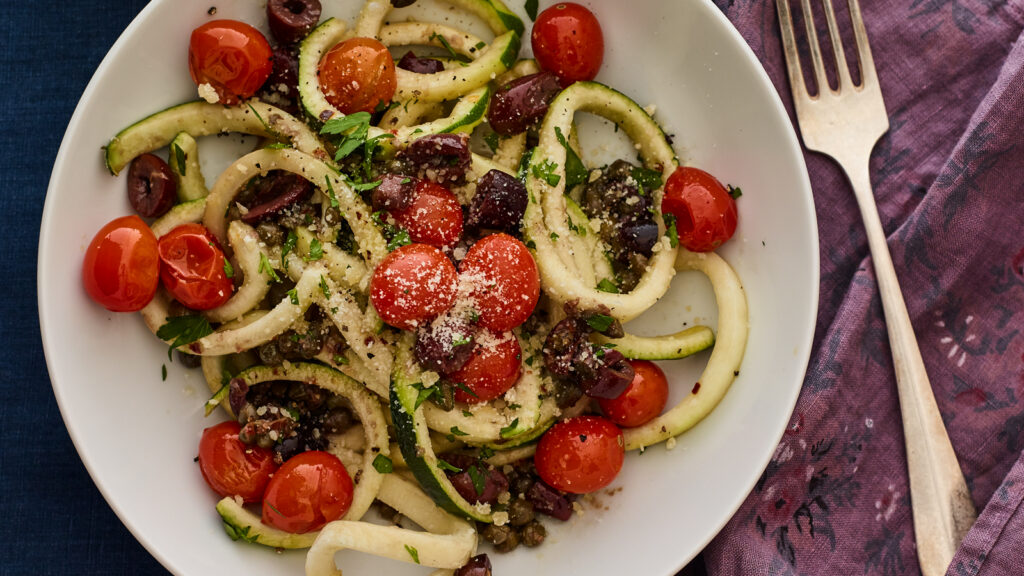
Puttanesca sauce is full of flavor from the olives and capers, which makes it the perfect sauce for low carb zucchini noodles.
PAN ROASTED STEAK WITH CHARRED LEMON CHIMICHURRI SAUCE
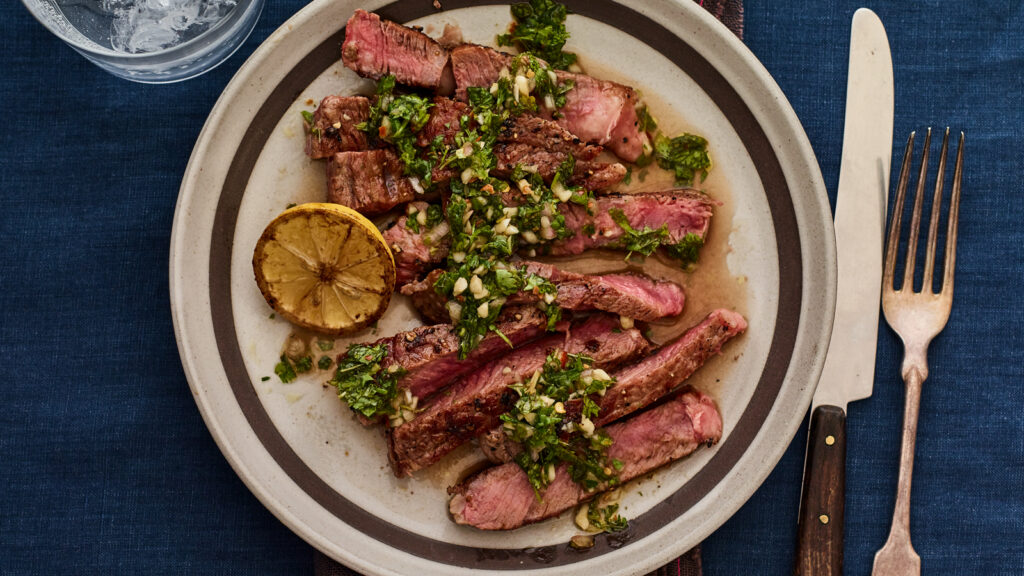
Everyone can enJOY steak as part of a healthy diet and this flavorful sauce keeps it fresh and simple.
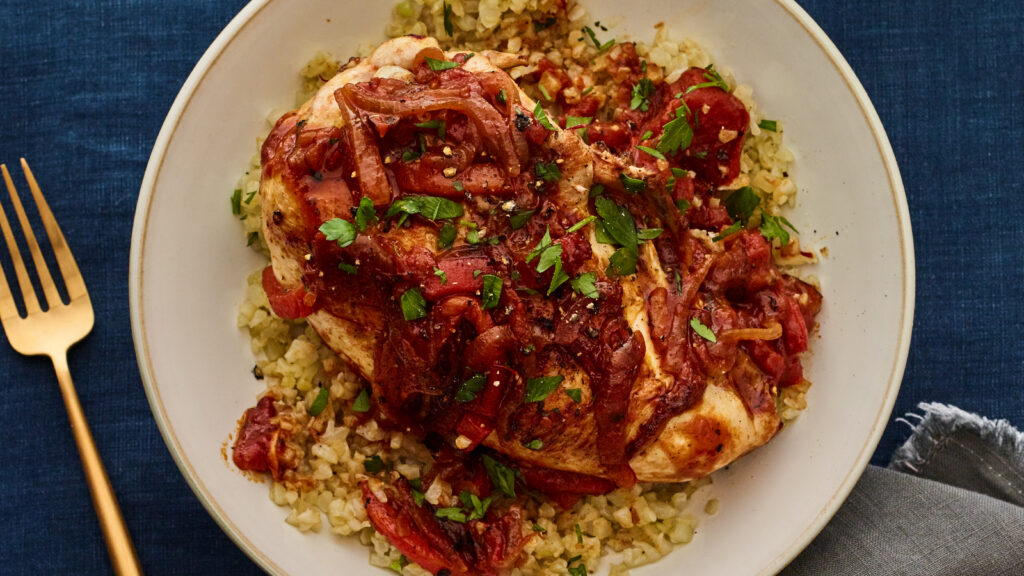
For this traditional Spanish dish used Cauliflower Rice as a substitute for the real thing.
Want more recipes delivered straight to your inbox? Sign up now for the Jamie Geller weekly newsletter.




Thanks for writing Miriam and your great point that a Doctors care is important. I think one difference between the this and the FODMAP is that this is suggested as a lifestyle, not a temporary solution. Nice to meet you and see you on the site.
Tamar Genger MA, RD
Executive Editor
http://www.joyofkosher.com
http://www.facebook.com/joyofkosher
Twitter @joyofkosher
As a fellow RD, I’m curious how this
differs from a low FODMAPS diet? It sounds similar, though perhaps not entirely the same. Also, readers should keep in mind that while diet is a key component in treating digestive illnesses, they should still be under the care of a gastroenterologist, as there are multiple factors that contribute to digestive illness, some of which need to be closely monitored to prevent the need for medications or surgery, though these are sometimes necessary treatments.