


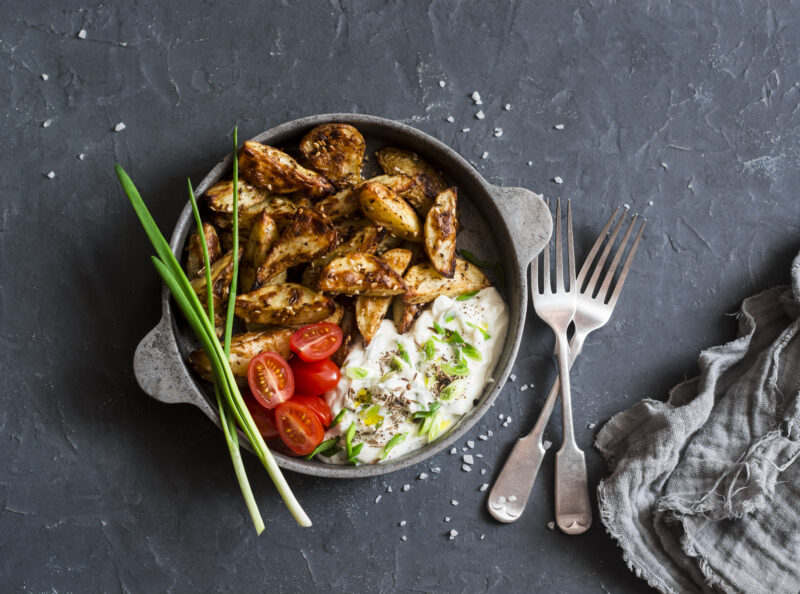
I have an intense love-hate relationship with spring. While I’m always excited to shed layers of coats and hats, I’m often disappointed by early spring produce. There is nothing to eat that truly screams SPRING!
I call March, April, and early May the “hungry months.” Just as we are ready to get outside and lighten up our menus with bright, springy flavors, Mother Nature is holding out on us. It is not until late May that the bolder flavors of the season start appearing in the markets. There is one beautiful, delicious exception: Spring Onions.
What Are Spring Onions?
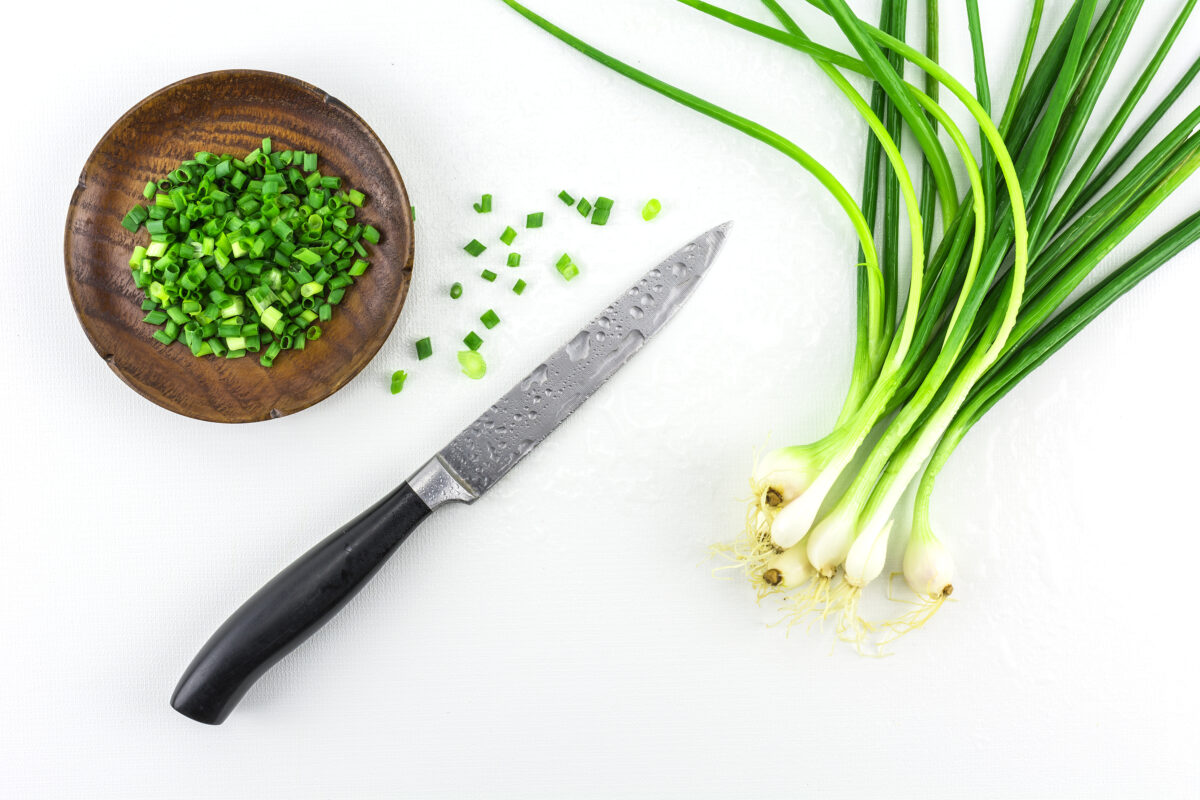
Spring Onions are immature bulb onions that have not been allowed to fully develop. They are typically harvested in early spring when they have a small, underdeveloped bulb—larger than a scallion’s base, but much smaller than a mature yellow or white onion.
The Difference: Just using these sweet members of the Allium family makes any recipe feel sprightly and brighter in flavor, making them the perfect antidote to the “hungry months.”
Flavor Profile: They are significantly sweeter and milder than their mature counterparts, offering a fresh, soft onion-garlic quality.
Are the Spring Onions the Same as Scallions or Green Onions?
This is one of the most common kitchen questions! The short answer is: No, they are not the same.
- Spring Onions have a defined, small, round or oval bulb at the base.
- Scallions (or Green Onions) have a white base that is straight and lacks a noticeable bulb.
Scroll to continue
More Love
Hebrew English Meat Guide For Israel
Ever since we shared this Israel Substitution Guide, the one question we get asked all the …

Best Recipes for Shabbat Lunch
The Shabbos lunch menu must feature make-ahead dishes that can withstand the …
While they are botanically different, they can be used interchangeably in most recipes due to their mild flavor. They are both super fun and versatile ingredients!
Versatile Uses for Spring Onions and Scallions
These mild alliums can be used in countless ways, from the grill to the frying pan. Use the entire plant, from the bulb to the bright green tip.
- Grilled: Sear the whole thing on a grill as a succulent, pungent vegetable side dish. Grilling brings out their natural sweetness.
- Raw Garnish: Thinly slice them to top salads, tacos, eggs, or soups for gorgeous bright green color and a subtle onion bite.
- Base Flavor: Sauté them as you would onions to create a milder, fresher base for soups, stir-fries, and casseroles.
- Garnish: Use the green tip as a string to wrap other vegetables or cheeses, much like chives, for a cute appetizer presentation.
- Scrambles: Throw the sliced whites and greens into an omelet or scramble for instant color and flavor.
Along with their relative shallots, scallions can be traced back to the Greek askolonions, which are believed to originate from the town of Ashkelon, in modern-day Israel. They last for about a week in the crisper drawer of your fridge, or if you are neglectful with your produce, you can simply peel off the outer layer if it starts to yellow or wilt.
Regrow Your Scallions at Home (Simple How-To)
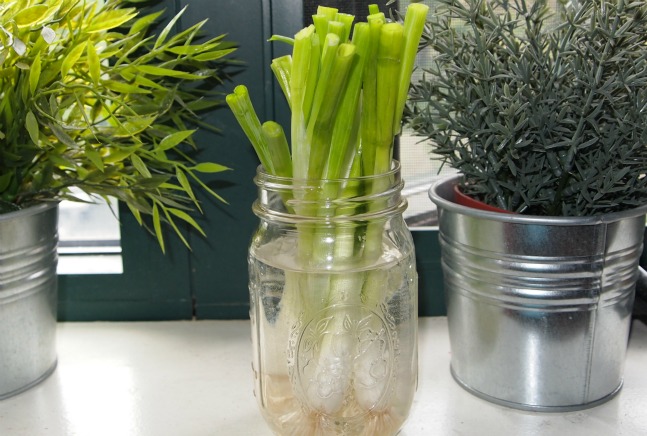
Did you know you can get a second, or even third, harvest from your spring onions or scallions? It’s a great way to stretch your dollar and always have a fresh garnish on hand.
- Preserve the Root End: Use most of the scallion as you normally would, but preserve the root end with about one inch of the white part intact.
- Place in Water: Place the root-side down in a small glass or jar filled with a half-inch of water. The roots will balance better if you cluster them together.
- Find a Sunny Spot: Place the jar on a window sill or near a window where they are exposed to light.
- Wait and Watch: You will see how fast they grow! In about a week, you will have more yummy green tips to harvest.
You might not be able to repeat this process more than once or twice, but it is an easy way to get fresh, free greens!
Now, let’s get cooking! Try making your own caramelized spring onions—the perfect condiment—and then use them as a base for all of these delicious early spring recipes.!
Recipes with Scallions







Leave a Reply