What is Rosh Hashanah?
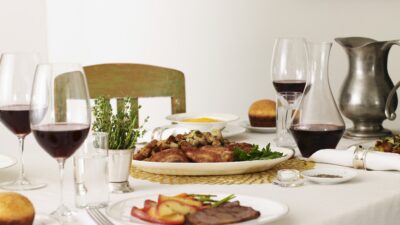
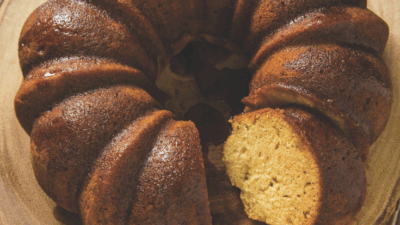
Rosh Hashanah is the Jewish new year. Instead of fireworks and champagne we celebrate with family, food and the sounding of the shofar. Rosh Hashanah kicks of the beginning of a month long celebration of holidays on the Jewish calendar.
When is Rosh Hashanah?
Rosh Hashanah is a two-day celebration that begins on the the first of Tishrei. It usually falls in September.
How is Rosh Hashanah Celebrated?
On Rosh Hashanah we go to synagogue for special days of praying different from the rest of the year. We listen to 100 blasts of the shofar, a ram’s horn, to wake us up and get our attention.
It is a time of introspection and a time to ask forgiveness from G-d and others we may have wronged. It is a time to reflect on the past and plan for a new beginning.
What are Simanim?
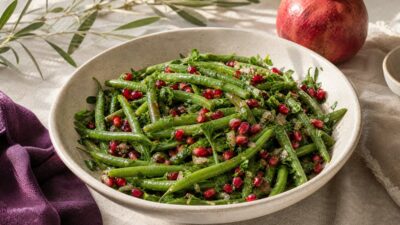
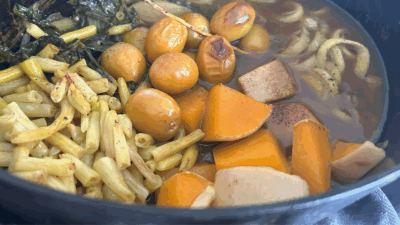
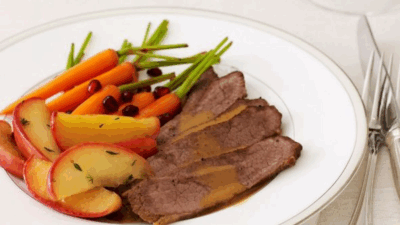
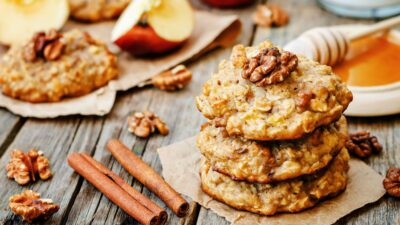
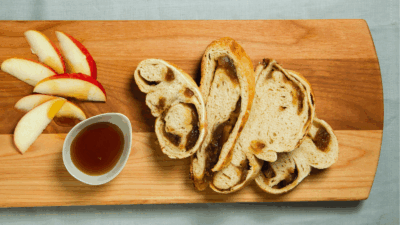
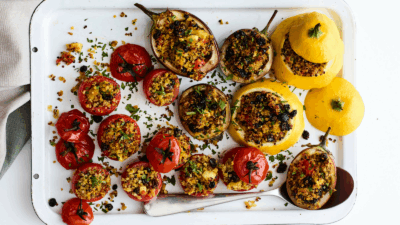
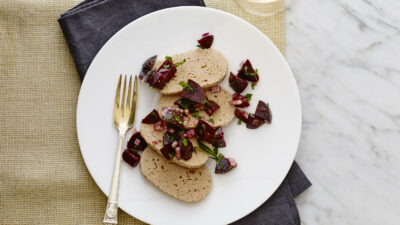
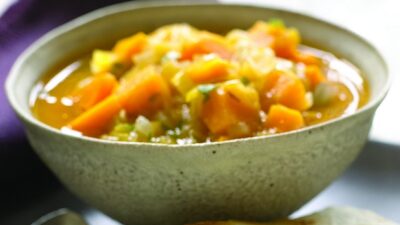
A popular custom to help bring in the new year is with symbolic foods, called simanim, that are meant to point the way to improved circumstances. The most well known siman is dipping apples and honey to help us have a sweet new year, but it doesn’t stop there. Traditional Jews make it a point to eat these special foods (that include spinach, leeks, gourds, cabbage, carrots, pomegranates and dates), preceded by a heartfelt prayer connected to the character of the food. There’s even a custom to pray that in the coming year we will be at the head, rather than at the tail end, of good fortune.
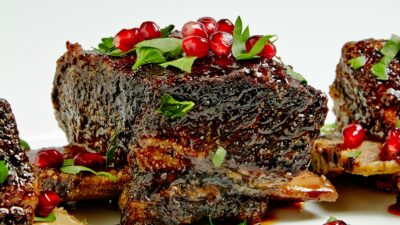
We also enjoy a new fruit on the second night of the holiday. Something new for the season that we have not eaten for a year. Pomegranates have been a favorite new fruit.
Guide to Simanim
APPLE DIPPED IN HONEY “May it be your will, Hashem our G-d and the G-d of our forefathers, that you renew for us a good and sweet year.”
BEETS or SPINACH “May it be your will, Hashem our G-d and the G-d of our forefathers, that our adversaries and persecutors be removed.”
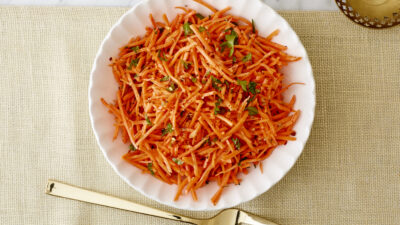
CARROTS “May it be your will, Hashem, our G-d and the G-d of our forefathers, that you decree good decrees upon us.”
DATES “May it be your will, Hashem our G-d and the G-d of our forefathers, that our enemies be consumed.”
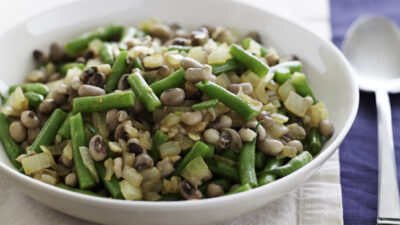
FENUGREEK or BLACK-EYED-PEAS “May it be your will, Hashem our G-d and the G-d of our forefathers, that our merits increase.”
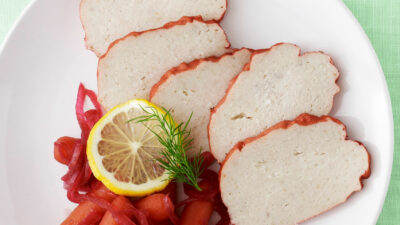
FISH “May it be your will, Hashem our G-d and the G-d of our forefathers, that we be fruitful and multiply like fish.”
GOURDS “May it be your will, Hashem our G-d and the G-d of our forefathers, that the decree of our sentence be torn asunder; and may our merits be proclaimed before you.”
HEAD OF A SHEEP or FISH “May it be your will, Hashem our G-d and the G-d of our forefathers, that we be as the head and not as the tail.”
LEEKS or CABBAGE or CHARD “May it be your will, Hashem our G-d and the G-d of our forefathers that our enemies be decimated.”
POMEGRANATES “May it be your will, Hashem our G-d and the G-d of our forefathers, that our merits increase as (the seeds of) a pomegranate.”
Download our printable Simanim guide here.