


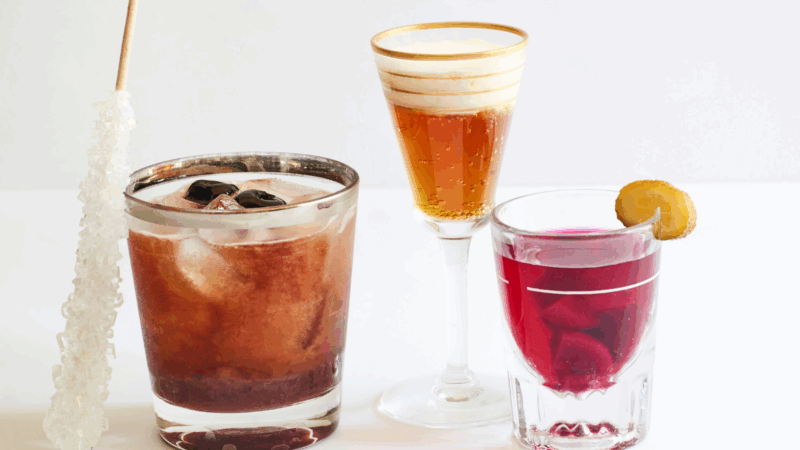
It isn’t just for ad execs on Madison Avenue, cocktails have always been a part of popular culture. Until recently, I had only ever tried the basics, Martini (not my thing, Bond can keep it), Gin and Tonic, Screwdrivers, Margaritas and Mojitos. Once I started to really enjoy wine I didn’t even consider cocktails except on vacation to a tropical destination. Over the years, friends and Shabbat guests would enjoy single malt scotch and bourbon, but straight liquor was never that appealing to me. Maybe I owe a debt of gratitude to Don Draper, but we are now living during a renaissance of the cocktail culture and my rocks glass will never be the same.
Taking center stage alongside the food at any fine new restaurant, are creative cocktails featuring fresh fruit, herbs, artisanal liquors and savvy combinations from thoughtful bartenders. The most interesting menu in town, more often than not, is the cocktail menu.
Craft distilleries, small producers making their own whiskeys, rum, gin and liqueurs, are leading the way and encouraging wine drinkers to put aside preconceived notions of mixed drinks and try something new. Bartenders are shaking things up with new flavors, from savory to sweet and spicy.
For kosher consumers, we have it pretty easy for a change. Most spirits, including Rum, Tequila, Scotch, and Bourbon are considered kosher by most authorities, even without a hechsher. Liquors, bitters and other mix-ins raise a number of kosher issues and you should seek out a kosher symbol on the bottle or consult your local Rabbi for guidance. For unique specialty flavored kosher certified liqueurs check out Koval, Binyamina, and Morad.
The trick to a good cocktail after the main alcohol is the mixers. In addition to flavored liqueurs, a flavored simple syrup goes a long way to make a cocktail great. Simply heat equal parts sugar and water until sugar is dissolved along with your flavor of choice. Mint simple syrup is perfect for mojitos, daiquiris, or juleps and Ginger syrup is ideal for Moscow mules. Plus simple syrup is an invaluable ingredient to have around the kitchen as it can be used to sweeten cookies, baked goods, teas, and coffees, and it is the perfect addition to start your own bar.
As you start building your bar, buy some bitters. Say that three times fast! Bitters add a lot of flavor to drinks and Angostura, found near the soda aisle in most grocery stores is certified kosher. The next level is to try making your own, but until then get a small bottle and start experimenting.
Cocktails don’t have to be overly complicated or require a lot of ingredients, all you really need is some fresh lemon or lime juice, simple syrup, some craft whiskey or rye and a few dashes of bitters and you can make it a Mad Men night.
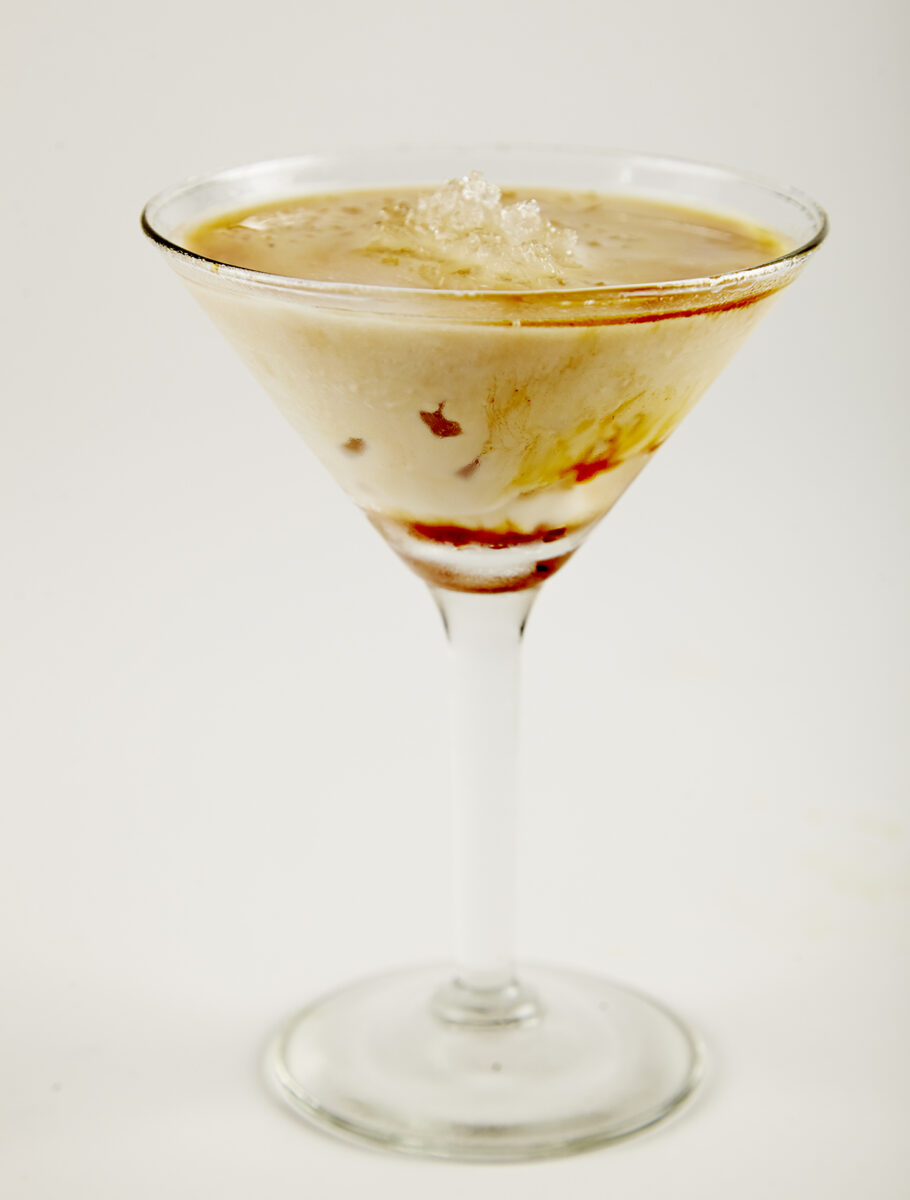
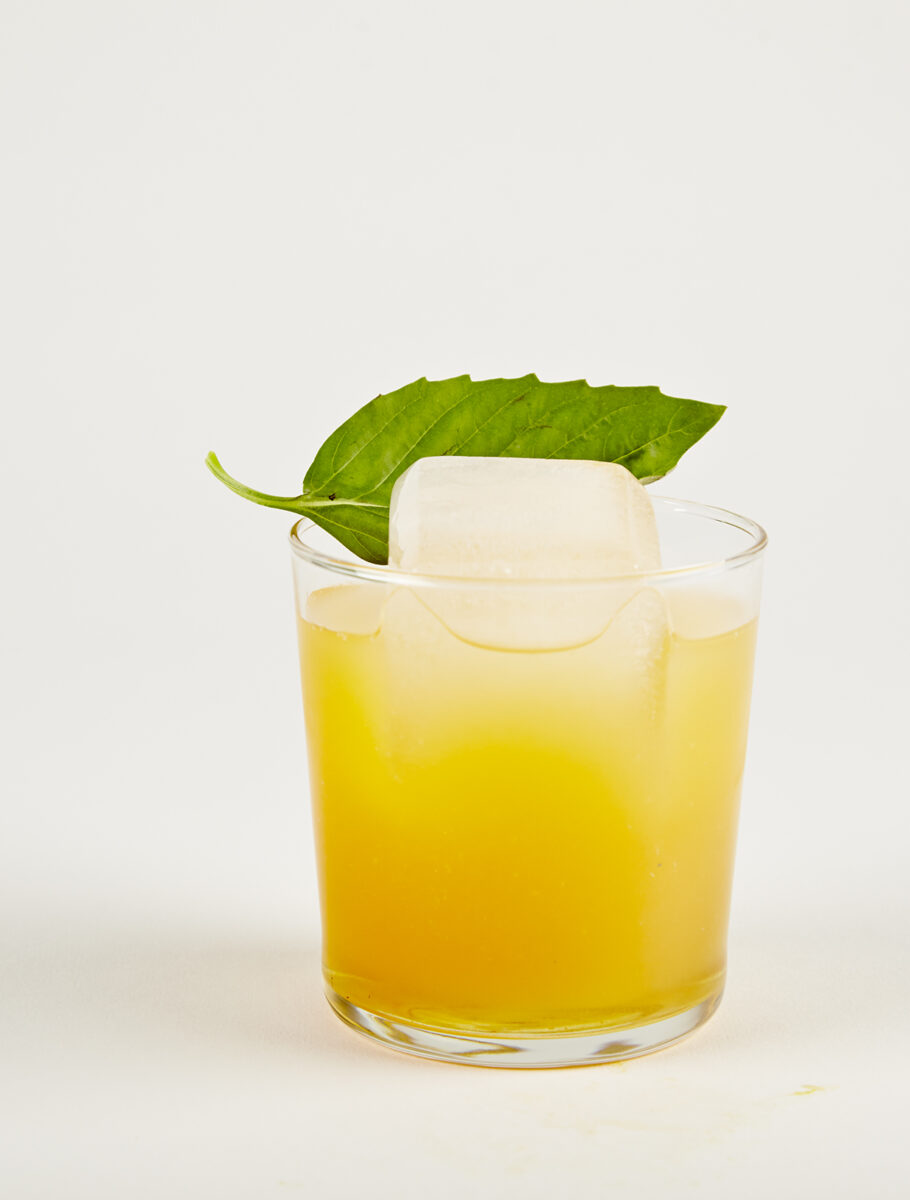
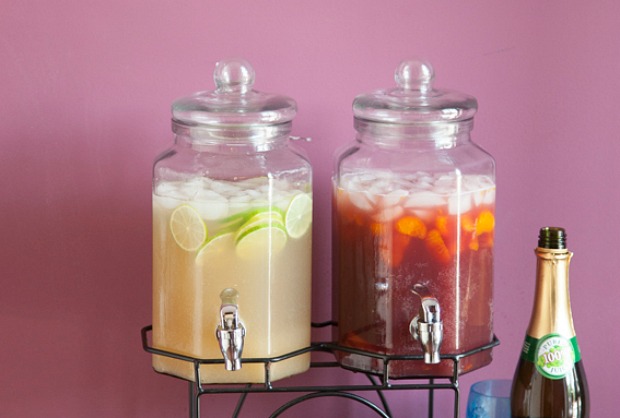
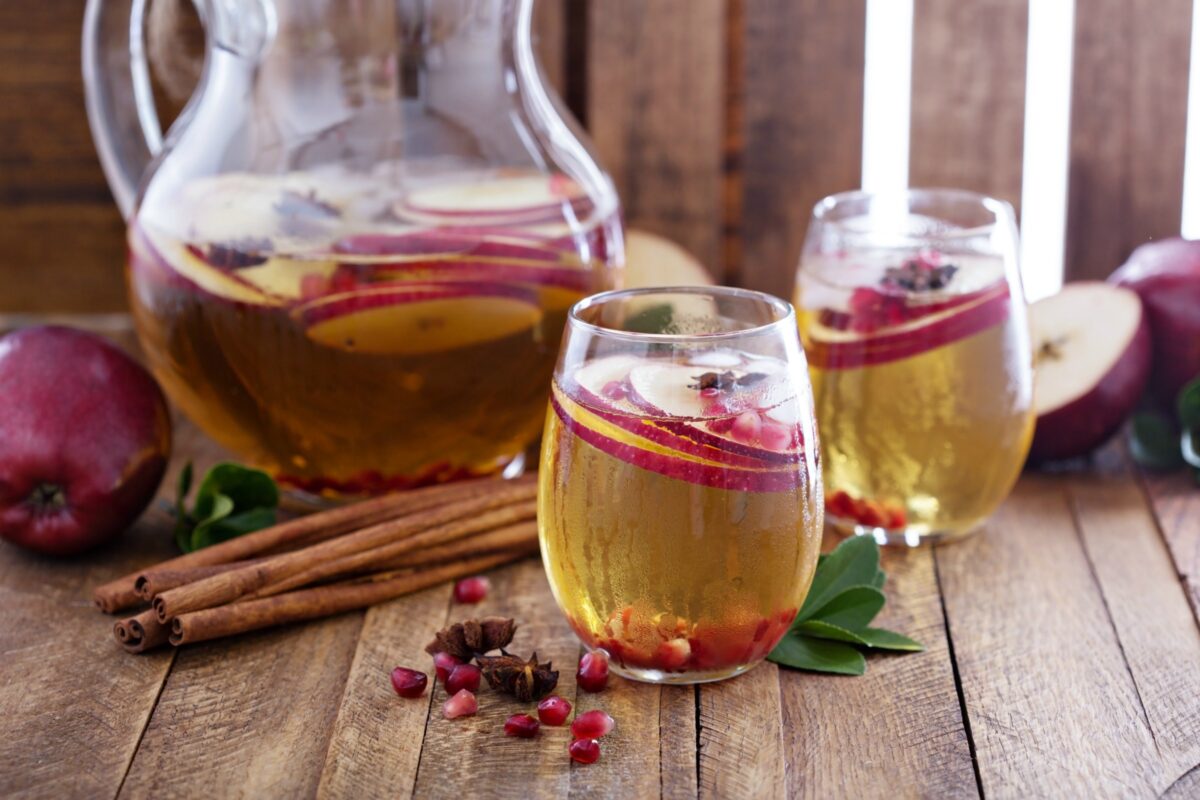
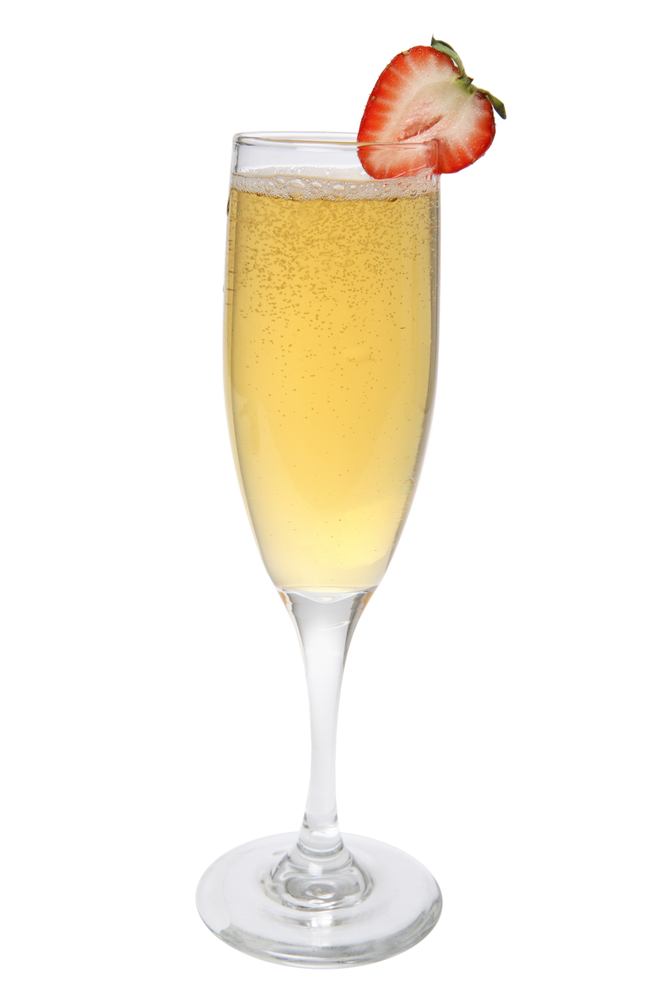
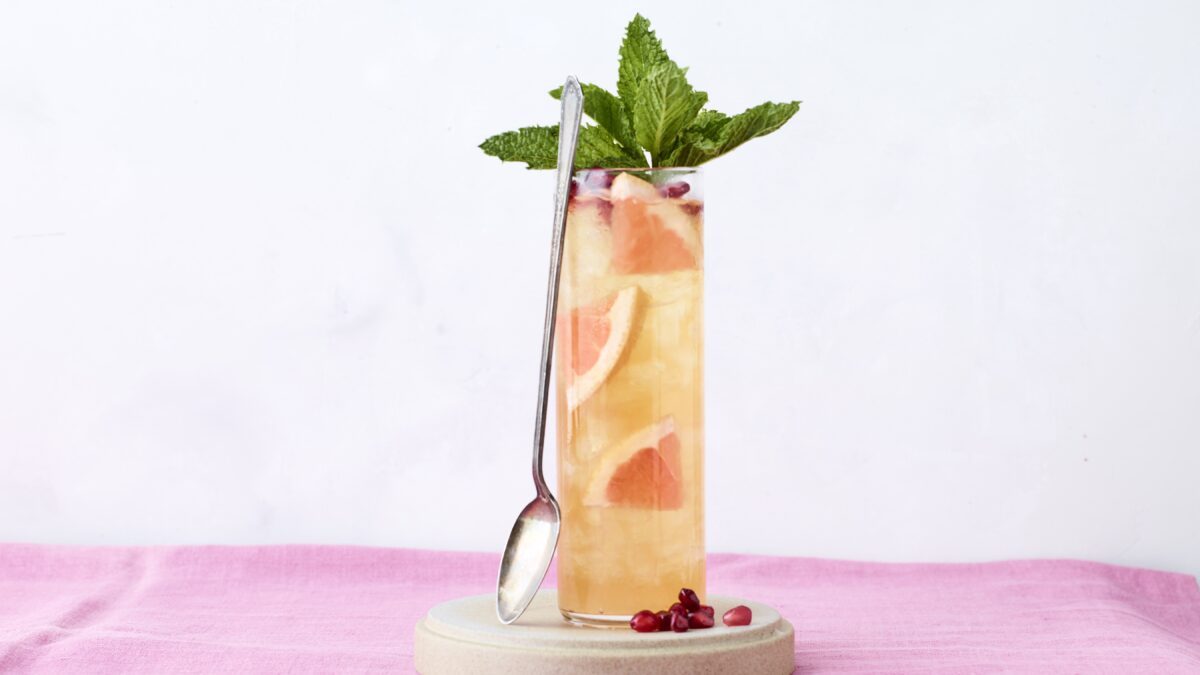
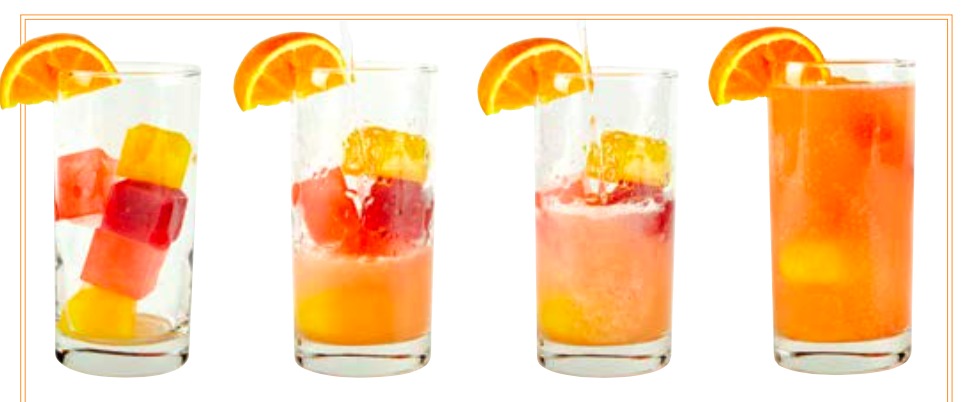
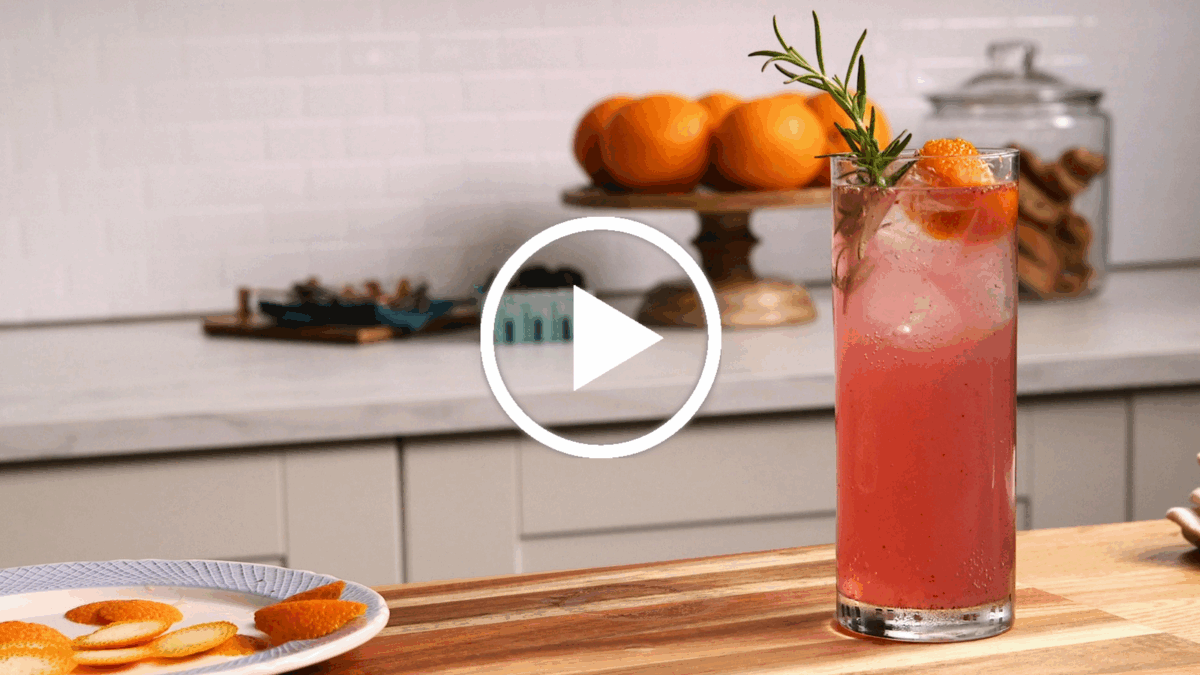
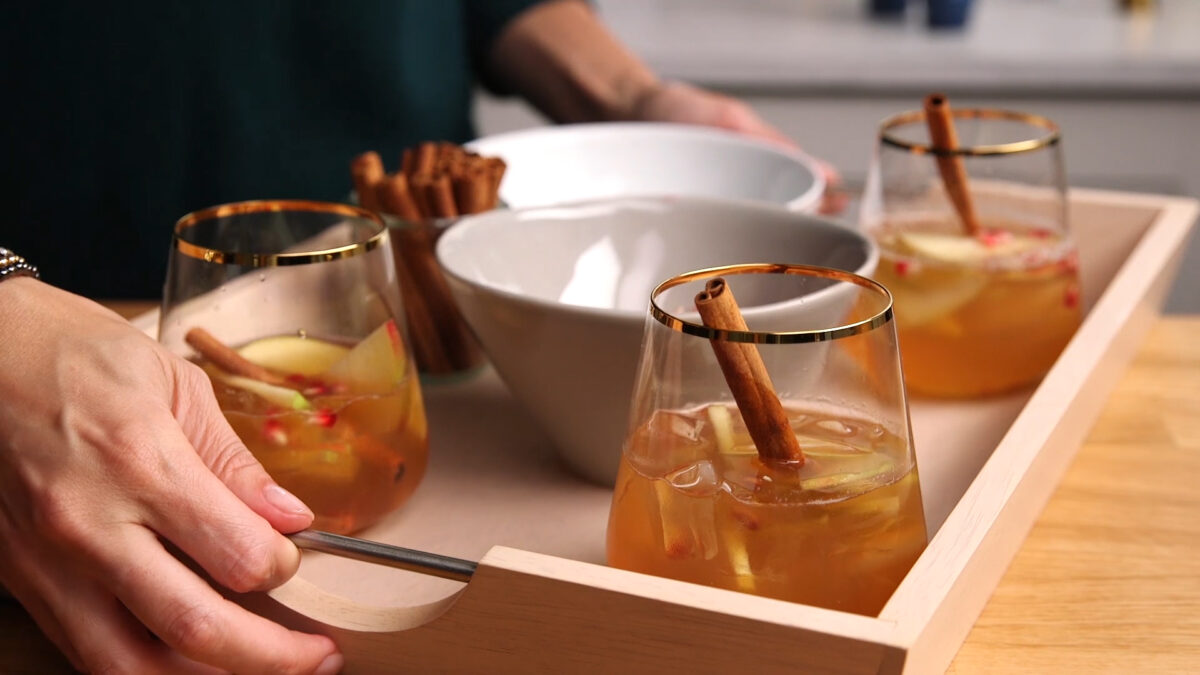
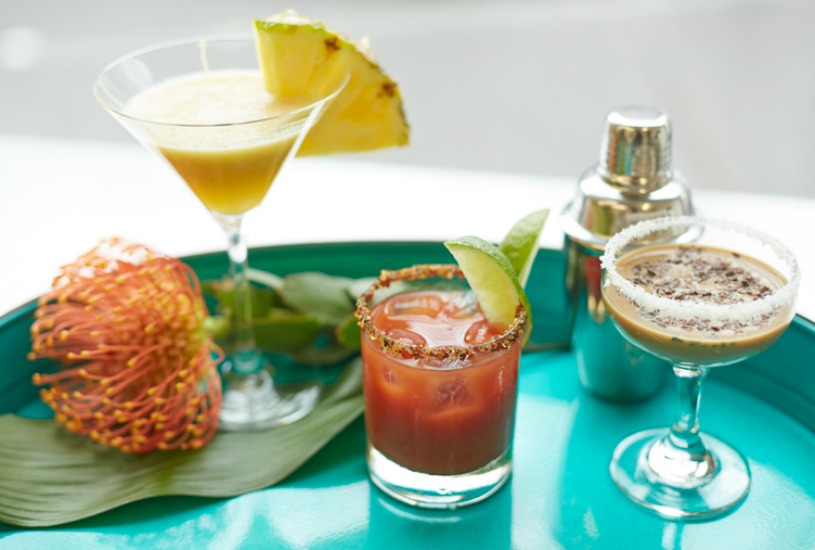
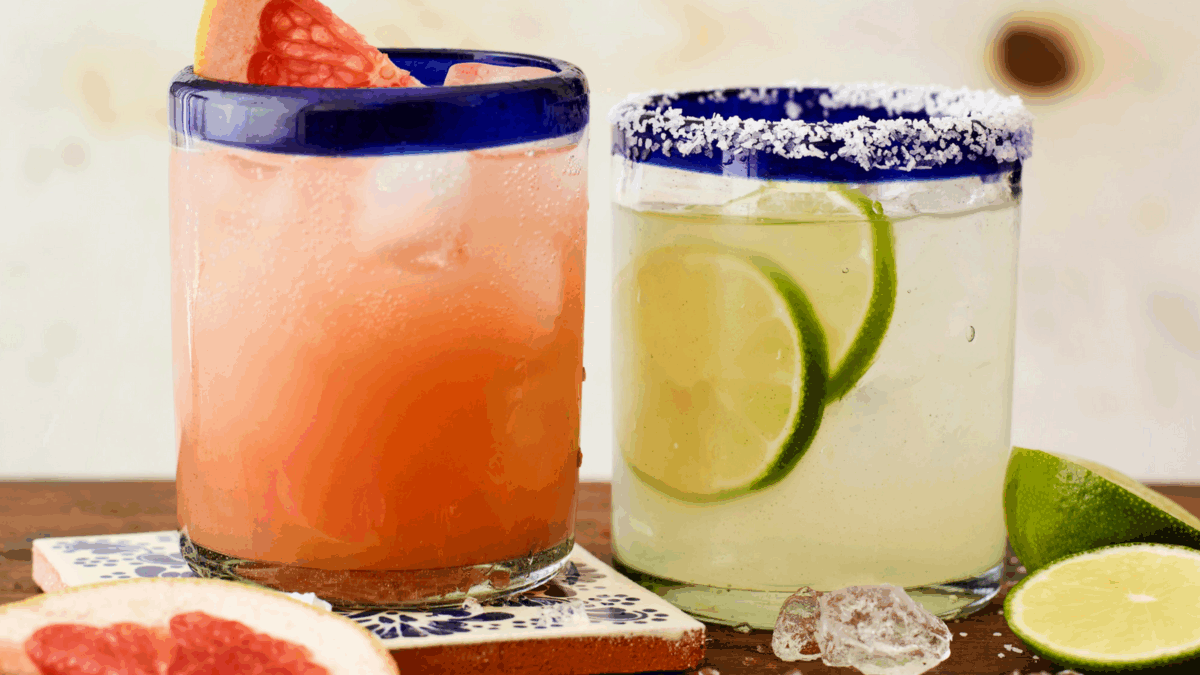
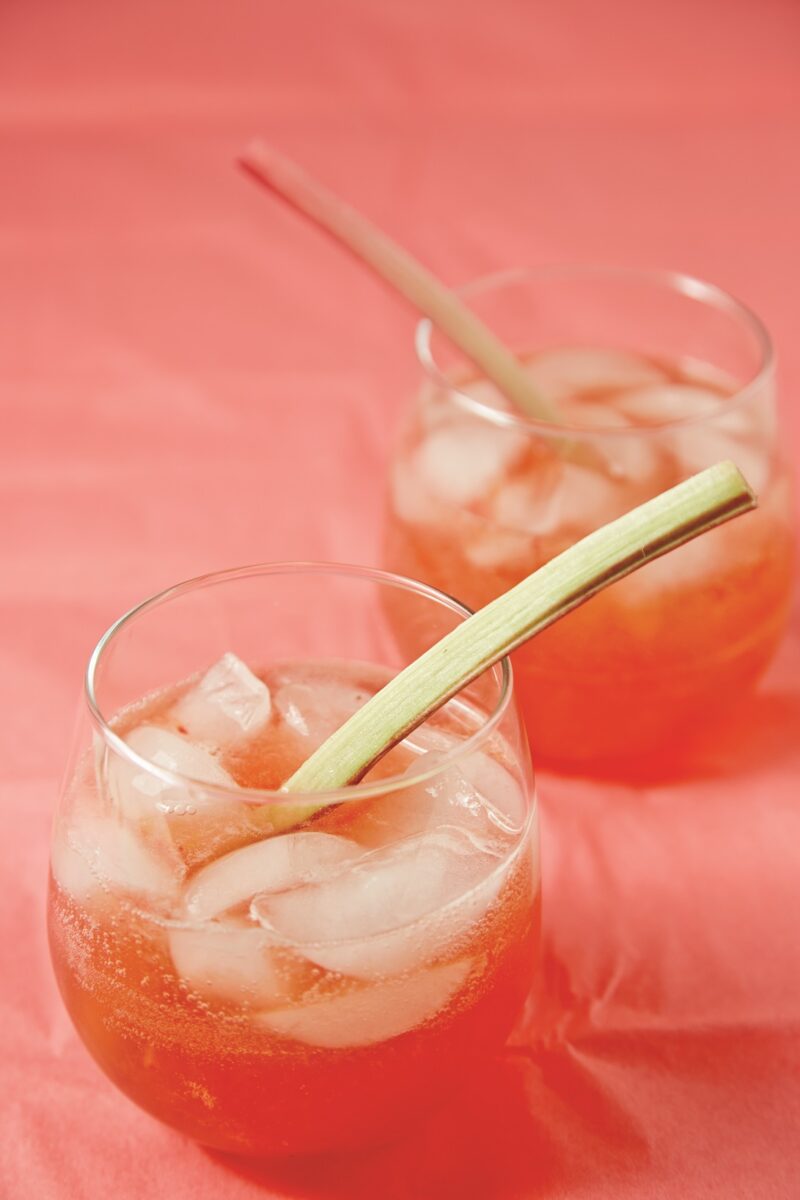
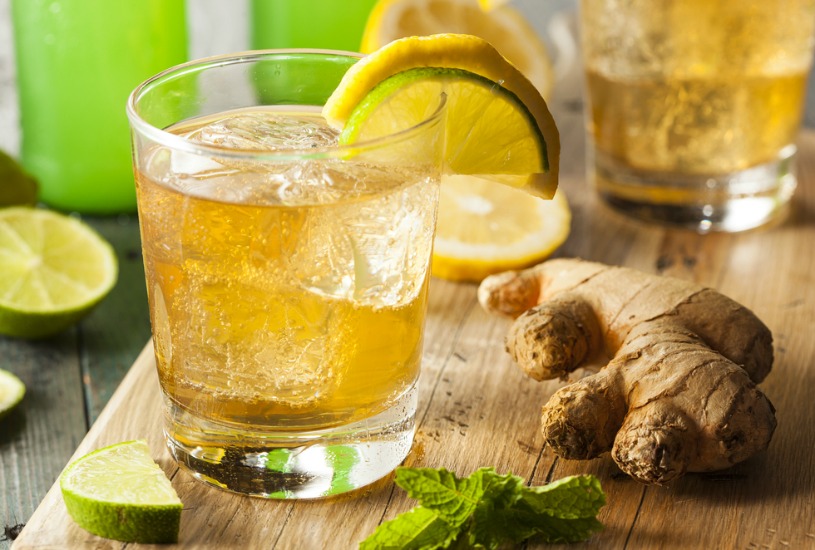
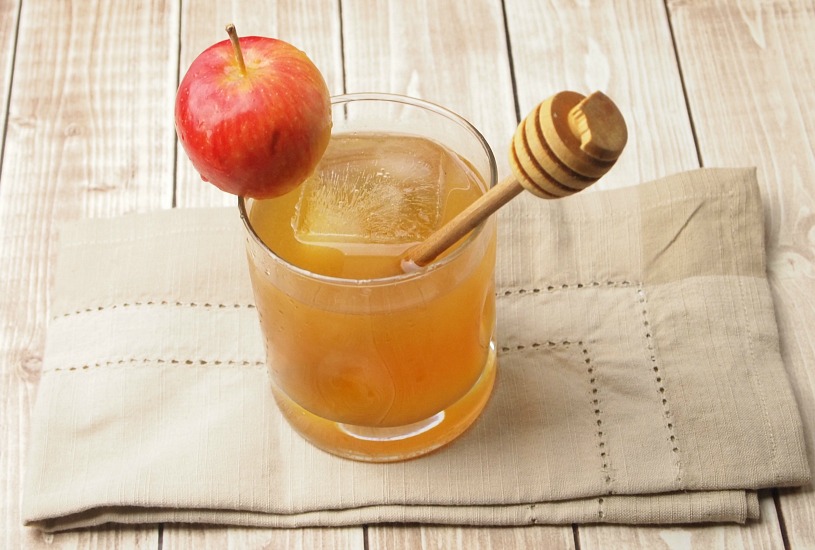
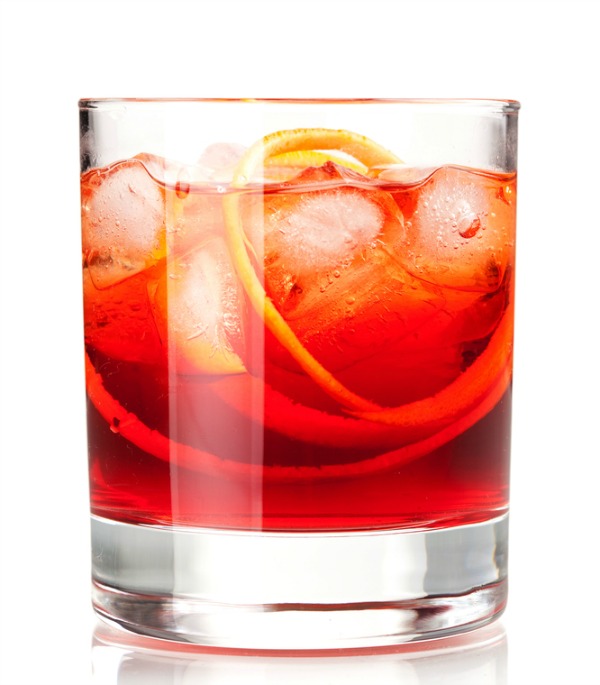
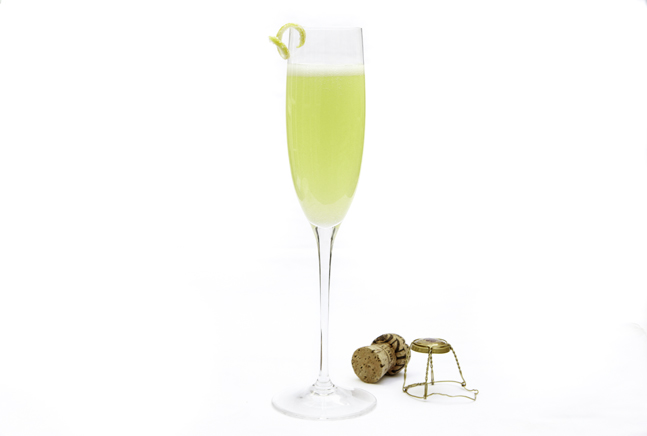
Here are some cocktail recipes we have created to help inspire you, but don’t let these hold you back from riffing on them and getting creative on your own.
Scroll to continue
More Love




I agree about simple syrup being easy to make, but it requires planning ahead since you need to let it cool. What a time-saver to have an OU product that has already been steeped with mint! Mint is seasonal so it’s not always available. Is it available in NY?
Great point Irma and she actually just told me that it is available at Seasons on the Upper West Side, hope you can go get some.
Our local liquor store just started carrying some of Koval’s products. My challenge is finding more obscure ingredients with a hechsher: bitters, Lillet (Kedem Sweet Vermouth is the closest approximation and it’s icky), etc. The London Beit Din lists many more liquors and liqueurs that are kosher without a hechsher — many imported items. The challenge is getting them stateside.
Separately, simple syrup is the simplest — and cheapest thing to make. Sugar and water. I often add ginger or mint or other flavors and let it steep. It’s also lovely in tea or coffee as it is pre-dissolved.
I recently had the chrysanthemum/honey liqueur and it was excellent. I want to try some of these other flavors!