


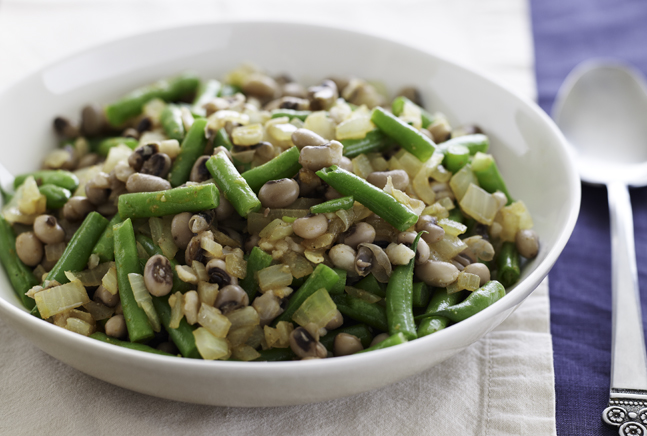
Black-eyed peas, despite their name, are not actually peas but legumes, belonging to the cowpea family. These small, beige-colored beans with a distinctive black spot (resembling an eye) have been cultivated for thousands of years, and they continue to play an important role in cuisines and cultures across the globe. While they have grown in popularity in Southern cooking and African cuisine, they are less known in mainstream diets. However, black-eyed peas are nutritious, delicious, versatile, and have a significant place in holiday meals such as Rosh Hashanah, the Jewish New Year.
Health Benefits of Black-Eyed Peas
Nutritionally, black-eyed peas are a powerhouse. They are high in fiber, protein, and essential nutrients, making them an excellent addition to a balanced diet. One cup of cooked black-eyed peas contains about 13 grams of protein, which makes them a good source of plant-based protein, particularly for vegetarians and vegans.
The high fiber content (around 11 grams per cup) promotes digestive health, helps regulate blood sugar levels, and can contribute to heart health by lowering cholesterol. Black-eyed peas are also rich in vitamins and minerals, including folate, iron, magnesium, potassium, and vitamin A. Folate is particularly important for pregnant women and for reducing the risk of birth defects.
Additionally, the beans are low in fat and have a low glycemic index, which means they do not cause significant spikes in blood sugar levels. This makes them an ideal food for those with diabetes or anyone trying to maintain stable energy levels throughout the day.
The Taste and Texture of Black-Eyed Peas
Black-eyed peas have a mild, earthy flavor with slightly nutty undertones. Their subtle taste makes them incredibly versatile in cooking, as they easily absorb the flavors of the seasonings and ingredients they are paired with. When cooked properly, their texture is soft but not mushy, offering a pleasant bite that complements a wide range of dishes.
Cooking with Black-Eyed Peas
Scroll to continue
More Love

Shoulder Roast with Garlic and Herbs
This kosher beef Shoulder Roast recipe can also be used for Delmonico Roast, French Roast …

Jamie Geller’s Shabbos Plan
Our entire week revolves around the holy Shabbos. It is the glue that holds the Jewish …
One of the best features of black-eyed peas is their versatility in the kitchen. They can be used in soups, stews, salads, or side dishes, and are delicious whether cooked alone or with other ingredients.
Before cooking dried black-eyed peas, it’s best to soak them in water for several hours or overnight. This reduces the cooking time and helps improve digestibility. Once soaked, they can be simmered in water or broth until tender, which takes about 45 minutes to an hour. Canned black-eyed peas are a convenient option and can be used without soaking or long cooking times.
Some of the simplest and most traditional ways to prepare black-eyed peas include simmering them with onions, garlic, and spices like cumin or smoked paprika. For a richer dish, cooking them with a smoked meat, like pastrami or smoked turkey, can add depth and flavor. They are also a popular ingredient in salads, pairing well with tomatoes, cucumbers, and tangy vinaigrettes.
Symbolism on Rosh Hashanah
Black-eyed peas are one of the symbolic foods, or simanim, eaten during the Jewish holiday of Rosh Hashanah. The simanim are consumed with the hope for a prosperous and blessed new year. In the Talmud, black-eyed peas are specifically mentioned as a food that brings good fortune and abundance.
During the holiday, black-eyed peas are often served in a dish with pomegranate seeds, another symbolic food representing fertility and abundance. The small, round shape of the peas also symbolizes the cyclical nature of life and renewal, making them a meaningful addition to the Rosh Hashanah table.
How to Serve Black-Eyed Peas for Rosh Hashanah
For Rosh Hashanah, black-eyed peas can be served as part of a stew with vegetables or grains, or as a cold salad with fresh herbs, citrus, and olive oil. Their humble yet significant place on the holiday table is a reminder of both gratitude and hope for the future. You can also prepare them as a hearty dish mixed with root vegetables, enhancing their symbolism of growth and abundance.
9 Delicious Recipes for Black-Eyed Peas
For those looking to experiment with black-eyed peas in the kitchen, here are ten exciting recipes to try:
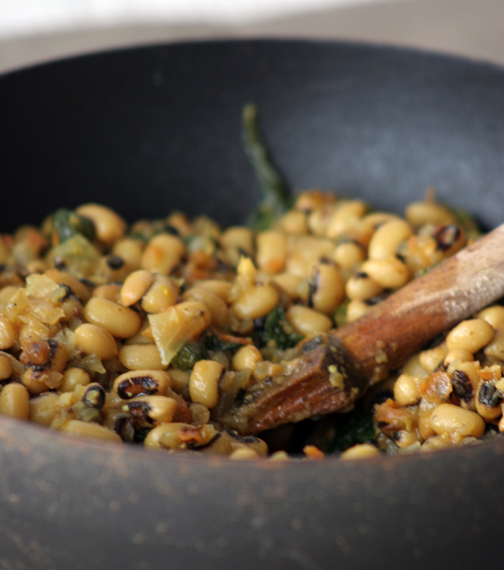

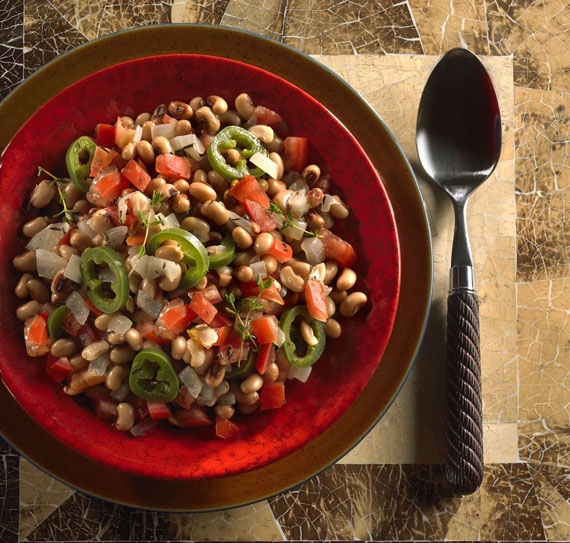

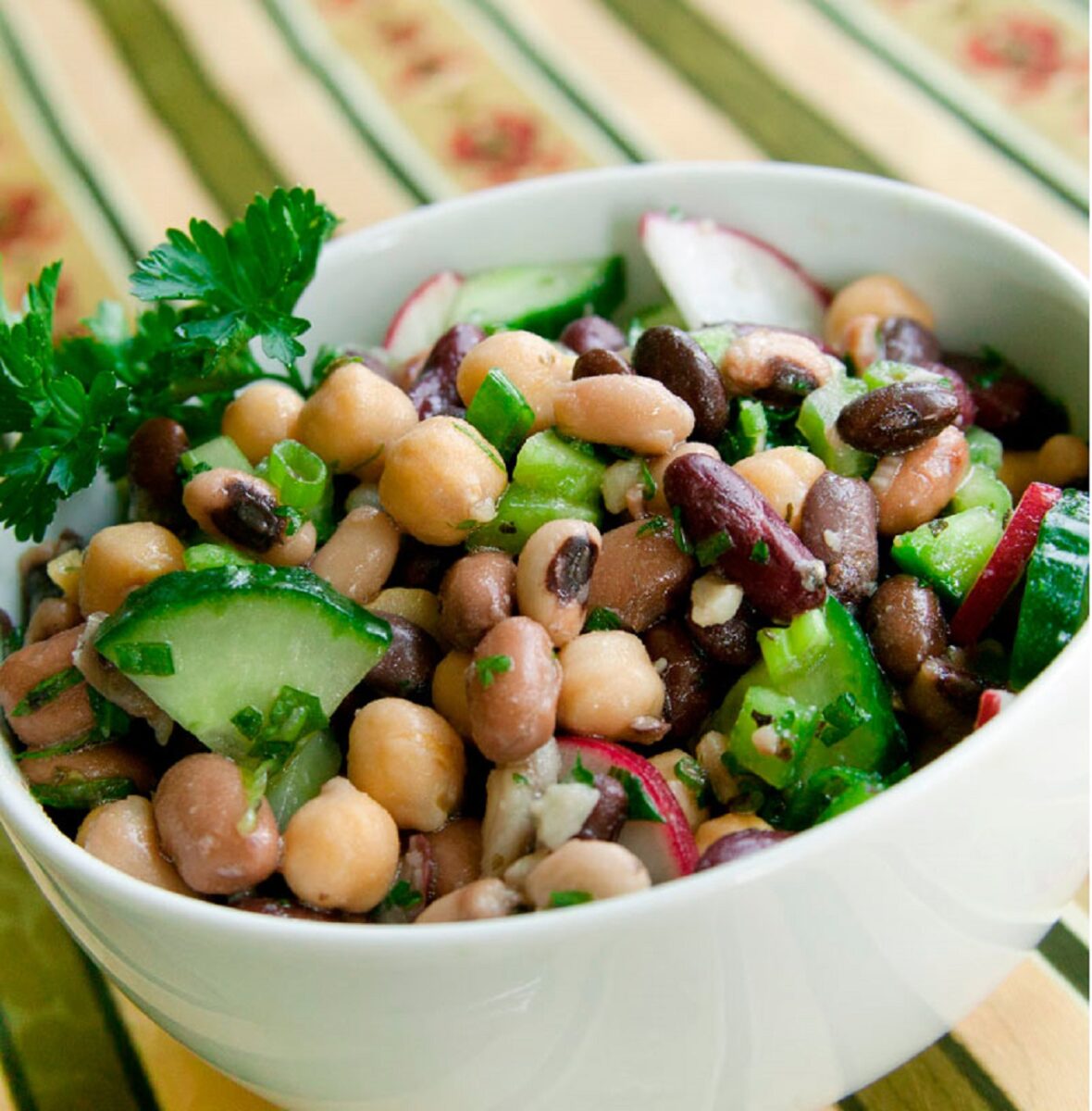


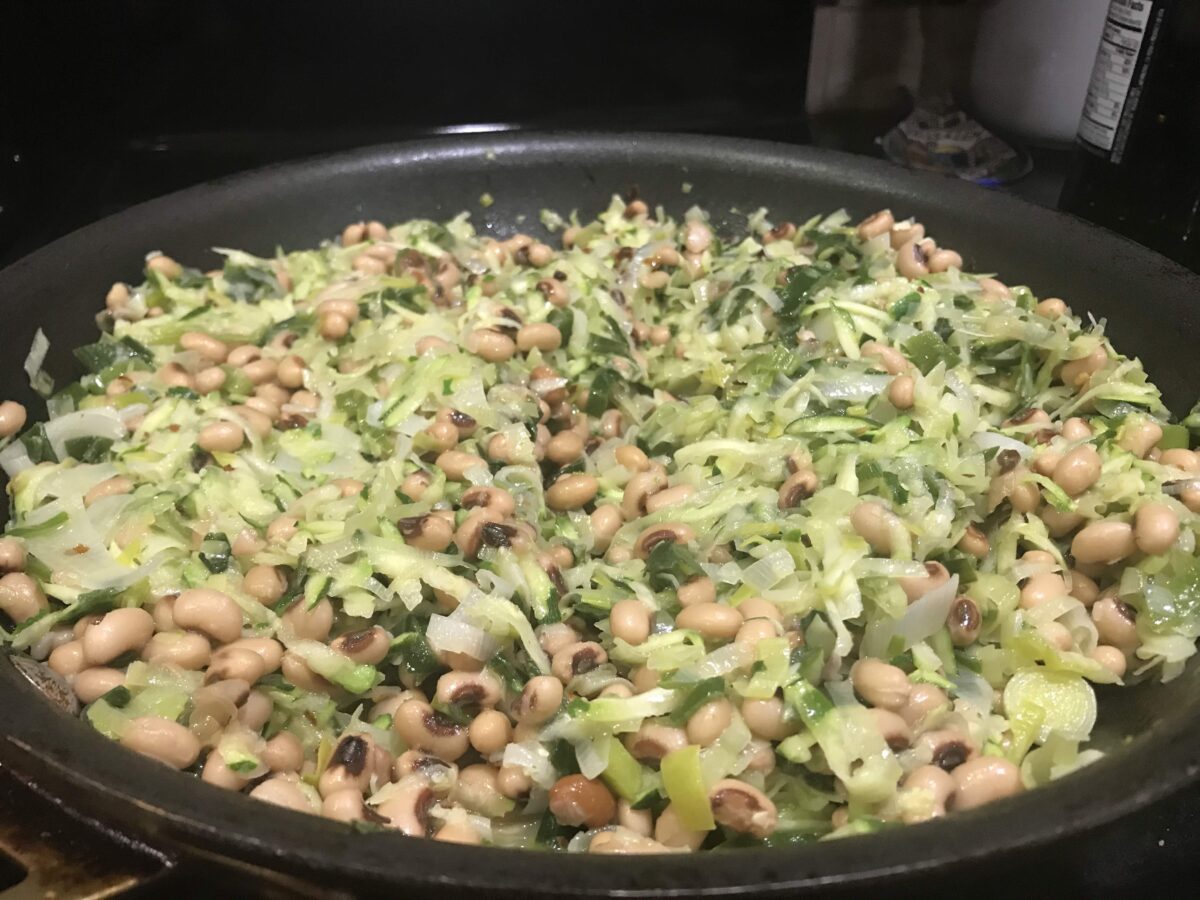
These recipes showcase the versatility of this legume, offering options that range from hearty stews to light, refreshing salads. Whether you’re cooking for a holiday or just looking to incorporate more plant-based proteins into your diet, black-eyed peas are a delicious, nutritious choice.
Black-eyed peas may not yet be a staple in every kitchen, but their health benefits, cultural significance, and culinary flexibility make them a legume worth exploring year-round.







Leave a Reply